Buy americanbartender.eu ?
We are moving the project
americanbartender.eu .
Are you interested in purchasing the domain
americanbartender.eu ?
domain@kv-gmbh.de · 0541-91531010
Buy americanbartender.eu ?
What are volatile acids?
Volatile acids are organic acids that can vaporize or evaporate at room temperature. They are typically found in fermented foods and beverages, as well as in the human body as byproducts of metabolism. Examples of volatile acids include acetic acid, lactic acid, and propionic acid. In the context of food and beverage production, volatile acids contribute to the flavor and aroma of the final product. **
Why is hydrogen so volatile?
Hydrogen is volatile because it is a highly flammable gas that can easily ignite in the presence of oxygen. It has a wide flammability range and low ignition energy, making it highly reactive. Additionally, hydrogen molecules are very small and light, allowing them to escape easily from containers and mix quickly with air, increasing the risk of combustion. These properties make hydrogen a potentially dangerous and volatile substance if not handled properly. **
Similar search terms for Volatile
Top-Angebote
Products related to Volatile:
-
HarperCollins Forager's Cocktails: Botanical Mixology With Fresh Ingredients By Samuel Glynn - Non Fiction - PaperbackTitle:. Forager’s Cocktails: Botanical Mixology With Fresh Ingredients Format: Paperback Overview:. Step into the world where wild herbs meet classic spirits with Forager’s Cocktails: Botanical Mixology With Fresh Ingredients, a masterclass in creating sophisticated drinks straight from your local landscape. Written by seasoned mixologist Samuel Glynn, this comprehensive guide bridges the gap between outdoor exploration and behind-the-bar artistry. Whether you are drawn to craft cocktails or simply enjoy experimenting with natural flavours in your evening glass, this book provides clear, step-by-step instructions for harvesting, preserving, and transforming garden-fresh and wild botanicals into memorable beverages. Each recipe is built around a seasonal framework, ensuring you always know which plants, flowers, fruits, and leaves are at their peak while delivering balanced, restaurant-quality results without relying on processed syrups or synthetic bitters. The volume does not simply offer a list of drink formulas; it teaches you how to listen to the changing seasons, understand flavour profiles, and build drinks that reflect your immediate environment. If you have ever wondered how to make elderflower cordial into a summer highball, turn freshly pickedrosemary into a smoky gin infusion, or preserve wild berries for winter sipping, this guide equips you with every technique required. It combines foundational mixology principles with practical environmental awareness, positioning itself as an essential reference table that evolves alongside your growing skills. What Makes This Book Stand Out:. What separates this title from standard cocktail manuals is its dedicated focus on botanical integrity and sustainable preparation methods. Glynn moves beyond conventional bar kits to show readers how to identify edible weeds, cultivate backyard garnishes, and extract authentic essence through dry distillation, cold infusion, and homemade shrub-making techniques. The instruction explicitly covers sourcing ethics, safe plant identification, and proper storage durations so every batch remains both vibrant and reliable. You will learn how to balance earthy green notes with bright citrus, sweet floral top notes, and deep resinous undertones using ingredients you might otherwise overlook during a woodland walk. The layout pairs each formula with precise measurement guidance and pairing suggestions for glassware and accompanying snacks, turning casual experimentation into repeatable mastery. Rather than prescribing expensive specialty products, the methodology encourages resourcefulness, reducing waste while elevating everyday spirit-forward classics through seasonal freshness. This deliberate emphasis on place-based mixology ensures that every finished glass tastes distinctly rooted in its origin, while the structured progressions guarantee consistent outcomes even for novice creators. Who This Book Is Perfect For:. This title serves home bartenders eager to move...9,99 £*Shipping: 2,99 £Secure redirect to the provider
-
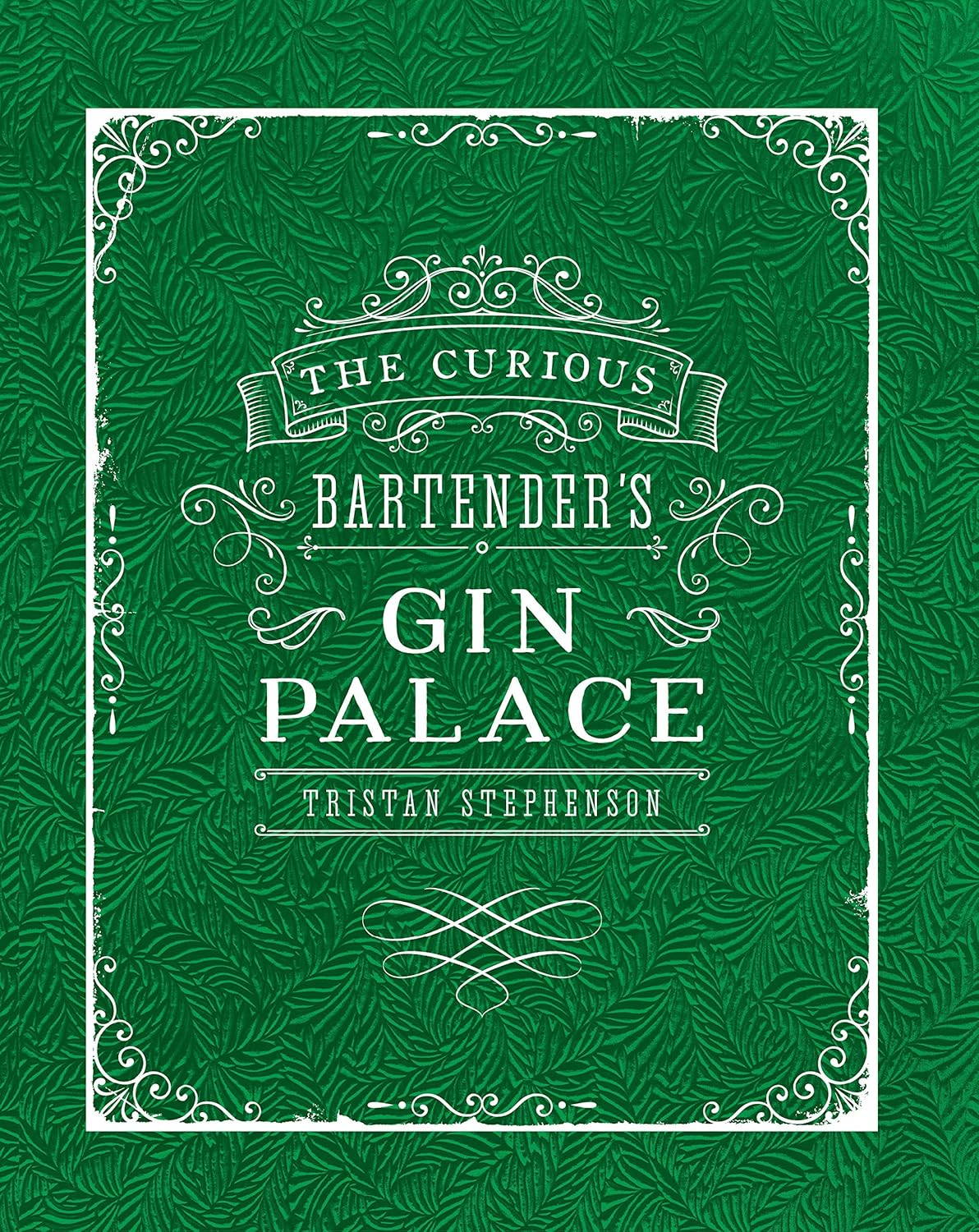
Ryland Peters & Small The Curious Bartender 4 Book Collection by Tristan Stephenson - Gin, Rum, Cocktails & Home Bartending - Hardback Set - Adult Non FictionThe Curious Bartender 4 Book Collection brings together four best-selling hardback titles from award-winning bartender and drinks writer Tristan Stephenson. This set covers gin, rum, home cocktail-making, and the story of the modern cocktail itself. The books pair deep spirits knowledge with genuinely usable technique, making them a rich resource for home bartenders, hospitality students, and anyone interested in the history and craft behind a well-made drink. The collection includes The Curious Bartender's Gin Palace, Rum Revolution, Cocktails At Home, and The Curious Bartender. It's a satisfying, gift-ready boxed collection for the cocktail enthusiast.38,99 £*Shipping: 0,00 £Secure redirect to the provider


-
Is water a volatile substance?
Yes, water is a volatile substance. Volatility refers to a substance's ability to evaporate or vaporize at a relatively low temperature. Water has a relatively high volatility compared to many other substances, as it can evaporate at room temperature. This is why water can easily turn into vapor and enter the atmosphere as part of the water cycle. **
-
Is helium a volatile substance?
Yes, helium is considered a volatile substance. Volatility refers to a substance's tendency to vaporize or evaporate at normal temperatures. Helium has a very low boiling point of -268.9°C (-452°F), which means it can easily transition from a liquid to a gas at normal temperatures, making it a volatile substance. **
-
What are volatile organic compounds (VOCs)?
Volatile organic compounds (VOCs) are a group of organic chemicals that easily evaporate into the air at room temperature. They are emitted from a variety of sources, including household products, building materials, and industrial processes. VOCs can have short- and long-term health effects, and they also contribute to air pollution and the formation of ground-level ozone. Common VOCs include formaldehyde, benzene, and toluene. Efforts to reduce VOC emissions include using low-VOC products and improving ventilation in indoor spaces. **
-
Is carbon dioxide a volatile substance?
Yes, carbon dioxide is a volatile substance. Volatility refers to a substance's tendency to evaporate or vaporize at normal temperatures. Carbon dioxide can exist as a gas at room temperature and pressure, and it readily transitions between its solid, liquid, and gaseous states. This volatility is why carbon dioxide is a key component in processes such as carbonation in beverages and dry ice sublimation. **


Why do volatile substances have low boiling points and non-volatile substances have very high boiling points?
Volatile substances have low boiling points because they have weak intermolecular forces of attraction between their molecules. This means that less energy is required to overcome these forces and transition from a liquid to a gas state. On the other hand, non-volatile substances have very high boiling points because they have strong intermolecular forces of attraction, requiring a significant amount of energy to break these bonds and transition from a liquid to a gas state. **
Is mercury a metal or a volatile substance?
Mercury is a metal. It is a heavy, silvery-white liquid metal at room temperature and is the only metal that is liquid at standard conditions for temperature and pressure. Mercury is known for its high density and is commonly used in thermometers, barometers, and other scientific instruments. **
Top-Angebote
Products related to Volatile:
-
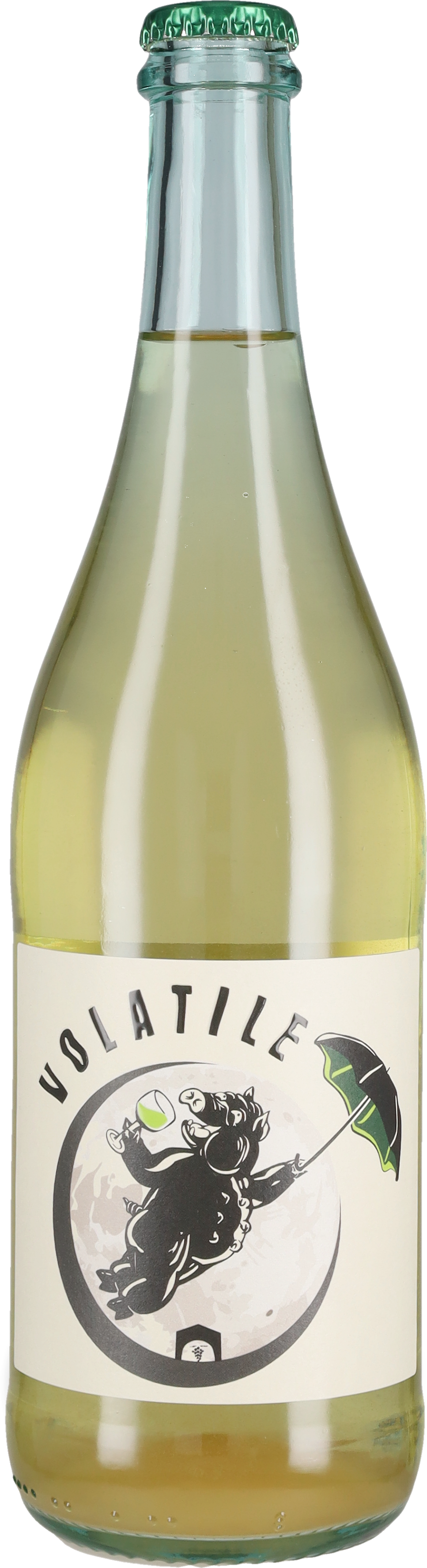
Rifermentato in bottiglia 'Volatile' Tenuta San MarcelloThe label of the "Volatile" from Tenuta San Marcello is almost a play on words: it can describe the sparkling wine so delicious and immediate that it can be consumed in an instant or joke winking at certain productions that leave in the bottle aromas that are a bit too pungent and of which there is actually no trace here. “Volatile” from Tenuta San Marcello is made by vinifying with the ancestral method the most typical local white grape variety, grown without any use of synthetic chemical products and with an eye to the principles of biodynamic agriculture. The winery is located in the inland of Senigallia, at an altitude of about 290 meters on the slopes overlooking the Adriatic Sea, characterized by fundamentally clayey soils with widespread limestone presence: these are the emerged lands formed in geological epochs from marine sedimentation. The harvest is done by hand and the grapes are transported to the winery in small boxes, to be destemmed. The soft pressing allows for delicately extracting the aromas and the must ferments in stainless steel tanks spontaneously thanks to the work of indigenous yeasts: once the optimal residual sugar is reached, the wine is bottled, completing the alcoholic fermentation sealed with a crown cap and developing the characteristic effervescence. The use of sulfur dioxide is minimized, while no manipulations such as filtration, clarification, or stabilization are performed. “Volatile” made by Tenuta San Marcello presents a bright straw yellow color, with golden reflections and a rich and persistent foam. The nose is characterized by typical and immediate aromas, such as the reference to grape must and brewer's yeast, which blend with bakery fragrances and notes of white-fleshed fruit and wildflowers. The sip is an announced explosion of joy and shows great smoothness and drinkability: the biting freshness is the key element of the tasting, well integrated with the enveloping and slightly rough character of the suspended yeasts, while the citrus and fruity hints leave the palate with a tonifying sensation. The finish is a subtle reference to the minerality of the varietal. A sincere ancestral method made to be drunk, whenever one is thirsty: rather than pairing with a specific dish, it pairs very well with activities in the kitchen!14,00 £*Shipping: 48,00 £Secure redirect to the provider
-
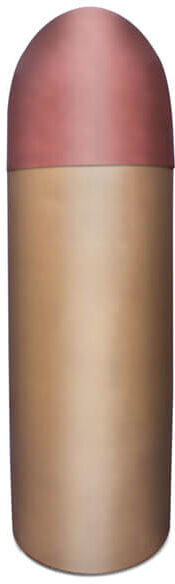
Mixology Bullet Cocktail ShakerFire up your party with this impressive Mixology Bullet Cocktail Shaker. This mighty cocktail shaker has a brass plated body with a copper plated tip, a generous 700ml capacity and a built in strainer. Approximate Mixology bullet cocktail shaker dimensions: H27cm x DIA7.5cm. Hand wash only. Supplied in a smart gift box.22,49 £*Shipping: 3,50 £Secure redirect to the provider
-
What are volatile acids?
Volatile acids are organic acids that can vaporize or evaporate at room temperature. They are typically found in fermented foods and beverages, as well as in the human body as byproducts of metabolism. Examples of volatile acids include acetic acid, lactic acid, and propionic acid. In the context of food and beverage production, volatile acids contribute to the flavor and aroma of the final product. **
-
Why is hydrogen so volatile?
Hydrogen is volatile because it is a highly flammable gas that can easily ignite in the presence of oxygen. It has a wide flammability range and low ignition energy, making it highly reactive. Additionally, hydrogen molecules are very small and light, allowing them to escape easily from containers and mix quickly with air, increasing the risk of combustion. These properties make hydrogen a potentially dangerous and volatile substance if not handled properly. **
-
Is water a volatile substance?
Yes, water is a volatile substance. Volatility refers to a substance's ability to evaporate or vaporize at a relatively low temperature. Water has a relatively high volatility compared to many other substances, as it can evaporate at room temperature. This is why water can easily turn into vapor and enter the atmosphere as part of the water cycle. **
-
Is helium a volatile substance?
Yes, helium is considered a volatile substance. Volatility refers to a substance's tendency to vaporize or evaporate at normal temperatures. Helium has a very low boiling point of -268.9°C (-452°F), which means it can easily transition from a liquid to a gas at normal temperatures, making it a volatile substance. **
Similar search terms for Volatile
-
HarperCollins Forager's Cocktails: Botanical Mixology With Fresh Ingredients By Samuel Glynn - Non Fiction - PaperbackTitle:. Forager’s Cocktails: Botanical Mixology With Fresh Ingredients Format: Paperback Overview:. Step into the world where wild herbs meet classic spirits with Forager’s Cocktails: Botanical Mixology With Fresh Ingredients, a masterclass in creating sophisticated drinks straight from your local landscape. Written by seasoned mixologist Samuel Glynn, this comprehensive guide bridges the gap between outdoor exploration and behind-the-bar artistry. Whether you are drawn to craft cocktails or simply enjoy experimenting with natural flavours in your evening glass, this book provides clear, step-by-step instructions for harvesting, preserving, and transforming garden-fresh and wild botanicals into memorable beverages. Each recipe is built around a seasonal framework, ensuring you always know which plants, flowers, fruits, and leaves are at their peak while delivering balanced, restaurant-quality results without relying on processed syrups or synthetic bitters. The volume does not simply offer a list of drink formulas; it teaches you how to listen to the changing seasons, understand flavour profiles, and build drinks that reflect your immediate environment. If you have ever wondered how to make elderflower cordial into a summer highball, turn freshly pickedrosemary into a smoky gin infusion, or preserve wild berries for winter sipping, this guide equips you with every technique required. It combines foundational mixology principles with practical environmental awareness, positioning itself as an essential reference table that evolves alongside your growing skills. What Makes This Book Stand Out:. What separates this title from standard cocktail manuals is its dedicated focus on botanical integrity and sustainable preparation methods. Glynn moves beyond conventional bar kits to show readers how to identify edible weeds, cultivate backyard garnishes, and extract authentic essence through dry distillation, cold infusion, and homemade shrub-making techniques. The instruction explicitly covers sourcing ethics, safe plant identification, and proper storage durations so every batch remains both vibrant and reliable. You will learn how to balance earthy green notes with bright citrus, sweet floral top notes, and deep resinous undertones using ingredients you might otherwise overlook during a woodland walk. The layout pairs each formula with precise measurement guidance and pairing suggestions for glassware and accompanying snacks, turning casual experimentation into repeatable mastery. Rather than prescribing expensive specialty products, the methodology encourages resourcefulness, reducing waste while elevating everyday spirit-forward classics through seasonal freshness. This deliberate emphasis on place-based mixology ensures that every finished glass tastes distinctly rooted in its origin, while the structured progressions guarantee consistent outcomes even for novice creators. Who This Book Is Perfect For:. This title serves home bartenders eager to move...9,99 £*Shipping: 2,99 £Secure redirect to the provider
-
Ryland Peters & Small The Curious Bartender 4 Book Collection by Tristan Stephenson - Gin, Rum, Cocktails & Home Bartending - Hardback Set - Adult Non FictionThe Curious Bartender 4 Book Collection brings together four best-selling hardback titles from award-winning bartender and drinks writer Tristan Stephenson. This set covers gin, rum, home cocktail-making, and the story of the modern cocktail itself. The books pair deep spirits knowledge with genuinely usable technique, making them a rich resource for home bartenders, hospitality students, and anyone interested in the history and craft behind a well-made drink. The collection includes The Curious Bartender's Gin Palace, Rum Revolution, Cocktails At Home, and The Curious Bartender. It's a satisfying, gift-ready boxed collection for the cocktail enthusiast.38,99 £*Shipping: 0,00 £Secure redirect to the provider
-
Touch of Mixology 14-Piece Gold Bartender Kit with Cocktail Shaker and Bamboo StandOrganize essential cocktail tools in one countertop display with this 14-piece gold bartender kit. The set combines stainless steel bar tools with a fitted bamboo stand, keeping the assortment visible and easy to reach on a bar cart or kitchen counter.49,91 $*Shipping: 0,00 $Secure redirect to the provider
-
The Art & Craft of Coffee Cocktails by Jason Clark - Non Fiction - HardbackTitle:. The Art & Craft of Coffee Cocktails Condition: BRAND NEW. Format: Hardcover Overview:. Embark on a sensory journey that starts at the root of your favorite drink—the coffee bean—and travels toward the artful cocktails it inspires. The Art & Craft of Coffee Cocktails blends history, technique, and tasting notes to illuminate how coffee transforms from crop to cup into bold, nuanced drinks. Inside, you’ll find practical mixing guidance crafted for everyone from curious beginners to seasoned bartenders in standout bars worldwide. The book guides you through more than 80 recipes that cover a full spectrum of styles—from stirred and shaken classics to blended and “blazed” innovations. You’ll learn to perfect timeless crowd-pleasers like Espresso Martini and Irish Coffee, while also exploring contemporary feats such as Golden Velvet and Death By Caffeine. With clear, accessible instructions and pro-level insights, this hardcover edition positions coffee cocktails not merely as beverages but as a daily ritual—an invitation to elevate both home bars and professional menus. If you’ve ever wanted to understand how coffee flavors mingle with spirits, syrups, and techniques, this book unlocks that craft and makes every pour feel intentional and inspiring. What Makes This Book Stand Out:. This book stands out by marrying deep coffee knowledge with practical cocktail mastery. It begins with a compelling crop-to-cup narrative that demystifies coffee’s flavours, origins, and grinding profiles, then translates that understanding into a toolkit for mixology. The author’s guidance speaks to a spectrum of readers: aspiring home bartenders seeking confidence, and professionals looking for precise technique and new ideas to refresh menus. The collection of recipes spans traditional and modern approaches, offering step-by-step methods for balancing acidity, intensity, and texture. Highlights like the Espresso Martini and Irish Coffee sit beside more technical feats such as Golden Velvet and Death By Caffeine, showcasing how coffee can anchor both comforting staples and showpiece drinks. The result is a practical, reference-worthy guide that invites ongoing experimentation while delivering reliable, repeatable results in real-world settings. Who This Book Is Perfect For:. This book is ideal for coffee lovers who crave more than a caffeine fix, and for cocktail enthusiasts eager to explore coffee-forward drinks. It suits home bartenders looking to expand their repertoire, bar professionals seeking fresh ideas for menus, and gift buyers hunting for a premium, unique present for coffee geeks and cocktail fans alike. It's also a strong choice for aspiring sommeliers and hospitality students wanting a tactile, recipe-driven resource that connects coffee craft with the art of mixology. Whether you’re entertaining at home, stocking a café bar, or curating a sophisticated drinks program, this hardcover guide provides both inspiration and practical know-how in a single,...9,27 £*Shipping: 2,99 £Secure redirect to the provider
-
What are volatile organic compounds (VOCs)?
Volatile organic compounds (VOCs) are a group of organic chemicals that easily evaporate into the air at room temperature. They are emitted from a variety of sources, including household products, building materials, and industrial processes. VOCs can have short- and long-term health effects, and they also contribute to air pollution and the formation of ground-level ozone. Common VOCs include formaldehyde, benzene, and toluene. Efforts to reduce VOC emissions include using low-VOC products and improving ventilation in indoor spaces. **
-
Is carbon dioxide a volatile substance?
Yes, carbon dioxide is a volatile substance. Volatility refers to a substance's tendency to evaporate or vaporize at normal temperatures. Carbon dioxide can exist as a gas at room temperature and pressure, and it readily transitions between its solid, liquid, and gaseous states. This volatility is why carbon dioxide is a key component in processes such as carbonation in beverages and dry ice sublimation. **
-
Why do volatile substances have low boiling points and non-volatile substances have very high boiling points?
Volatile substances have low boiling points because they have weak intermolecular forces of attraction between their molecules. This means that less energy is required to overcome these forces and transition from a liquid to a gas state. On the other hand, non-volatile substances have very high boiling points because they have strong intermolecular forces of attraction, requiring a significant amount of energy to break these bonds and transition from a liquid to a gas state. **
-
Is mercury a metal or a volatile substance?
Mercury is a metal. It is a heavy, silvery-white liquid metal at room temperature and is the only metal that is liquid at standard conditions for temperature and pressure. Mercury is known for its high density and is commonly used in thermometers, barometers, and other scientific instruments. **
* All prices are inclusive of VAT and, if applicable, plus shipping costs. The offer information is based on the details provided by the respective shop and is updated through automated processes. Real-time updates do not occur, so deviations can occur in individual cases. ** Note: Parts of this content were created by AI.