Buy americanbartender.eu ?
We are moving the project
americanbartender.eu .
Are you interested in purchasing the domain
americanbartender.eu ?
domain@kv-gmbh.de · 0541-91531010
Buy americanbartender.eu ?
Do you need a shaker for cocktails?
While a shaker is not absolutely necessary for making cocktails, it is highly recommended for certain drinks that require thorough mixing or chilling. A shaker helps to combine ingredients effectively, chill the drink quickly, and create a nice frothy texture in some cocktails. However, if you don't have a shaker, you can use a mason jar or a mixing glass with a bar spoon as an alternative method. Ultimately, having a shaker can enhance your cocktail-making experience and help you achieve better results. **
Which cocktails can be prepared without a shaker?
Many cocktails can be prepared without a shaker, including simple mixed drinks like a rum and coke, gin and tonic, or vodka cranberry. These drinks can be made by simply pouring the ingredients directly into a glass and giving them a quick stir with a spoon. Other cocktails that can be made without a shaker include the classic Old Fashioned, which is made by muddling sugar and bitters in a glass, adding whiskey, and stirring with ice. Additionally, drinks like the Moscow Mule or Dark and Stormy can be made by combining the ingredients in a glass and giving them a gentle stir. **

Similar search terms for Temperature
Top-Angebote
Products related to Temperature:
-
Inspired Finds DIYWORK Adjustable Temperature Hot Melt Glue Gun 110W 0.43in Craft Repair Tool DIYWORK Adjustable Temperature Hot Melt Glue Gun 110W 0.43in Craft Repair ToolBring more control to every repair and craft project with a hot glue gun built for steady, reliable performance. This adjustable temperature hot melt glue gun is designed for DIY users, crafters, and home repair tasks that need stronger, more...71,99 $*Shipping: 0,00 $Secure redirect to the provider
-
HarperCollins Forager's Cocktails: Botanical Mixology With Fresh Ingredients By Samuel Glynn - Non Fiction - PaperbackTitle:. Forager’s Cocktails: Botanical Mixology With Fresh Ingredients Format: Paperback Overview:. Step into the world where wild herbs meet classic spirits with Forager’s Cocktails: Botanical Mixology With Fresh Ingredients, a masterclass in creating sophisticated drinks straight from your local landscape. Written by seasoned mixologist Samuel Glynn, this comprehensive guide bridges the gap between outdoor exploration and behind-the-bar artistry. Whether you are drawn to craft cocktails or simply enjoy experimenting with natural flavours in your evening glass, this book provides clear, step-by-step instructions for harvesting, preserving, and transforming garden-fresh and wild botanicals into memorable beverages. Each recipe is built around a seasonal framework, ensuring you always know which plants, flowers, fruits, and leaves are at their peak while delivering balanced, restaurant-quality results without relying on processed syrups or synthetic bitters. The volume does not simply offer a list of drink formulas; it teaches you how to listen to the changing seasons, understand flavour profiles, and build drinks that reflect your immediate environment. If you have ever wondered how to make elderflower cordial into a summer highball, turn freshly pickedrosemary into a smoky gin infusion, or preserve wild berries for winter sipping, this guide equips you with every technique required. It combines foundational mixology principles with practical environmental awareness, positioning itself as an essential reference table that evolves alongside your growing skills. What Makes This Book Stand Out:. What separates this title from standard cocktail manuals is its dedicated focus on botanical integrity and sustainable preparation methods. Glynn moves beyond conventional bar kits to show readers how to identify edible weeds, cultivate backyard garnishes, and extract authentic essence through dry distillation, cold infusion, and homemade shrub-making techniques. The instruction explicitly covers sourcing ethics, safe plant identification, and proper storage durations so every batch remains both vibrant and reliable. You will learn how to balance earthy green notes with bright citrus, sweet floral top notes, and deep resinous undertones using ingredients you might otherwise overlook during a woodland walk. The layout pairs each formula with precise measurement guidance and pairing suggestions for glassware and accompanying snacks, turning casual experimentation into repeatable mastery. Rather than prescribing expensive specialty products, the methodology encourages resourcefulness, reducing waste while elevating everyday spirit-forward classics through seasonal freshness. This deliberate emphasis on place-based mixology ensures that every finished glass tastes distinctly rooted in its origin, while the structured progressions guarantee consistent outcomes even for novice creators. Who This Book Is Perfect For:. This title serves home bartenders eager to move...9,99 £*Shipping: 2,99 £Secure redirect to the provider
-
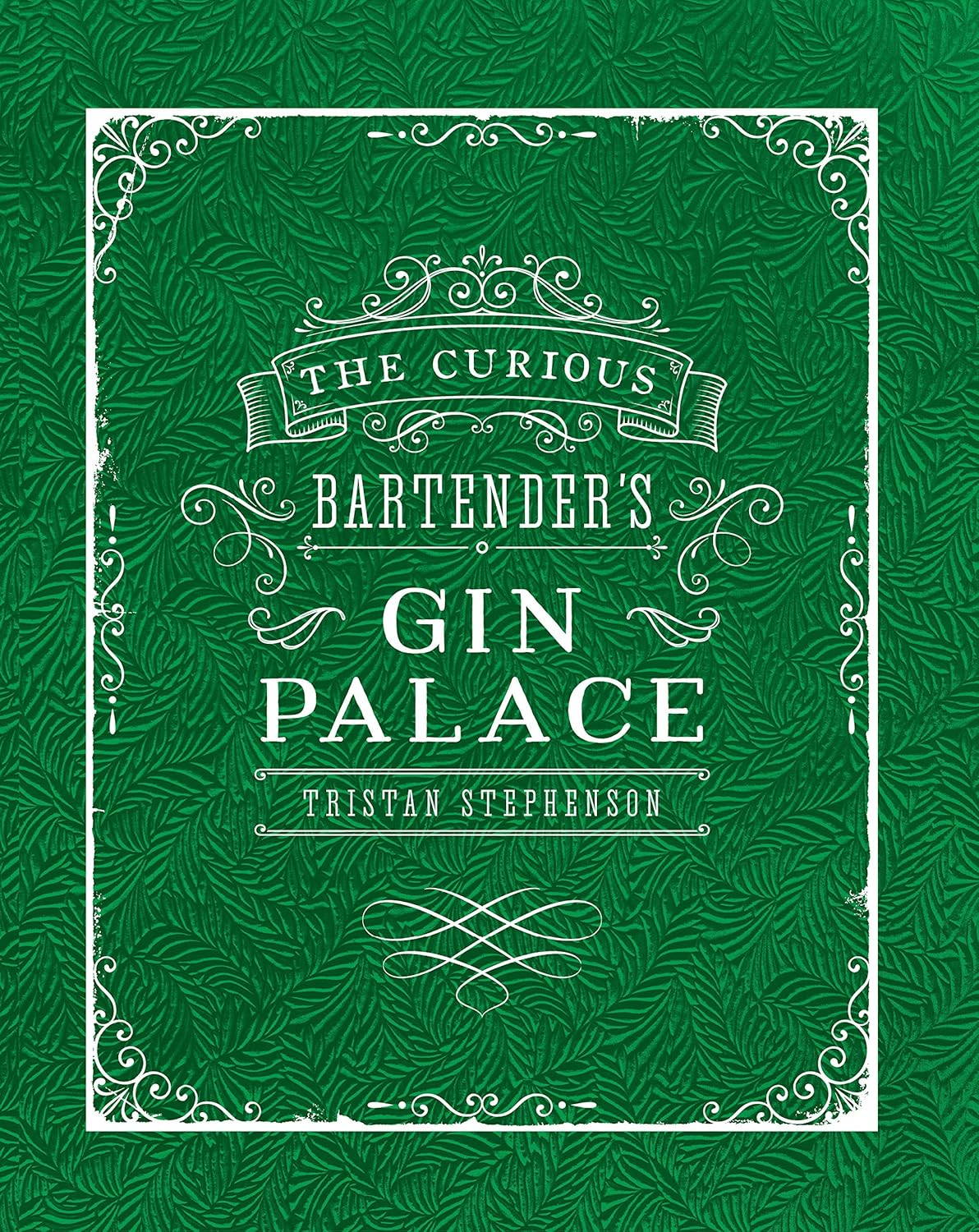
Ryland Peters & Small The Curious Bartender 4 Book Collection by Tristan Stephenson - Gin, Rum, Cocktails & Home Bartending - Hardback Set - Adult Non FictionThe Curious Bartender 4 Book Collection brings together four best-selling hardback titles from award-winning bartender and drinks writer Tristan Stephenson. This set covers gin, rum, home cocktail-making, and the story of the modern cocktail itself. The books pair deep spirits knowledge with genuinely usable technique, making them a rich resource for home bartenders, hospitality students, and anyone interested in the history and craft behind a well-made drink. The collection includes The Curious Bartender's Gin Palace, Rum Revolution, Cocktails At Home, and The Curious Bartender. It's a satisfying, gift-ready boxed collection for the cocktail enthusiast.38,99 £*Shipping: 0,00 £Secure redirect to the provider


-
Which temperature sensor displays the engine temperature?
The engine temperature is typically displayed by a coolant temperature sensor. This sensor is usually located near the engine's cooling system and measures the temperature of the coolant as it circulates through the engine. The information collected by the coolant temperature sensor is then sent to the engine control unit, which uses it to regulate the engine's operating temperature and make adjustments as needed. **
-
What does boiling temperature and melting temperature mean?
Boiling temperature is the temperature at which a substance changes from a liquid to a gas, while melting temperature is the temperature at which a substance changes from a solid to a liquid. These temperatures are specific to each substance and can be influenced by factors such as pressure and impurities. Boiling and melting temperatures are important properties of a substance and are used to characterize and identify different materials. **
-
What is the water temperature and air temperature?
The water temperature is currently 72 degrees Fahrenheit, while the air temperature is 78 degrees Fahrenheit. **
-
Is the transition temperature higher than the current temperature?
To determine if the transition temperature is higher than the current temperature, we need to compare the two temperatures. If the transition temperature is higher than the current temperature, it means that the material will transition from one phase to another at a temperature higher than the current temperature. On the other hand, if the transition temperature is lower than the current temperature, it means that the material will not transition to a different phase at the current temperature. Therefore, the comparison between the transition temperature and the current temperature will determine if the transition temperature is higher or lower. **


Is temperature harmful?
Temperature itself is not inherently harmful, as it is a natural and necessary aspect of our environment. However, extreme temperatures, whether hot or cold, can be harmful to human health and well-being. Prolonged exposure to high temperatures can lead to heat-related illnesses such as heat exhaustion or heat stroke, while extreme cold can lead to hypothermia. It is important to take precautions and protect oneself from extreme temperatures to avoid potential harm. **
What is the difference between temperature preference and temperature tolerance?
Temperature preference refers to the specific temperature range in which an organism thrives and performs best, while temperature tolerance refers to the range of temperatures an organism can withstand without experiencing negative effects or death. Temperature preference is the ideal temperature for an organism, while temperature tolerance is the range of temperatures an organism can survive in. Organisms may have a narrow temperature preference but a wider temperature tolerance, allowing them to survive in a range of conditions. **
Top-Angebote
Products related to Temperature:
-
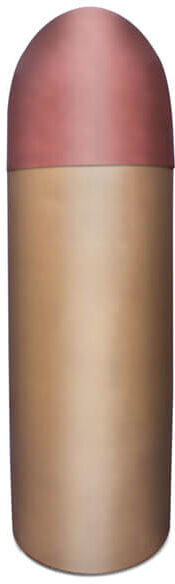
Mixology Bullet Cocktail ShakerFire up your party with this impressive Mixology Bullet Cocktail Shaker. This mighty cocktail shaker has a brass plated body with a copper plated tip, a generous 700ml capacity and a built in strainer. Approximate Mixology bullet cocktail shaker dimensions: H27cm x DIA7.5cm. Hand wash only. Supplied in a smart gift box.22,49 £*Shipping: 3,50 £Secure redirect to the provider
-
Inspired Finds DIYWORK Adjustable Temperature Hot Melt Glue Gun 110W 0.43in Craft Repair Tool DIYWORK Adjustable Temperature Hot Melt Glue Gun 110W 0.43in Craft Repair ToolBring more control to every repair and craft project with a hot glue gun built for steady, reliable performance. This adjustable temperature hot melt glue gun is designed for DIY users, crafters, and home repair tasks that need stronger, more...71,99 $*Shipping: 0,00 $Secure redirect to the provider
-
Do you need a shaker for cocktails?
While a shaker is not absolutely necessary for making cocktails, it is highly recommended for certain drinks that require thorough mixing or chilling. A shaker helps to combine ingredients effectively, chill the drink quickly, and create a nice frothy texture in some cocktails. However, if you don't have a shaker, you can use a mason jar or a mixing glass with a bar spoon as an alternative method. Ultimately, having a shaker can enhance your cocktail-making experience and help you achieve better results. **
-
Which cocktails can be prepared without a shaker?
Many cocktails can be prepared without a shaker, including simple mixed drinks like a rum and coke, gin and tonic, or vodka cranberry. These drinks can be made by simply pouring the ingredients directly into a glass and giving them a quick stir with a spoon. Other cocktails that can be made without a shaker include the classic Old Fashioned, which is made by muddling sugar and bitters in a glass, adding whiskey, and stirring with ice. Additionally, drinks like the Moscow Mule or Dark and Stormy can be made by combining the ingredients in a glass and giving them a gentle stir. **
-
Which temperature sensor displays the engine temperature?
The engine temperature is typically displayed by a coolant temperature sensor. This sensor is usually located near the engine's cooling system and measures the temperature of the coolant as it circulates through the engine. The information collected by the coolant temperature sensor is then sent to the engine control unit, which uses it to regulate the engine's operating temperature and make adjustments as needed. **
-
What does boiling temperature and melting temperature mean?
Boiling temperature is the temperature at which a substance changes from a liquid to a gas, while melting temperature is the temperature at which a substance changes from a solid to a liquid. These temperatures are specific to each substance and can be influenced by factors such as pressure and impurities. Boiling and melting temperatures are important properties of a substance and are used to characterize and identify different materials. **
Similar search terms for Temperature
-
HarperCollins Forager's Cocktails: Botanical Mixology With Fresh Ingredients By Samuel Glynn - Non Fiction - PaperbackTitle:. Forager’s Cocktails: Botanical Mixology With Fresh Ingredients Format: Paperback Overview:. Step into the world where wild herbs meet classic spirits with Forager’s Cocktails: Botanical Mixology With Fresh Ingredients, a masterclass in creating sophisticated drinks straight from your local landscape. Written by seasoned mixologist Samuel Glynn, this comprehensive guide bridges the gap between outdoor exploration and behind-the-bar artistry. Whether you are drawn to craft cocktails or simply enjoy experimenting with natural flavours in your evening glass, this book provides clear, step-by-step instructions for harvesting, preserving, and transforming garden-fresh and wild botanicals into memorable beverages. Each recipe is built around a seasonal framework, ensuring you always know which plants, flowers, fruits, and leaves are at their peak while delivering balanced, restaurant-quality results without relying on processed syrups or synthetic bitters. The volume does not simply offer a list of drink formulas; it teaches you how to listen to the changing seasons, understand flavour profiles, and build drinks that reflect your immediate environment. If you have ever wondered how to make elderflower cordial into a summer highball, turn freshly pickedrosemary into a smoky gin infusion, or preserve wild berries for winter sipping, this guide equips you with every technique required. It combines foundational mixology principles with practical environmental awareness, positioning itself as an essential reference table that evolves alongside your growing skills. What Makes This Book Stand Out:. What separates this title from standard cocktail manuals is its dedicated focus on botanical integrity and sustainable preparation methods. Glynn moves beyond conventional bar kits to show readers how to identify edible weeds, cultivate backyard garnishes, and extract authentic essence through dry distillation, cold infusion, and homemade shrub-making techniques. The instruction explicitly covers sourcing ethics, safe plant identification, and proper storage durations so every batch remains both vibrant and reliable. You will learn how to balance earthy green notes with bright citrus, sweet floral top notes, and deep resinous undertones using ingredients you might otherwise overlook during a woodland walk. The layout pairs each formula with precise measurement guidance and pairing suggestions for glassware and accompanying snacks, turning casual experimentation into repeatable mastery. Rather than prescribing expensive specialty products, the methodology encourages resourcefulness, reducing waste while elevating everyday spirit-forward classics through seasonal freshness. This deliberate emphasis on place-based mixology ensures that every finished glass tastes distinctly rooted in its origin, while the structured progressions guarantee consistent outcomes even for novice creators. Who This Book Is Perfect For:. This title serves home bartenders eager to move...9,99 £*Shipping: 2,99 £Secure redirect to the provider
-
Ryland Peters & Small The Curious Bartender 4 Book Collection by Tristan Stephenson - Gin, Rum, Cocktails & Home Bartending - Hardback Set - Adult Non FictionThe Curious Bartender 4 Book Collection brings together four best-selling hardback titles from award-winning bartender and drinks writer Tristan Stephenson. This set covers gin, rum, home cocktail-making, and the story of the modern cocktail itself. The books pair deep spirits knowledge with genuinely usable technique, making them a rich resource for home bartenders, hospitality students, and anyone interested in the history and craft behind a well-made drink. The collection includes The Curious Bartender's Gin Palace, Rum Revolution, Cocktails At Home, and The Curious Bartender. It's a satisfying, gift-ready boxed collection for the cocktail enthusiast.38,99 £*Shipping: 0,00 £Secure redirect to the provider
-
Touch of Mixology 14-Piece Gold Bartender Kit with Cocktail Shaker and Bamboo StandOrganize essential cocktail tools in one countertop display with this 14-piece gold bartender kit. The set combines stainless steel bar tools with a fitted bamboo stand, keeping the assortment visible and easy to reach on a bar cart or kitchen counter.49,91 $*Shipping: 0,00 $Secure redirect to the provider
-
Inspire Curations Baby Bath Temperature Meter Floating Digital Water Baby Bath Temperature Meter LED Display Temperature Tester Safety Car crabMake bath time safer and more enjoyable with this smart baby bath thermometer designed to monitor water temperature in real time. Perfect for parents and caregivers, this floating bath thermometer gently floats on water while providing accurate...95,50 $*Shipping: 0,00 $Secure redirect to the provider
-
What is the water temperature and air temperature?
The water temperature is currently 72 degrees Fahrenheit, while the air temperature is 78 degrees Fahrenheit. **
-
Is the transition temperature higher than the current temperature?
To determine if the transition temperature is higher than the current temperature, we need to compare the two temperatures. If the transition temperature is higher than the current temperature, it means that the material will transition from one phase to another at a temperature higher than the current temperature. On the other hand, if the transition temperature is lower than the current temperature, it means that the material will not transition to a different phase at the current temperature. Therefore, the comparison between the transition temperature and the current temperature will determine if the transition temperature is higher or lower. **
-
Is temperature harmful?
Temperature itself is not inherently harmful, as it is a natural and necessary aspect of our environment. However, extreme temperatures, whether hot or cold, can be harmful to human health and well-being. Prolonged exposure to high temperatures can lead to heat-related illnesses such as heat exhaustion or heat stroke, while extreme cold can lead to hypothermia. It is important to take precautions and protect oneself from extreme temperatures to avoid potential harm. **
-
What is the difference between temperature preference and temperature tolerance?
Temperature preference refers to the specific temperature range in which an organism thrives and performs best, while temperature tolerance refers to the range of temperatures an organism can withstand without experiencing negative effects or death. Temperature preference is the ideal temperature for an organism, while temperature tolerance is the range of temperatures an organism can survive in. Organisms may have a narrow temperature preference but a wider temperature tolerance, allowing them to survive in a range of conditions. **
* All prices are inclusive of VAT and, if applicable, plus shipping costs. The offer information is based on the details provided by the respective shop and is updated through automated processes. Real-time updates do not occur, so deviations can occur in individual cases. ** Note: Parts of this content were created by AI.