Buy americanbartender.eu ?
We are moving the project
americanbartender.eu .
Are you interested in purchasing the domain
americanbartender.eu ?
domain@kv-gmbh.de · 0541-91531010
Buy americanbartender.eu ?
Can budgies eat grape leaves and nibble on grape branches?
Budgies should not eat grape leaves or nibble on grape branches. Grape leaves and branches can be toxic to birds, including budgies, and may cause digestive issues or other health problems. It's important to provide safe and appropriate fruits and vegetables for budgies to eat, such as apples, carrots, and leafy greens, and to avoid giving them access to potentially harmful plants or branches. **
Are grape hyacinths perennial?
Yes, grape hyacinths are perennial plants. This means they will come back year after year without needing to be replanted. They are known for their vibrant blue or purple flowers that bloom in the spring, making them a popular choice for gardeners looking to add color to their landscape. With proper care and maintenance, grape hyacinths can continue to thrive and bloom for many years. **

Similar search terms for Grape
Top-Angebote
Products related to Grape:
-
Lush Living Finds QuickSlice Grape & Fruit Cutter Safe Grape Cutter For Grapes, Tomatoes & Berries QuickSlice Grape & Fruit Cutter Safe Grape Cutter For Grapes, Tomatoes & BerriesMake snack time faster, safer, and more enjoyable with this clever 1 pc of fruit cutter designed for everyday convenience. Perfect for parents, meal preppers, and fruit lovers, it quickly slices grapes, cherry tomatoes, strawberries, and other small...34,97 $*Shipping: 0,00 $Secure redirect to the provider
-
Uplift Treasures Automatic Electric Grape Peeler Machine Automatic Electric Grape Peeler MachineProduct Description: Peel grapes and small fruits in seconds with this Automatic Electric Grape Peeler Machine. This handsfree fruit prep tool saves time and effort with its efficient skin removing design perfect for kitchens, parties, and healthy...106,97 $*Shipping: 0,00 $Secure redirect to the provider
-
Inspired Finds Soft Silicone Strawberry & Grape Shape Baby Teether Ring 1pc grapeGive your little one gentle relief through every teething milestone with a fun, easytogrip baby teething ring designed in playful strawberry and grape shapes. Crafted from soft, foodgrade silicone, it feels comforting on sore gums and provides a...34,99 $*Shipping: 0,00 $Secure redirect to the provider
-
Uplifted Goods Soft Silicone Strawberry And Grape Baby Teether Ring 2pcs grapeSoothe your babys gums with this soft silicone teether ring shaped like a strawberry and grape. Made from gentle food grade silicone it provides a safe comforting surface for little ones to chew during the teething stage. The lightweight design...44,97 $*Shipping: 0,00 $Secure redirect to the provider


-
Is wine grape juice?
Wine is made from fermented grape juice, but it is not the same as grape juice. The fermentation process involves the conversion of sugars in the grape juice into alcohol by yeast, resulting in the creation of wine. While both wine and grape juice come from grapes, they are distinct products with different characteristics and uses. **
-
What is grape must?
Grape must is the freshly crushed juice of grapes, including the skins, seeds, and stems. It is the unfermented precursor to wine and is used in the initial stages of winemaking. Grape must can also be used to make balsamic vinegar and other grape-based products. It is rich in natural sugars, acids, and flavors, which contribute to the final characteristics of the wine or vinegar. **
-
Why does grape juice clot?
Grape juice can clot due to a natural process called pectin gelation. Pectin is a type of soluble fiber found in fruits like grapes, and when the juice is heated or cooled, the pectin molecules can form a gel-like structure, causing the juice to thicken or clot. This process is similar to how jam or jelly is made, where pectin helps to create a thick, spreadable consistency. Additionally, the presence of other compounds like tannins in grape juice can also contribute to clotting by interacting with proteins and forming complexes that further thicken the juice. **
-
How are grape leaves harvested?
Grape leaves are typically harvested in the late spring or early summer when they are young and tender. Harvesters carefully select leaves that are free from damage or disease. The leaves are picked by hand, ensuring that the stem is left intact to make it easier to roll or stuff the leaves later on. After harvesting, the leaves are washed and blanched before being used in various culinary dishes. **


Does grape juice cause heartburn?
Grape juice can potentially cause heartburn in some individuals due to its acidic nature. The acidity in grape juice can irritate the esophagus and lead to symptoms of heartburn, especially in those who are prone to acid reflux. It is recommended to consume grape juice in moderation and to pay attention to how your body reacts to it to determine if it triggers heartburn for you. If you experience frequent heartburn after consuming grape juice, it may be best to limit or avoid its intake. **
Why does grape juice precipitate?
Grape juice precipitates because it contains natural compounds called tannins, which can react with proteins and other molecules in the juice. When tannins interact with proteins, they can form insoluble complexes that precipitate out of the solution. This process is similar to how tannins in wine can cause sediment to form at the bottom of the bottle. Additionally, the acidity of the grape juice can also contribute to the precipitation of certain compounds. **
Top-Angebote
Products related to Grape:
-
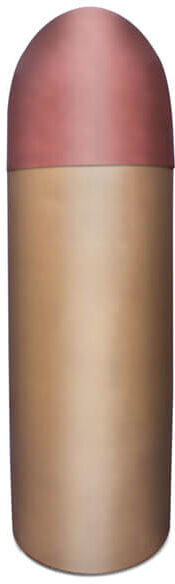
Mixology Bullet Cocktail ShakerFire up your party with this impressive Mixology Bullet Cocktail Shaker. This mighty cocktail shaker has a brass plated body with a copper plated tip, a generous 700ml capacity and a built in strainer. Approximate Mixology bullet cocktail shaker dimensions: H27cm x DIA7.5cm. Hand wash only. Supplied in a smart gift box.22,49 £*Shipping: 3,50 £Secure redirect to the provider
-
Touch of Class Regalia Grande Bedspread Grape, Queen, GrapeRefine your bedroom with the stately elegance of the Regalia Damask Grande Bedspread. Oversized, polyester bedspread features a woven-jacquard damask pattern along with gold and chenille accents. Colors include lavender, grape, and gold. Bedspread...289,99 $*Shipping: 40,59 $Secure redirect to the provider
-
Lush Living Finds QuickSlice Grape & Fruit Cutter Safe Grape Cutter For Grapes, Tomatoes & Berries QuickSlice Grape & Fruit Cutter Safe Grape Cutter For Grapes, Tomatoes & BerriesMake snack time faster, safer, and more enjoyable with this clever 1 pc of fruit cutter designed for everyday convenience. Perfect for parents, meal preppers, and fruit lovers, it quickly slices grapes, cherry tomatoes, strawberries, and other small...34,97 $*Shipping: 0,00 $Secure redirect to the provider
-
Uplift Treasures Automatic Electric Grape Peeler Machine Automatic Electric Grape Peeler MachineProduct Description: Peel grapes and small fruits in seconds with this Automatic Electric Grape Peeler Machine. This handsfree fruit prep tool saves time and effort with its efficient skin removing design perfect for kitchens, parties, and healthy...106,97 $*Shipping: 0,00 $Secure redirect to the provider
-
Can budgies eat grape leaves and nibble on grape branches?
Budgies should not eat grape leaves or nibble on grape branches. Grape leaves and branches can be toxic to birds, including budgies, and may cause digestive issues or other health problems. It's important to provide safe and appropriate fruits and vegetables for budgies to eat, such as apples, carrots, and leafy greens, and to avoid giving them access to potentially harmful plants or branches. **
-
Are grape hyacinths perennial?
Yes, grape hyacinths are perennial plants. This means they will come back year after year without needing to be replanted. They are known for their vibrant blue or purple flowers that bloom in the spring, making them a popular choice for gardeners looking to add color to their landscape. With proper care and maintenance, grape hyacinths can continue to thrive and bloom for many years. **
-
Is wine grape juice?
Wine is made from fermented grape juice, but it is not the same as grape juice. The fermentation process involves the conversion of sugars in the grape juice into alcohol by yeast, resulting in the creation of wine. While both wine and grape juice come from grapes, they are distinct products with different characteristics and uses. **
-
What is grape must?
Grape must is the freshly crushed juice of grapes, including the skins, seeds, and stems. It is the unfermented precursor to wine and is used in the initial stages of winemaking. Grape must can also be used to make balsamic vinegar and other grape-based products. It is rich in natural sugars, acids, and flavors, which contribute to the final characteristics of the wine or vinegar. **
Similar search terms for Grape
-
Inspired Finds Soft Silicone Strawberry & Grape Shape Baby Teether Ring 1pc grapeGive your little one gentle relief through every teething milestone with a fun, easytogrip baby teething ring designed in playful strawberry and grape shapes. Crafted from soft, foodgrade silicone, it feels comforting on sore gums and provides a...34,99 $*Shipping: 0,00 $Secure redirect to the provider
-
Uplifted Goods Soft Silicone Strawberry And Grape Baby Teether Ring 2pcs grapeSoothe your babys gums with this soft silicone teether ring shaped like a strawberry and grape. Made from gentle food grade silicone it provides a safe comforting surface for little ones to chew during the teething stage. The lightweight design...44,97 $*Shipping: 0,00 $Secure redirect to the provider
-
HarperCollins Forager's Cocktails: Botanical Mixology With Fresh Ingredients By Samuel Glynn - Non Fiction - PaperbackTitle:. Forager’s Cocktails: Botanical Mixology With Fresh Ingredients Format: Paperback Overview:. Step into the world where wild herbs meet classic spirits with Forager’s Cocktails: Botanical Mixology With Fresh Ingredients, a masterclass in creating sophisticated drinks straight from your local landscape. Written by seasoned mixologist Samuel Glynn, this comprehensive guide bridges the gap between outdoor exploration and behind-the-bar artistry. Whether you are drawn to craft cocktails or simply enjoy experimenting with natural flavours in your evening glass, this book provides clear, step-by-step instructions for harvesting, preserving, and transforming garden-fresh and wild botanicals into memorable beverages. Each recipe is built around a seasonal framework, ensuring you always know which plants, flowers, fruits, and leaves are at their peak while delivering balanced, restaurant-quality results without relying on processed syrups or synthetic bitters. The volume does not simply offer a list of drink formulas; it teaches you how to listen to the changing seasons, understand flavour profiles, and build drinks that reflect your immediate environment. If you have ever wondered how to make elderflower cordial into a summer highball, turn freshly pickedrosemary into a smoky gin infusion, or preserve wild berries for winter sipping, this guide equips you with every technique required. It combines foundational mixology principles with practical environmental awareness, positioning itself as an essential reference table that evolves alongside your growing skills. What Makes This Book Stand Out:. What separates this title from standard cocktail manuals is its dedicated focus on botanical integrity and sustainable preparation methods. Glynn moves beyond conventional bar kits to show readers how to identify edible weeds, cultivate backyard garnishes, and extract authentic essence through dry distillation, cold infusion, and homemade shrub-making techniques. The instruction explicitly covers sourcing ethics, safe plant identification, and proper storage durations so every batch remains both vibrant and reliable. You will learn how to balance earthy green notes with bright citrus, sweet floral top notes, and deep resinous undertones using ingredients you might otherwise overlook during a woodland walk. The layout pairs each formula with precise measurement guidance and pairing suggestions for glassware and accompanying snacks, turning casual experimentation into repeatable mastery. Rather than prescribing expensive specialty products, the methodology encourages resourcefulness, reducing waste while elevating everyday spirit-forward classics through seasonal freshness. This deliberate emphasis on place-based mixology ensures that every finished glass tastes distinctly rooted in its origin, while the structured progressions guarantee consistent outcomes even for novice creators. Who This Book Is Perfect For:. This title serves home bartenders eager to move...9,99 £*Shipping: 2,99 £Secure redirect to the provider
-
Why does grape juice clot?
Grape juice can clot due to a natural process called pectin gelation. Pectin is a type of soluble fiber found in fruits like grapes, and when the juice is heated or cooled, the pectin molecules can form a gel-like structure, causing the juice to thicken or clot. This process is similar to how jam or jelly is made, where pectin helps to create a thick, spreadable consistency. Additionally, the presence of other compounds like tannins in grape juice can also contribute to clotting by interacting with proteins and forming complexes that further thicken the juice. **
-
How are grape leaves harvested?
Grape leaves are typically harvested in the late spring or early summer when they are young and tender. Harvesters carefully select leaves that are free from damage or disease. The leaves are picked by hand, ensuring that the stem is left intact to make it easier to roll or stuff the leaves later on. After harvesting, the leaves are washed and blanched before being used in various culinary dishes. **
-
Does grape juice cause heartburn?
Grape juice can potentially cause heartburn in some individuals due to its acidic nature. The acidity in grape juice can irritate the esophagus and lead to symptoms of heartburn, especially in those who are prone to acid reflux. It is recommended to consume grape juice in moderation and to pay attention to how your body reacts to it to determine if it triggers heartburn for you. If you experience frequent heartburn after consuming grape juice, it may be best to limit or avoid its intake. **
-
Why does grape juice precipitate?
Grape juice precipitates because it contains natural compounds called tannins, which can react with proteins and other molecules in the juice. When tannins interact with proteins, they can form insoluble complexes that precipitate out of the solution. This process is similar to how tannins in wine can cause sediment to form at the bottom of the bottle. Additionally, the acidity of the grape juice can also contribute to the precipitation of certain compounds. **
* All prices are inclusive of VAT and, if applicable, plus shipping costs. The offer information is based on the details provided by the respective shop and is updated through automated processes. Real-time updates do not occur, so deviations can occur in individual cases. ** Note: Parts of this content were created by AI.