Buy americanbartender.eu ?
We are moving the project
americanbartender.eu .
Are you interested in purchasing the domain
americanbartender.eu ?
domain@kv-gmbh.de · 0541-91531010
Buy americanbartender.eu ?
Why is the acetone molecule a dipole molecule?
The acetone molecule is a dipole molecule because it has a region of partial positive charge and a region of partial negative charge. This is due to the difference in electronegativity between the carbon and oxygen atoms in the molecule. The oxygen atom is more electronegative than the carbon atom, causing it to attract the shared electrons more strongly and acquire a partial negative charge, while the carbon atom becomes partially positive. This unequal distribution of charge creates a dipole moment in the acetone molecule, making it a dipole molecule. **
Is octane a dipole molecule or a nonpolar molecule?
Octane is a nonpolar molecule. This is because it consists of only carbon and hydrogen atoms, which have similar electronegativities and therefore do not create a significant difference in charge distribution within the molecule. As a result, there is no separation of positive and negative charges, making it nonpolar. **

Similar search terms for Molecule
Top-Angebote
Products related to Molecule:
-
HarperCollins Forager's Cocktails: Botanical Mixology With Fresh Ingredients By Samuel Glynn - Non Fiction - PaperbackTitle:. Forager’s Cocktails: Botanical Mixology With Fresh Ingredients Format: Paperback Overview:. Step into the world where wild herbs meet classic spirits with Forager’s Cocktails: Botanical Mixology With Fresh Ingredients, a masterclass in creating sophisticated drinks straight from your local landscape. Written by seasoned mixologist Samuel Glynn, this comprehensive guide bridges the gap between outdoor exploration and behind-the-bar artistry. Whether you are drawn to craft cocktails or simply enjoy experimenting with natural flavours in your evening glass, this book provides clear, step-by-step instructions for harvesting, preserving, and transforming garden-fresh and wild botanicals into memorable beverages. Each recipe is built around a seasonal framework, ensuring you always know which plants, flowers, fruits, and leaves are at their peak while delivering balanced, restaurant-quality results without relying on processed syrups or synthetic bitters. The volume does not simply offer a list of drink formulas; it teaches you how to listen to the changing seasons, understand flavour profiles, and build drinks that reflect your immediate environment. If you have ever wondered how to make elderflower cordial into a summer highball, turn freshly pickedrosemary into a smoky gin infusion, or preserve wild berries for winter sipping, this guide equips you with every technique required. It combines foundational mixology principles with practical environmental awareness, positioning itself as an essential reference table that evolves alongside your growing skills. What Makes This Book Stand Out:. What separates this title from standard cocktail manuals is its dedicated focus on botanical integrity and sustainable preparation methods. Glynn moves beyond conventional bar kits to show readers how to identify edible weeds, cultivate backyard garnishes, and extract authentic essence through dry distillation, cold infusion, and homemade shrub-making techniques. The instruction explicitly covers sourcing ethics, safe plant identification, and proper storage durations so every batch remains both vibrant and reliable. You will learn how to balance earthy green notes with bright citrus, sweet floral top notes, and deep resinous undertones using ingredients you might otherwise overlook during a woodland walk. The layout pairs each formula with precise measurement guidance and pairing suggestions for glassware and accompanying snacks, turning casual experimentation into repeatable mastery. Rather than prescribing expensive specialty products, the methodology encourages resourcefulness, reducing waste while elevating everyday spirit-forward classics through seasonal freshness. This deliberate emphasis on place-based mixology ensures that every finished glass tastes distinctly rooted in its origin, while the structured progressions guarantee consistent outcomes even for novice creators. Who This Book Is Perfect For:. This title serves home bartenders eager to move...9,99 £*Shipping: 2,99 £Secure redirect to the provider
-
BenBella Books The Molecule of More: How a Single Chemical in Your Brain Drives Love, Sex, and Creativityand Will Determine the Fate of the Human RaceThe Molecule of More: How a Single Chemical in Your Brain Drives Love, Sex, and Creativityand Will Determine the Fate of the Human Race16,99 £*Shipping: 2,99 £Secure redirect to the provider
-
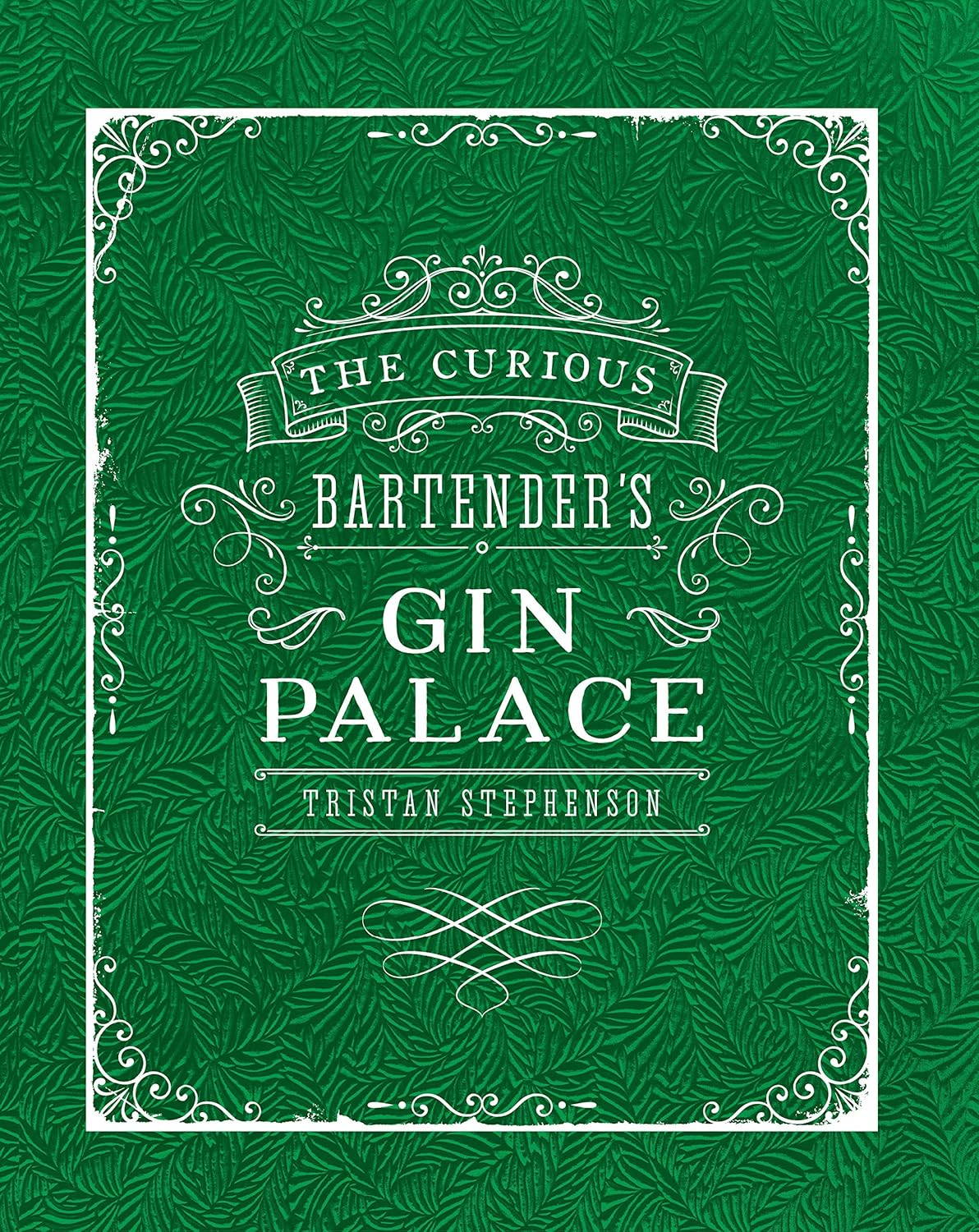
Ryland Peters & Small The Curious Bartender 4 Book Collection by Tristan Stephenson - Gin, Rum, Cocktails & Home Bartending - Hardback Set - Adult Non FictionThe Curious Bartender 4 Book Collection brings together four best-selling hardback titles from award-winning bartender and drinks writer Tristan Stephenson. This set covers gin, rum, home cocktail-making, and the story of the modern cocktail itself. The books pair deep spirits knowledge with genuinely usable technique, making them a rich resource for home bartenders, hospitality students, and anyone interested in the history and craft behind a well-made drink. The collection includes The Curious Bartender's Gin Palace, Rum Revolution, Cocktails At Home, and The Curious Bartender. It's a satisfying, gift-ready boxed collection for the cocktail enthusiast.38,99 £*Shipping: 0,00 £Secure redirect to the provider
-
The Art & Craft of Coffee Cocktails by Jason Clark - Non Fiction - HardbackTitle:. The Art & Craft of Coffee Cocktails Condition: BRAND NEW. Format: Hardcover Overview:. Embark on a sensory journey that starts at the root of your favorite drink—the coffee bean—and travels toward the artful cocktails it inspires. The Art & Craft of Coffee Cocktails blends history, technique, and tasting notes to illuminate how coffee transforms from crop to cup into bold, nuanced drinks. Inside, you’ll find practical mixing guidance crafted for everyone from curious beginners to seasoned bartenders in standout bars worldwide. The book guides you through more than 80 recipes that cover a full spectrum of styles—from stirred and shaken classics to blended and “blazed” innovations. You’ll learn to perfect timeless crowd-pleasers like Espresso Martini and Irish Coffee, while also exploring contemporary feats such as Golden Velvet and Death By Caffeine. With clear, accessible instructions and pro-level insights, this hardcover edition positions coffee cocktails not merely as beverages but as a daily ritual—an invitation to elevate both home bars and professional menus. If you’ve ever wanted to understand how coffee flavors mingle with spirits, syrups, and techniques, this book unlocks that craft and makes every pour feel intentional and inspiring. What Makes This Book Stand Out:. This book stands out by marrying deep coffee knowledge with practical cocktail mastery. It begins with a compelling crop-to-cup narrative that demystifies coffee’s flavours, origins, and grinding profiles, then translates that understanding into a toolkit for mixology. The author’s guidance speaks to a spectrum of readers: aspiring home bartenders seeking confidence, and professionals looking for precise technique and new ideas to refresh menus. The collection of recipes spans traditional and modern approaches, offering step-by-step methods for balancing acidity, intensity, and texture. Highlights like the Espresso Martini and Irish Coffee sit beside more technical feats such as Golden Velvet and Death By Caffeine, showcasing how coffee can anchor both comforting staples and showpiece drinks. The result is a practical, reference-worthy guide that invites ongoing experimentation while delivering reliable, repeatable results in real-world settings. Who This Book Is Perfect For:. This book is ideal for coffee lovers who crave more than a caffeine fix, and for cocktail enthusiasts eager to explore coffee-forward drinks. It suits home bartenders looking to expand their repertoire, bar professionals seeking fresh ideas for menus, and gift buyers hunting for a premium, unique present for coffee geeks and cocktail fans alike. It's also a strong choice for aspiring sommeliers and hospitality students wanting a tactile, recipe-driven resource that connects coffee craft with the art of mixology. Whether you’re entertaining at home, stocking a café bar, or curating a sophisticated drinks program, this hardcover guide provides both inspiration and practical know-how in a single,...9,27 £*Shipping: 2,99 £Secure redirect to the provider



-
How does a hydrocarbon molecule react with an oxygen molecule?
When a hydrocarbon molecule reacts with an oxygen molecule, it undergoes a process called combustion. During combustion, the hydrocarbon molecule combines with the oxygen molecule to produce carbon dioxide and water, releasing energy in the form of heat and light. This reaction is exothermic, meaning it releases more energy than it consumes, making it a key process in many natural and industrial processes, such as burning fossil fuels for energy production. **
-
Do you need a shaker for cocktails?
While a shaker is not absolutely necessary for making cocktails, it is highly recommended for certain drinks that require thorough mixing or chilling. A shaker helps to combine ingredients effectively, chill the drink quickly, and create a nice frothy texture in some cocktails. However, if you don't have a shaker, you can use a mason jar or a mixing glass with a bar spoon as an alternative method. Ultimately, having a shaker can enhance your cocktail-making experience and help you achieve better results. **
-
What is a molecule?
A molecule is a group of atoms bonded together, representing the smallest fundamental unit of a chemical compound that can take part in a chemical reaction. These atoms can be of the same element or different elements, and they are held together by chemical bonds. Molecules can vary in size and complexity, from simple diatomic molecules like oxygen (O2) to large and complex molecules like DNA. **
-
Ionic bond or molecule?
An ionic bond is formed when one atom transfers electrons to another atom, resulting in the formation of positively and negatively charged ions that are held together by electrostatic forces. On the other hand, a molecule is formed when two or more atoms share electrons to achieve a stable electron configuration. Therefore, the main difference between an ionic bond and a molecule is the way in which atoms are held together - through transfer of electrons in an ionic bond, and through sharing of electrons in a molecule. **

How can one recognize if a molecule is a dipole-dipole molecule?
One can recognize if a molecule is a dipole-dipole molecule by examining the electronegativity difference between the atoms in the molecule. If there is a significant difference in electronegativity between the atoms, causing an uneven distribution of electron density, the molecule is likely a dipole. Additionally, if the molecule has a symmetrical shape that cancels out the dipole moments of individual bonds, it is less likely to be a dipole-dipole molecule. Experimentally, dipole-dipole interactions can be identified through techniques such as infrared spectroscopy or measuring the molecule's dipole moment. **
How can one determine if a molecule is a dipole-dipole molecule?
A molecule is considered a dipole-dipole molecule if it has a significant difference in electronegativity between the atoms involved in the covalent bond. This results in an uneven distribution of electron density, creating a partial positive and partial negative charge on different ends of the molecule. Additionally, the molecule must have a symmetrical shape that does not cancel out the overall dipole moment. One can determine if a molecule is a dipole-dipole molecule by looking at its molecular structure and identifying the presence of polar covalent bonds and the overall molecular geometry. **
Top-Angebote
Products related to Molecule:
-
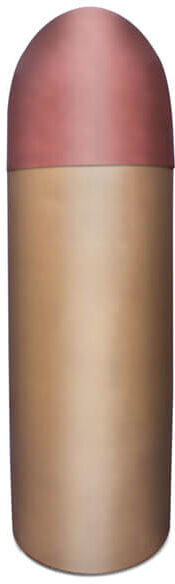
Mixology Bullet Cocktail ShakerFire up your party with this impressive Mixology Bullet Cocktail Shaker. This mighty cocktail shaker has a brass plated body with a copper plated tip, a generous 700ml capacity and a built in strainer. Approximate Mixology bullet cocktail shaker dimensions: H27cm x DIA7.5cm. Hand wash only. Supplied in a smart gift box.22,49 £*Shipping: 3,50 £Secure redirect to the provider
-
Shireen Stephen & Lieberman The 4-Week , The Ultimate , Smart Guide for , Train & The Molecule of More 5 Books SetDescription. Condition: BRAND NEW. Format: Paperback. The 4-Week Memory Challenge:. Designed for all ages and abilities, The 4-Week Memory Challenge is a simple guide that provides day-by-day training to supercharge your brain and improve your memory drastically and immediately! In just one month, you will discover how to unlock the phenomenal power of your memory and use it to its maximum potential!. The Ultimate Brain-Boosting Toolkit:. The Ultimate Brain-Boosting Toolkit is a compelling collection of more than 450 brain-boosting and brain-busting puzzles that will keep you and your family entertained and fascinated for hours! This book brings you puzzles that both develop and train your analytical and logical skills, along with a multitude of others such as creativity, imagination, observation, spatial and mathematical skills, language and verbal abilities and tons more!. Smart Guide for Awesome Memory:. Would you like to have facts and figures at your fingertips? Would you like to be able to remember everything that you have studied while writing your exams? Would you like to learn a second language easily? Make these goals a reality with the help of this simple guide.. Train Your Brain: Ultimate Memory Hacks:. Would you like to sharpen your memory? Would you like to keep your brain agile and focused? Would you like to age-proof your brain so that it stays young, healthy and fit? Then this is the book for you! Train Your Brain is a book of puzzles, exercises, riddles, and brain games that will help boost your brain power and jump start your brain!. The Molecule of More: How a Single Chemical in Your Brain Drives Love, Sex, and Creativity―and Will Determine the Fate of the Human Race. Why are we obsessed with the things we want only to be bored when we get them? Why is addiction perfectly logical to an addict? Why does love change so quickly from passion to indifference? Why are some people die-hard liberals and others hardcore conservatives? Why are we always hopeful for solutions even in the darkest times―and so good at figuring them out? The answer is found in a single chemical in your brain:. Title. The 4-Week , The Ultimate , Smart Guide for , Train & The Molecule of More 5 Books Set. Delivery. Content. Reviews99,99 £*Shipping: 0,00 £Secure redirect to the provider
-
HarperCollins Forager's Cocktails: Botanical Mixology With Fresh Ingredients By Samuel Glynn - Non Fiction - PaperbackTitle:. Forager’s Cocktails: Botanical Mixology With Fresh Ingredients Format: Paperback Overview:. Step into the world where wild herbs meet classic spirits with Forager’s Cocktails: Botanical Mixology With Fresh Ingredients, a masterclass in creating sophisticated drinks straight from your local landscape. Written by seasoned mixologist Samuel Glynn, this comprehensive guide bridges the gap between outdoor exploration and behind-the-bar artistry. Whether you are drawn to craft cocktails or simply enjoy experimenting with natural flavours in your evening glass, this book provides clear, step-by-step instructions for harvesting, preserving, and transforming garden-fresh and wild botanicals into memorable beverages. Each recipe is built around a seasonal framework, ensuring you always know which plants, flowers, fruits, and leaves are at their peak while delivering balanced, restaurant-quality results without relying on processed syrups or synthetic bitters. The volume does not simply offer a list of drink formulas; it teaches you how to listen to the changing seasons, understand flavour profiles, and build drinks that reflect your immediate environment. If you have ever wondered how to make elderflower cordial into a summer highball, turn freshly pickedrosemary into a smoky gin infusion, or preserve wild berries for winter sipping, this guide equips you with every technique required. It combines foundational mixology principles with practical environmental awareness, positioning itself as an essential reference table that evolves alongside your growing skills. What Makes This Book Stand Out:. What separates this title from standard cocktail manuals is its dedicated focus on botanical integrity and sustainable preparation methods. Glynn moves beyond conventional bar kits to show readers how to identify edible weeds, cultivate backyard garnishes, and extract authentic essence through dry distillation, cold infusion, and homemade shrub-making techniques. The instruction explicitly covers sourcing ethics, safe plant identification, and proper storage durations so every batch remains both vibrant and reliable. You will learn how to balance earthy green notes with bright citrus, sweet floral top notes, and deep resinous undertones using ingredients you might otherwise overlook during a woodland walk. The layout pairs each formula with precise measurement guidance and pairing suggestions for glassware and accompanying snacks, turning casual experimentation into repeatable mastery. Rather than prescribing expensive specialty products, the methodology encourages resourcefulness, reducing waste while elevating everyday spirit-forward classics through seasonal freshness. This deliberate emphasis on place-based mixology ensures that every finished glass tastes distinctly rooted in its origin, while the structured progressions guarantee consistent outcomes even for novice creators. Who This Book Is Perfect For:. This title serves home bartenders eager to move...9,99 £*Shipping: 2,99 £Secure redirect to the provider
-
BenBella Books The Molecule of More: How a Single Chemical in Your Brain Drives Love, Sex, and Creativityand Will Determine the Fate of the Human RaceThe Molecule of More: How a Single Chemical in Your Brain Drives Love, Sex, and Creativityand Will Determine the Fate of the Human Race16,99 £*Shipping: 2,99 £Secure redirect to the provider
-
Why is the acetone molecule a dipole molecule?
The acetone molecule is a dipole molecule because it has a region of partial positive charge and a region of partial negative charge. This is due to the difference in electronegativity between the carbon and oxygen atoms in the molecule. The oxygen atom is more electronegative than the carbon atom, causing it to attract the shared electrons more strongly and acquire a partial negative charge, while the carbon atom becomes partially positive. This unequal distribution of charge creates a dipole moment in the acetone molecule, making it a dipole molecule. **
-
Is octane a dipole molecule or a nonpolar molecule?
Octane is a nonpolar molecule. This is because it consists of only carbon and hydrogen atoms, which have similar electronegativities and therefore do not create a significant difference in charge distribution within the molecule. As a result, there is no separation of positive and negative charges, making it nonpolar. **
-
How does a hydrocarbon molecule react with an oxygen molecule?
When a hydrocarbon molecule reacts with an oxygen molecule, it undergoes a process called combustion. During combustion, the hydrocarbon molecule combines with the oxygen molecule to produce carbon dioxide and water, releasing energy in the form of heat and light. This reaction is exothermic, meaning it releases more energy than it consumes, making it a key process in many natural and industrial processes, such as burning fossil fuels for energy production. **
-
Do you need a shaker for cocktails?
While a shaker is not absolutely necessary for making cocktails, it is highly recommended for certain drinks that require thorough mixing or chilling. A shaker helps to combine ingredients effectively, chill the drink quickly, and create a nice frothy texture in some cocktails. However, if you don't have a shaker, you can use a mason jar or a mixing glass with a bar spoon as an alternative method. Ultimately, having a shaker can enhance your cocktail-making experience and help you achieve better results. **
Similar search terms for Molecule
-
Ryland Peters & Small The Curious Bartender 4 Book Collection by Tristan Stephenson - Gin, Rum, Cocktails & Home Bartending - Hardback Set - Adult Non FictionThe Curious Bartender 4 Book Collection brings together four best-selling hardback titles from award-winning bartender and drinks writer Tristan Stephenson. This set covers gin, rum, home cocktail-making, and the story of the modern cocktail itself. The books pair deep spirits knowledge with genuinely usable technique, making them a rich resource for home bartenders, hospitality students, and anyone interested in the history and craft behind a well-made drink. The collection includes The Curious Bartender's Gin Palace, Rum Revolution, Cocktails At Home, and The Curious Bartender. It's a satisfying, gift-ready boxed collection for the cocktail enthusiast.38,99 £*Shipping: 0,00 £Secure redirect to the provider
-
The Art & Craft of Coffee Cocktails by Jason Clark - Non Fiction - HardbackTitle:. The Art & Craft of Coffee Cocktails Condition: BRAND NEW. Format: Hardcover Overview:. Embark on a sensory journey that starts at the root of your favorite drink—the coffee bean—and travels toward the artful cocktails it inspires. The Art & Craft of Coffee Cocktails blends history, technique, and tasting notes to illuminate how coffee transforms from crop to cup into bold, nuanced drinks. Inside, you’ll find practical mixing guidance crafted for everyone from curious beginners to seasoned bartenders in standout bars worldwide. The book guides you through more than 80 recipes that cover a full spectrum of styles—from stirred and shaken classics to blended and “blazed” innovations. You’ll learn to perfect timeless crowd-pleasers like Espresso Martini and Irish Coffee, while also exploring contemporary feats such as Golden Velvet and Death By Caffeine. With clear, accessible instructions and pro-level insights, this hardcover edition positions coffee cocktails not merely as beverages but as a daily ritual—an invitation to elevate both home bars and professional menus. If you’ve ever wanted to understand how coffee flavors mingle with spirits, syrups, and techniques, this book unlocks that craft and makes every pour feel intentional and inspiring. What Makes This Book Stand Out:. This book stands out by marrying deep coffee knowledge with practical cocktail mastery. It begins with a compelling crop-to-cup narrative that demystifies coffee’s flavours, origins, and grinding profiles, then translates that understanding into a toolkit for mixology. The author’s guidance speaks to a spectrum of readers: aspiring home bartenders seeking confidence, and professionals looking for precise technique and new ideas to refresh menus. The collection of recipes spans traditional and modern approaches, offering step-by-step methods for balancing acidity, intensity, and texture. Highlights like the Espresso Martini and Irish Coffee sit beside more technical feats such as Golden Velvet and Death By Caffeine, showcasing how coffee can anchor both comforting staples and showpiece drinks. The result is a practical, reference-worthy guide that invites ongoing experimentation while delivering reliable, repeatable results in real-world settings. Who This Book Is Perfect For:. This book is ideal for coffee lovers who crave more than a caffeine fix, and for cocktail enthusiasts eager to explore coffee-forward drinks. It suits home bartenders looking to expand their repertoire, bar professionals seeking fresh ideas for menus, and gift buyers hunting for a premium, unique present for coffee geeks and cocktail fans alike. It's also a strong choice for aspiring sommeliers and hospitality students wanting a tactile, recipe-driven resource that connects coffee craft with the art of mixology. Whether you’re entertaining at home, stocking a café bar, or curating a sophisticated drinks program, this hardcover guide provides both inspiration and practical know-how in a single,...9,27 £*Shipping: 2,99 £Secure redirect to the provider
-
Bar Bespoke Final Touch Garnish ServerPerfect for home bars, parties, or professional use, the Final Touch Garnish Server offers a clean and convenient way to store and serve garnishes and toppings for drinks, salads, burgers and more. With four removable containers and a non-slip base, this compact caddy keeps everything from cherries and olives to lemon wedges and lime slices neatly arranged and easy to access, as well as portable for picnic baskets and on-the-go snacks. Whether you're mixing drinks for guests or prepping a casual gathering, the Final Touch Garnish Server adds efficiency and style to your setup. It’s a simple solution for keeping ingredients tidy, fresh, and within reach. Made from clear plastic with non-slip base. Dimensions: 8.7(H) x 26.5(W) x 10.5(D) cm. Dishwasher safe.19,79 £*Shipping: 3,50 £Secure redirect to the provider
-
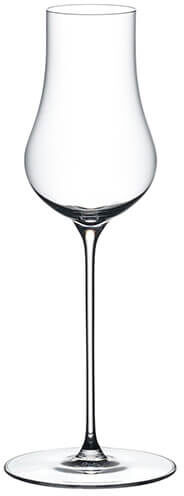
Riedel Superleggero Spirits GlassDesigned to bring clarity and balance to fine spirits, the Riedel Superleggero Spirits glass helps harmonise aroma and flavour while tempering alcohol on the palate. Its slim, flute‑shaped bowl concentrates the bouquet and limits evaporation, allowing the character of the spirit to come through cleanly and with precision. With a 248ml capacity, the glass is well suited to measured pours, while the 24.4cm height gives it an elegant, stemmed profile that keeps the spirit comfortably away from hand warmth. Despite its height, the glass remains exceptionally light and fine, offering a refined feel in use. Part of the Superleggero collection, this glass is premium machine‑made using advanced technology to achieve exceptional thinness, balance and consistency. Each glass features a discreet grape‑varietal code on the base for easy identification. Dishwasher safe and supplied as a single glass.40,00 £*Shipping: 3,50 £Secure redirect to the provider
-
What is a molecule?
A molecule is a group of atoms bonded together, representing the smallest fundamental unit of a chemical compound that can take part in a chemical reaction. These atoms can be of the same element or different elements, and they are held together by chemical bonds. Molecules can vary in size and complexity, from simple diatomic molecules like oxygen (O2) to large and complex molecules like DNA. **
-
Ionic bond or molecule?
An ionic bond is formed when one atom transfers electrons to another atom, resulting in the formation of positively and negatively charged ions that are held together by electrostatic forces. On the other hand, a molecule is formed when two or more atoms share electrons to achieve a stable electron configuration. Therefore, the main difference between an ionic bond and a molecule is the way in which atoms are held together - through transfer of electrons in an ionic bond, and through sharing of electrons in a molecule. **
-
How can one recognize if a molecule is a dipole-dipole molecule?
One can recognize if a molecule is a dipole-dipole molecule by examining the electronegativity difference between the atoms in the molecule. If there is a significant difference in electronegativity between the atoms, causing an uneven distribution of electron density, the molecule is likely a dipole. Additionally, if the molecule has a symmetrical shape that cancels out the dipole moments of individual bonds, it is less likely to be a dipole-dipole molecule. Experimentally, dipole-dipole interactions can be identified through techniques such as infrared spectroscopy or measuring the molecule's dipole moment. **
-
How can one determine if a molecule is a dipole-dipole molecule?
A molecule is considered a dipole-dipole molecule if it has a significant difference in electronegativity between the atoms involved in the covalent bond. This results in an uneven distribution of electron density, creating a partial positive and partial negative charge on different ends of the molecule. Additionally, the molecule must have a symmetrical shape that does not cancel out the overall dipole moment. One can determine if a molecule is a dipole-dipole molecule by looking at its molecular structure and identifying the presence of polar covalent bonds and the overall molecular geometry. **
* All prices are inclusive of VAT and, if applicable, plus shipping costs. The offer information is based on the details provided by the respective shop and is updated through automated processes. Real-time updates do not occur, so deviations can occur in individual cases. ** Note: Parts of this content were created by AI.