Buy americanbartender.eu ?
We are moving the project
americanbartender.eu .
Are you interested in purchasing the domain
americanbartender.eu ?
domain@kv-gmbh.de · 0541-91531010
Buy americanbartender.eu ?
Which grains for sparrows?
Sparrows can eat a variety of grains, including millet, oats, barley, and wheat. These grains provide essential nutrients and energy for sparrows to thrive. It is important to offer a diverse selection of grains to ensure a balanced diet for these small birds. Additionally, providing grains in a bird feeder or scattered on the ground can attract sparrows to your garden or backyard. **
Can goats eat grains?
Yes, goats can eat grains as part of their diet. Grains such as oats, barley, and corn can provide essential nutrients and energy for goats. However, it's important to feed them in moderation and ensure that the grains are properly processed and not moldy, as moldy grains can be harmful to goats. Additionally, goats should have access to plenty of fresh water and a balanced diet that includes a variety of forage and other feed sources. **

Similar search terms for Grains
Top-Angebote
Products related to Grains:
-
HarperCollins Forager's Cocktails: Botanical Mixology With Fresh Ingredients By Samuel Glynn - Non Fiction - PaperbackTitle:. Forager’s Cocktails: Botanical Mixology With Fresh Ingredients Format: Paperback Overview:. Step into the world where wild herbs meet classic spirits with Forager’s Cocktails: Botanical Mixology With Fresh Ingredients, a masterclass in creating sophisticated drinks straight from your local landscape. Written by seasoned mixologist Samuel Glynn, this comprehensive guide bridges the gap between outdoor exploration and behind-the-bar artistry. Whether you are drawn to craft cocktails or simply enjoy experimenting with natural flavours in your evening glass, this book provides clear, step-by-step instructions for harvesting, preserving, and transforming garden-fresh and wild botanicals into memorable beverages. Each recipe is built around a seasonal framework, ensuring you always know which plants, flowers, fruits, and leaves are at their peak while delivering balanced, restaurant-quality results without relying on processed syrups or synthetic bitters. The volume does not simply offer a list of drink formulas; it teaches you how to listen to the changing seasons, understand flavour profiles, and build drinks that reflect your immediate environment. If you have ever wondered how to make elderflower cordial into a summer highball, turn freshly pickedrosemary into a smoky gin infusion, or preserve wild berries for winter sipping, this guide equips you with every technique required. It combines foundational mixology principles with practical environmental awareness, positioning itself as an essential reference table that evolves alongside your growing skills. What Makes This Book Stand Out:. What separates this title from standard cocktail manuals is its dedicated focus on botanical integrity and sustainable preparation methods. Glynn moves beyond conventional bar kits to show readers how to identify edible weeds, cultivate backyard garnishes, and extract authentic essence through dry distillation, cold infusion, and homemade shrub-making techniques. The instruction explicitly covers sourcing ethics, safe plant identification, and proper storage durations so every batch remains both vibrant and reliable. You will learn how to balance earthy green notes with bright citrus, sweet floral top notes, and deep resinous undertones using ingredients you might otherwise overlook during a woodland walk. The layout pairs each formula with precise measurement guidance and pairing suggestions for glassware and accompanying snacks, turning casual experimentation into repeatable mastery. Rather than prescribing expensive specialty products, the methodology encourages resourcefulness, reducing waste while elevating everyday spirit-forward classics through seasonal freshness. This deliberate emphasis on place-based mixology ensures that every finished glass tastes distinctly rooted in its origin, while the structured progressions guarantee consistent outcomes even for novice creators. Who This Book Is Perfect For:. This title serves home bartenders eager to move...9,99 £*Shipping: 2,99 £Secure redirect to the provider
-
GreenLife Healthy Ceramic Nonstick Rice & Grains CookerMake perfect rice (or any other grain) with the press of a button the go grains rice and grains cooker delivers flawless grains again and again! The no-guess presets keep everything easy.59,99 $*Shipping: 0,00 $Secure redirect to the provider
-
Uplift Essentials Rice And Grains Food Storage Canister With Measuring Cup Lid Rice And Grains Food Storage Canister With Measuring Cup LidKeep your dry goods fresh, organized, and easy to access with the Rice and Grains Food Storage Canister. Designed for modern kitchens, this smart storage solution combines practicality and style protecting your food from moisture, dust, and insects...37,97 $*Shipping: 0,00 $Secure redirect to the provider




-
Who brings forth grains?
Grains are brought forth by the process of pollination and fertilization in plants. This process involves the transfer of pollen from the male reproductive organs of a plant to the female reproductive organs, leading to the development of seeds, including grains. This can occur through wind, insects, or other means of pollination. Ultimately, it is the plants themselves that bring forth grains through their reproductive processes. **
-
Are these barley grains?
Yes, these are barley grains. Barley grains are small, oval-shaped seeds that are commonly used in cooking and brewing. They have a slightly nutty flavor and are often used in soups, stews, and salads. Barley grains are also a key ingredient in making malt for brewing beer and whiskey. **
-
Do you need a shaker for cocktails?
While a shaker is not absolutely necessary for making cocktails, it is highly recommended for certain drinks that require thorough mixing or chilling. A shaker helps to combine ingredients effectively, chill the drink quickly, and create a nice frothy texture in some cocktails. However, if you don't have a shaker, you can use a mason jar or a mixing glass with a bar spoon as an alternative method. Ultimately, having a shaker can enhance your cocktail-making experience and help you achieve better results. **
-
Can you eat kefir grains?
No, kefir grains are not meant to be eaten. They are a combination of bacteria and yeast that are used to ferment milk and create kefir. While kefir itself is safe and healthy to consume, the grains should be separated from the finished kefir before consumption. **


How are sand grains represented?
Sand grains are typically represented as small, individual particles in scientific studies and models. They are often depicted as tiny, irregularly shaped pieces of mineral or rock material. In simulations and diagrams, sand grains are shown in close proximity to each other, reflecting their natural arrangement in sand formations. Researchers use various methods such as microscopy, imaging techniques, and computer simulations to study and represent the characteristics and behavior of sand grains. **
Does cat food contain grains?
Yes, many cat foods contain grains as a source of carbohydrates and fiber. Common grains found in cat food include rice, corn, wheat, and barley. However, some cat foods are grain-free, catering to cats with grain sensitivities or specific dietary needs. It's important to read the ingredients list on cat food packaging to determine if it contains grains. **
Top-Angebote
Products related to Grains:
-
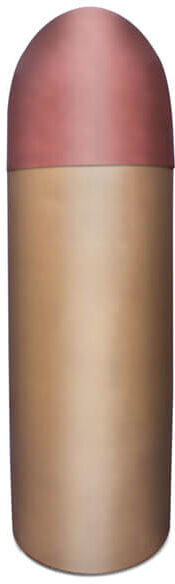
Mixology Bullet Cocktail ShakerFire up your party with this impressive Mixology Bullet Cocktail Shaker. This mighty cocktail shaker has a brass plated body with a copper plated tip, a generous 700ml capacity and a built in strainer. Approximate Mixology bullet cocktail shaker dimensions: H27cm x DIA7.5cm. Hand wash only. Supplied in a smart gift box.22,49 £*Shipping: 3,50 £Secure redirect to the provider
-
HarperCollins Forager's Cocktails: Botanical Mixology With Fresh Ingredients By Samuel Glynn - Non Fiction - PaperbackTitle:. Forager’s Cocktails: Botanical Mixology With Fresh Ingredients Format: Paperback Overview:. Step into the world where wild herbs meet classic spirits with Forager’s Cocktails: Botanical Mixology With Fresh Ingredients, a masterclass in creating sophisticated drinks straight from your local landscape. Written by seasoned mixologist Samuel Glynn, this comprehensive guide bridges the gap between outdoor exploration and behind-the-bar artistry. Whether you are drawn to craft cocktails or simply enjoy experimenting with natural flavours in your evening glass, this book provides clear, step-by-step instructions for harvesting, preserving, and transforming garden-fresh and wild botanicals into memorable beverages. Each recipe is built around a seasonal framework, ensuring you always know which plants, flowers, fruits, and leaves are at their peak while delivering balanced, restaurant-quality results without relying on processed syrups or synthetic bitters. The volume does not simply offer a list of drink formulas; it teaches you how to listen to the changing seasons, understand flavour profiles, and build drinks that reflect your immediate environment. If you have ever wondered how to make elderflower cordial into a summer highball, turn freshly pickedrosemary into a smoky gin infusion, or preserve wild berries for winter sipping, this guide equips you with every technique required. It combines foundational mixology principles with practical environmental awareness, positioning itself as an essential reference table that evolves alongside your growing skills. What Makes This Book Stand Out:. What separates this title from standard cocktail manuals is its dedicated focus on botanical integrity and sustainable preparation methods. Glynn moves beyond conventional bar kits to show readers how to identify edible weeds, cultivate backyard garnishes, and extract authentic essence through dry distillation, cold infusion, and homemade shrub-making techniques. The instruction explicitly covers sourcing ethics, safe plant identification, and proper storage durations so every batch remains both vibrant and reliable. You will learn how to balance earthy green notes with bright citrus, sweet floral top notes, and deep resinous undertones using ingredients you might otherwise overlook during a woodland walk. The layout pairs each formula with precise measurement guidance and pairing suggestions for glassware and accompanying snacks, turning casual experimentation into repeatable mastery. Rather than prescribing expensive specialty products, the methodology encourages resourcefulness, reducing waste while elevating everyday spirit-forward classics through seasonal freshness. This deliberate emphasis on place-based mixology ensures that every finished glass tastes distinctly rooted in its origin, while the structured progressions guarantee consistent outcomes even for novice creators. Who This Book Is Perfect For:. This title serves home bartenders eager to move...9,99 £*Shipping: 2,99 £Secure redirect to the provider
-
Which grains for sparrows?
Sparrows can eat a variety of grains, including millet, oats, barley, and wheat. These grains provide essential nutrients and energy for sparrows to thrive. It is important to offer a diverse selection of grains to ensure a balanced diet for these small birds. Additionally, providing grains in a bird feeder or scattered on the ground can attract sparrows to your garden or backyard. **
-
Can goats eat grains?
Yes, goats can eat grains as part of their diet. Grains such as oats, barley, and corn can provide essential nutrients and energy for goats. However, it's important to feed them in moderation and ensure that the grains are properly processed and not moldy, as moldy grains can be harmful to goats. Additionally, goats should have access to plenty of fresh water and a balanced diet that includes a variety of forage and other feed sources. **
-
Who brings forth grains?
Grains are brought forth by the process of pollination and fertilization in plants. This process involves the transfer of pollen from the male reproductive organs of a plant to the female reproductive organs, leading to the development of seeds, including grains. This can occur through wind, insects, or other means of pollination. Ultimately, it is the plants themselves that bring forth grains through their reproductive processes. **
-
Are these barley grains?
Yes, these are barley grains. Barley grains are small, oval-shaped seeds that are commonly used in cooking and brewing. They have a slightly nutty flavor and are often used in soups, stews, and salads. Barley grains are also a key ingredient in making malt for brewing beer and whiskey. **
Similar search terms for Grains
-
GreenLife Healthy Ceramic Nonstick Rice & Grains CookerMake perfect rice (or any other grain) with the press of a button the go grains rice and grains cooker delivers flawless grains again and again! The no-guess presets keep everything easy.59,99 $*Shipping: 0,00 $Secure redirect to the provider
-
Uplift Essentials Rice And Grains Food Storage Canister With Measuring Cup Lid Rice And Grains Food Storage Canister With Measuring Cup LidKeep your dry goods fresh, organized, and easy to access with the Rice and Grains Food Storage Canister. Designed for modern kitchens, this smart storage solution combines practicality and style protecting your food from moisture, dust, and insects...37,97 $*Shipping: 0,00 $Secure redirect to the provider
-
Ryland Peters & Small The Curious Bartender 4 Book Collection by Tristan Stephenson - Gin, Rum, Cocktails & Home Bartending - Hardback Set - Adult Non FictionThe Curious Bartender 4 Book Collection brings together four best-selling hardback titles from award-winning bartender and drinks writer Tristan Stephenson. This set covers gin, rum, home cocktail-making, and the story of the modern cocktail itself. The books pair deep spirits knowledge with genuinely usable technique, making them a rich resource for home bartenders, hospitality students, and anyone interested in the history and craft behind a well-made drink. The collection includes The Curious Bartender's Gin Palace, Rum Revolution, Cocktails At Home, and The Curious Bartender. It's a satisfying, gift-ready boxed collection for the cocktail enthusiast.38,99 £*Shipping: 0,00 £Secure redirect to the provider
-
Uplifted Finds Electric Multifunctional Coffee And Spice Grinder For Beans Nuts And Grains Electric Multifunctional Coffee And Spice Grinder For Beans Nuts And GrainsUpgrade your kitchen routine with this compact electric grinder designed for fast and efficient grinding of coffee beans, spices, grains, cereals, and nuts. With a simple one touch operation and powerful motor performance, this grinder delivers...110,97 $*Shipping: 0,00 $Secure redirect to the provider
-
Do you need a shaker for cocktails?
While a shaker is not absolutely necessary for making cocktails, it is highly recommended for certain drinks that require thorough mixing or chilling. A shaker helps to combine ingredients effectively, chill the drink quickly, and create a nice frothy texture in some cocktails. However, if you don't have a shaker, you can use a mason jar or a mixing glass with a bar spoon as an alternative method. Ultimately, having a shaker can enhance your cocktail-making experience and help you achieve better results. **
-
Can you eat kefir grains?
No, kefir grains are not meant to be eaten. They are a combination of bacteria and yeast that are used to ferment milk and create kefir. While kefir itself is safe and healthy to consume, the grains should be separated from the finished kefir before consumption. **
-
How are sand grains represented?
Sand grains are typically represented as small, individual particles in scientific studies and models. They are often depicted as tiny, irregularly shaped pieces of mineral or rock material. In simulations and diagrams, sand grains are shown in close proximity to each other, reflecting their natural arrangement in sand formations. Researchers use various methods such as microscopy, imaging techniques, and computer simulations to study and represent the characteristics and behavior of sand grains. **
-
Does cat food contain grains?
Yes, many cat foods contain grains as a source of carbohydrates and fiber. Common grains found in cat food include rice, corn, wheat, and barley. However, some cat foods are grain-free, catering to cats with grain sensitivities or specific dietary needs. It's important to read the ingredients list on cat food packaging to determine if it contains grains. **
* All prices are inclusive of VAT and, if applicable, plus shipping costs. The offer information is based on the details provided by the respective shop and is updated through automated processes. Real-time updates do not occur, so deviations can occur in individual cases. ** Note: Parts of this content were created by AI.