Buy americanbartender.eu ?
We are moving the project
americanbartender.eu .
Are you interested in purchasing the domain
americanbartender.eu ?
domain@kv-gmbh.de · 0541-91531010
Buy americanbartender.eu ?
Do you need a shaker for cocktails?
While a shaker is not absolutely necessary for making cocktails, it is highly recommended for certain drinks that require thorough mixing or chilling. A shaker helps to combine ingredients effectively, chill the drink quickly, and create a nice frothy texture in some cocktails. However, if you don't have a shaker, you can use a mason jar or a mixing glass with a bar spoon as an alternative method. Ultimately, having a shaker can enhance your cocktail-making experience and help you achieve better results. **
Which cocktails can be prepared without a shaker?
Many cocktails can be prepared without a shaker, including simple mixed drinks like a rum and coke, gin and tonic, or vodka cranberry. These drinks can be made by simply pouring the ingredients directly into a glass and giving them a quick stir with a spoon. Other cocktails that can be made without a shaker include the classic Old Fashioned, which is made by muddling sugar and bitters in a glass, adding whiskey, and stirring with ice. Additionally, drinks like the Moscow Mule or Dark and Stormy can be made by combining the ingredients in a glass and giving them a gentle stir. **

Similar search terms for Examples
Top-Angebote
Products related to Examples:
-
HarperCollins Forager's Cocktails: Botanical Mixology With Fresh Ingredients By Samuel Glynn - Non Fiction - PaperbackTitle:. Forager’s Cocktails: Botanical Mixology With Fresh Ingredients Format: Paperback Overview:. Step into the world where wild herbs meet classic spirits with Forager’s Cocktails: Botanical Mixology With Fresh Ingredients, a masterclass in creating sophisticated drinks straight from your local landscape. Written by seasoned mixologist Samuel Glynn, this comprehensive guide bridges the gap between outdoor exploration and behind-the-bar artistry. Whether you are drawn to craft cocktails or simply enjoy experimenting with natural flavours in your evening glass, this book provides clear, step-by-step instructions for harvesting, preserving, and transforming garden-fresh and wild botanicals into memorable beverages. Each recipe is built around a seasonal framework, ensuring you always know which plants, flowers, fruits, and leaves are at their peak while delivering balanced, restaurant-quality results without relying on processed syrups or synthetic bitters. The volume does not simply offer a list of drink formulas; it teaches you how to listen to the changing seasons, understand flavour profiles, and build drinks that reflect your immediate environment. If you have ever wondered how to make elderflower cordial into a summer highball, turn freshly pickedrosemary into a smoky gin infusion, or preserve wild berries for winter sipping, this guide equips you with every technique required. It combines foundational mixology principles with practical environmental awareness, positioning itself as an essential reference table that evolves alongside your growing skills. What Makes This Book Stand Out:. What separates this title from standard cocktail manuals is its dedicated focus on botanical integrity and sustainable preparation methods. Glynn moves beyond conventional bar kits to show readers how to identify edible weeds, cultivate backyard garnishes, and extract authentic essence through dry distillation, cold infusion, and homemade shrub-making techniques. The instruction explicitly covers sourcing ethics, safe plant identification, and proper storage durations so every batch remains both vibrant and reliable. You will learn how to balance earthy green notes with bright citrus, sweet floral top notes, and deep resinous undertones using ingredients you might otherwise overlook during a woodland walk. The layout pairs each formula with precise measurement guidance and pairing suggestions for glassware and accompanying snacks, turning casual experimentation into repeatable mastery. Rather than prescribing expensive specialty products, the methodology encourages resourcefulness, reducing waste while elevating everyday spirit-forward classics through seasonal freshness. This deliberate emphasis on place-based mixology ensures that every finished glass tastes distinctly rooted in its origin, while the structured progressions guarantee consistent outcomes even for novice creators. Who This Book Is Perfect For:. This title serves home bartenders eager to move...9,99 £*Shipping: 2,99 £Secure redirect to the provider
-
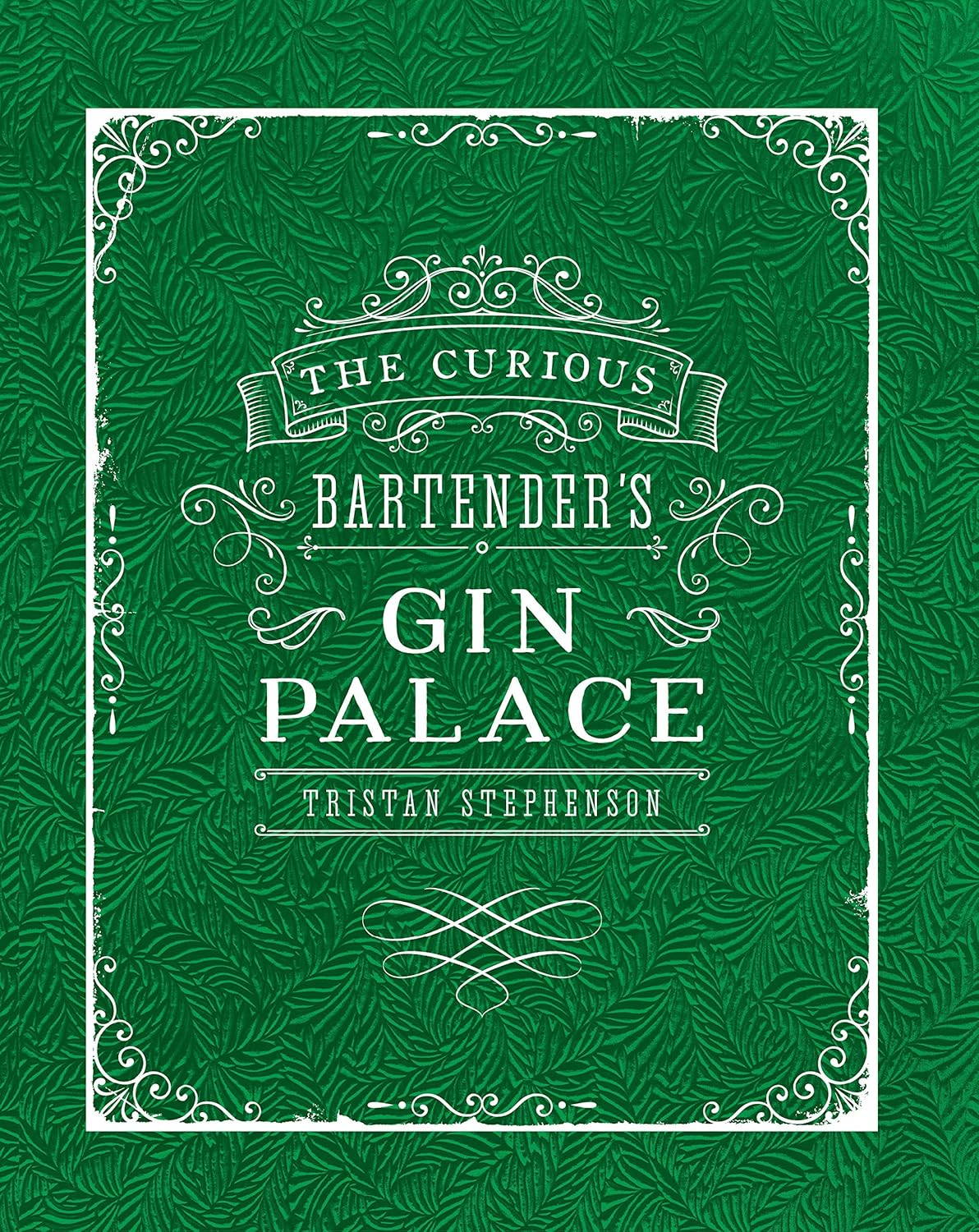
Ryland Peters & Small The Curious Bartender 4 Book Collection by Tristan Stephenson - Gin, Rum, Cocktails & Home Bartending - Hardback Set - Adult Non FictionThe Curious Bartender 4 Book Collection brings together four best-selling hardback titles from award-winning bartender and drinks writer Tristan Stephenson. This set covers gin, rum, home cocktail-making, and the story of the modern cocktail itself. The books pair deep spirits knowledge with genuinely usable technique, making them a rich resource for home bartenders, hospitality students, and anyone interested in the history and craft behind a well-made drink. The collection includes The Curious Bartender's Gin Palace, Rum Revolution, Cocktails At Home, and The Curious Bartender. It's a satisfying, gift-ready boxed collection for the cocktail enthusiast.38,99 £*Shipping: 0,00 £Secure redirect to the provider


-
What are examples of functions and examples of procedures?
Examples of functions include mathematical functions such as f(x) = 2x + 3, or programming functions that take inputs and produce outputs, such as a function that calculates the square root of a number. Examples of procedures include step-by-step instructions for completing a task, such as a recipe for baking a cake, or a set of guidelines for conducting a scientific experiment. Functions typically return a value, while procedures may not necessarily produce a specific output. **
-
Are these examples metaphors?
Yes, the examples provided are metaphors. Metaphors are figures of speech that make a comparison between two unlike things, without using the words "like" or "as." In the examples given, phrases such as "the world is a stage" and "time is a thief" are comparing two different concepts in a figurative way, making them metaphors. **
-
What examples are there?
Examples of what? Please provide more context or specify the topic you would like examples for. **
-
What are fair examples?
Fair examples are instances or cases that accurately represent a particular concept, idea, or situation without bias or distortion. They are used to illustrate a point or support an argument in a balanced and impartial manner. Fair examples are chosen based on their relevance, accuracy, and ability to provide a clear and unbiased representation of the topic at hand. In academic and professional settings, fair examples are essential for building a strong and credible argument. **


What are examples of bionics?
Examples of bionics include prosthetic limbs that mimic the function of natural limbs, such as the bionic hand developed by Open Bionics. Another example is the cochlear implant, a bionic device that restores hearing by directly stimulating the auditory nerve. Bionic eyes, like the Argus II Retinal Prosthesis System, are also a notable example, as they can help restore vision to individuals with certain types of blindness. **
What are examples of impermanence?
Examples of impermanence include the changing seasons, the growth and decay of living organisms, the shifting of relationships, and the passing of time. Natural disasters such as earthquakes and floods also demonstrate impermanence, as they can drastically alter landscapes and communities in a short period of time. Additionally, technological advancements and societal changes highlight how nothing remains the same forever. **
Top-Angebote
Products related to Examples:
-
Statistical Rethinking: A Bayesian Course with Examples in R and STAN (Chapman and Hall/CRC Texts in Statistical Science)Statistical Rethinking: A Bayesian Course with Examples in R and STAN (Chapman and Hall/CRC Texts in Statistical Science) Winner of the 2023 De Groot Prize awarded by the International Society for Bayesian Analysis (ISBA) Statistical Rethinking: A Bayesian Course with Examples in R and Stan builds your knowledge of and confidence in making inferences from data. Reflecting the need for scripting in today's model-based statistics, the book pushes you to perform step-by-step calculations that are usually automated. This unique computational approach ensures that you understand enough of the details to make reasonable choices and interpretations in your own modeling work. The text presents causal inference and generalized linear multilevel models from a simple Bayesian perspective that builds on information theory and maximum entropy. The core material ranges from the basics of regression to advanced multilevel models. It also presents measurement error, missing data, and Gaussian process models for spatial and phylogenetic confounding. The second edition emphasizes the directed acyclic graph (DAG) approach to causal inference, integrating DAGs into many examples. The new edition also contains new material on the design of prior distributions, splines, ordered categorical predictors, social relations models, cross-validation, importance sampling, instrumental variables, and Hamiltonian Monte Carlo. It ends with an entirely new chapter that goes beyond generalized linear modeling, showing how domain-specific scientific models can be built into statistical analyses. Features Integrates working code into the main text. Illustrates concepts through worked data analysis examples. Emphasizes understanding assumptions and how assumptions are reflected in code. Offers more detailed explanations of the mathematics in optional sections. Presents examples of using the dagitty R package to analyze causal graphs. Provides the rethinking R package on the author's website and on GitHub.59,99 £*Shipping: 0,00 £Secure redirect to the provider
-
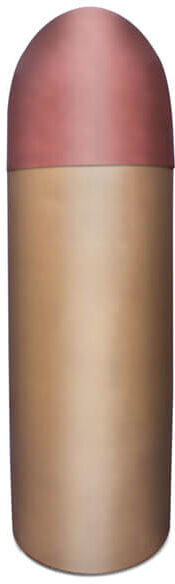
Mixology Bullet Cocktail ShakerFire up your party with this impressive Mixology Bullet Cocktail Shaker. This mighty cocktail shaker has a brass plated body with a copper plated tip, a generous 700ml capacity and a built in strainer. Approximate Mixology bullet cocktail shaker dimensions: H27cm x DIA7.5cm. Hand wash only. Supplied in a smart gift box.22,49 £*Shipping: 3,50 £Secure redirect to the provider
-
Do you need a shaker for cocktails?
While a shaker is not absolutely necessary for making cocktails, it is highly recommended for certain drinks that require thorough mixing or chilling. A shaker helps to combine ingredients effectively, chill the drink quickly, and create a nice frothy texture in some cocktails. However, if you don't have a shaker, you can use a mason jar or a mixing glass with a bar spoon as an alternative method. Ultimately, having a shaker can enhance your cocktail-making experience and help you achieve better results. **
-
Which cocktails can be prepared without a shaker?
Many cocktails can be prepared without a shaker, including simple mixed drinks like a rum and coke, gin and tonic, or vodka cranberry. These drinks can be made by simply pouring the ingredients directly into a glass and giving them a quick stir with a spoon. Other cocktails that can be made without a shaker include the classic Old Fashioned, which is made by muddling sugar and bitters in a glass, adding whiskey, and stirring with ice. Additionally, drinks like the Moscow Mule or Dark and Stormy can be made by combining the ingredients in a glass and giving them a gentle stir. **
-
What are examples of functions and examples of procedures?
Examples of functions include mathematical functions such as f(x) = 2x + 3, or programming functions that take inputs and produce outputs, such as a function that calculates the square root of a number. Examples of procedures include step-by-step instructions for completing a task, such as a recipe for baking a cake, or a set of guidelines for conducting a scientific experiment. Functions typically return a value, while procedures may not necessarily produce a specific output. **
-
Are these examples metaphors?
Yes, the examples provided are metaphors. Metaphors are figures of speech that make a comparison between two unlike things, without using the words "like" or "as." In the examples given, phrases such as "the world is a stage" and "time is a thief" are comparing two different concepts in a figurative way, making them metaphors. **
Similar search terms for Examples
-
HarperCollins Forager's Cocktails: Botanical Mixology With Fresh Ingredients By Samuel Glynn - Non Fiction - PaperbackTitle:. Forager’s Cocktails: Botanical Mixology With Fresh Ingredients Format: Paperback Overview:. Step into the world where wild herbs meet classic spirits with Forager’s Cocktails: Botanical Mixology With Fresh Ingredients, a masterclass in creating sophisticated drinks straight from your local landscape. Written by seasoned mixologist Samuel Glynn, this comprehensive guide bridges the gap between outdoor exploration and behind-the-bar artistry. Whether you are drawn to craft cocktails or simply enjoy experimenting with natural flavours in your evening glass, this book provides clear, step-by-step instructions for harvesting, preserving, and transforming garden-fresh and wild botanicals into memorable beverages. Each recipe is built around a seasonal framework, ensuring you always know which plants, flowers, fruits, and leaves are at their peak while delivering balanced, restaurant-quality results without relying on processed syrups or synthetic bitters. The volume does not simply offer a list of drink formulas; it teaches you how to listen to the changing seasons, understand flavour profiles, and build drinks that reflect your immediate environment. If you have ever wondered how to make elderflower cordial into a summer highball, turn freshly pickedrosemary into a smoky gin infusion, or preserve wild berries for winter sipping, this guide equips you with every technique required. It combines foundational mixology principles with practical environmental awareness, positioning itself as an essential reference table that evolves alongside your growing skills. What Makes This Book Stand Out:. What separates this title from standard cocktail manuals is its dedicated focus on botanical integrity and sustainable preparation methods. Glynn moves beyond conventional bar kits to show readers how to identify edible weeds, cultivate backyard garnishes, and extract authentic essence through dry distillation, cold infusion, and homemade shrub-making techniques. The instruction explicitly covers sourcing ethics, safe plant identification, and proper storage durations so every batch remains both vibrant and reliable. You will learn how to balance earthy green notes with bright citrus, sweet floral top notes, and deep resinous undertones using ingredients you might otherwise overlook during a woodland walk. The layout pairs each formula with precise measurement guidance and pairing suggestions for glassware and accompanying snacks, turning casual experimentation into repeatable mastery. Rather than prescribing expensive specialty products, the methodology encourages resourcefulness, reducing waste while elevating everyday spirit-forward classics through seasonal freshness. This deliberate emphasis on place-based mixology ensures that every finished glass tastes distinctly rooted in its origin, while the structured progressions guarantee consistent outcomes even for novice creators. Who This Book Is Perfect For:. This title serves home bartenders eager to move...9,99 £*Shipping: 2,99 £Secure redirect to the provider
-
Ryland Peters & Small The Curious Bartender 4 Book Collection by Tristan Stephenson - Gin, Rum, Cocktails & Home Bartending - Hardback Set - Adult Non FictionThe Curious Bartender 4 Book Collection brings together four best-selling hardback titles from award-winning bartender and drinks writer Tristan Stephenson. This set covers gin, rum, home cocktail-making, and the story of the modern cocktail itself. The books pair deep spirits knowledge with genuinely usable technique, making them a rich resource for home bartenders, hospitality students, and anyone interested in the history and craft behind a well-made drink. The collection includes The Curious Bartender's Gin Palace, Rum Revolution, Cocktails At Home, and The Curious Bartender. It's a satisfying, gift-ready boxed collection for the cocktail enthusiast.38,99 £*Shipping: 0,00 £Secure redirect to the provider
-
Touch of Mixology 14-Piece Gold Bartender Kit with Cocktail Shaker and Bamboo StandOrganize essential cocktail tools in one countertop display with this 14-piece gold bartender kit. The set combines stainless steel bar tools with a fitted bamboo stand, keeping the assortment visible and easy to reach on a bar cart or kitchen counter.49,91 $*Shipping: 0,00 $Secure redirect to the provider
-
The Art & Craft of Coffee Cocktails by Jason Clark - Non Fiction - HardbackTitle:. The Art & Craft of Coffee Cocktails Condition: BRAND NEW. Format: Hardcover Overview:. Embark on a sensory journey that starts at the root of your favorite drink—the coffee bean—and travels toward the artful cocktails it inspires. The Art & Craft of Coffee Cocktails blends history, technique, and tasting notes to illuminate how coffee transforms from crop to cup into bold, nuanced drinks. Inside, you’ll find practical mixing guidance crafted for everyone from curious beginners to seasoned bartenders in standout bars worldwide. The book guides you through more than 80 recipes that cover a full spectrum of styles—from stirred and shaken classics to blended and “blazed” innovations. You’ll learn to perfect timeless crowd-pleasers like Espresso Martini and Irish Coffee, while also exploring contemporary feats such as Golden Velvet and Death By Caffeine. With clear, accessible instructions and pro-level insights, this hardcover edition positions coffee cocktails not merely as beverages but as a daily ritual—an invitation to elevate both home bars and professional menus. If you’ve ever wanted to understand how coffee flavors mingle with spirits, syrups, and techniques, this book unlocks that craft and makes every pour feel intentional and inspiring. What Makes This Book Stand Out:. This book stands out by marrying deep coffee knowledge with practical cocktail mastery. It begins with a compelling crop-to-cup narrative that demystifies coffee’s flavours, origins, and grinding profiles, then translates that understanding into a toolkit for mixology. The author’s guidance speaks to a spectrum of readers: aspiring home bartenders seeking confidence, and professionals looking for precise technique and new ideas to refresh menus. The collection of recipes spans traditional and modern approaches, offering step-by-step methods for balancing acidity, intensity, and texture. Highlights like the Espresso Martini and Irish Coffee sit beside more technical feats such as Golden Velvet and Death By Caffeine, showcasing how coffee can anchor both comforting staples and showpiece drinks. The result is a practical, reference-worthy guide that invites ongoing experimentation while delivering reliable, repeatable results in real-world settings. Who This Book Is Perfect For:. This book is ideal for coffee lovers who crave more than a caffeine fix, and for cocktail enthusiasts eager to explore coffee-forward drinks. It suits home bartenders looking to expand their repertoire, bar professionals seeking fresh ideas for menus, and gift buyers hunting for a premium, unique present for coffee geeks and cocktail fans alike. It's also a strong choice for aspiring sommeliers and hospitality students wanting a tactile, recipe-driven resource that connects coffee craft with the art of mixology. Whether you’re entertaining at home, stocking a café bar, or curating a sophisticated drinks program, this hardcover guide provides both inspiration and practical know-how in a single,...9,27 £*Shipping: 2,99 £Secure redirect to the provider
-
What examples are there?
Examples of what? Please provide more context or specify the topic you would like examples for. **
-
What are fair examples?
Fair examples are instances or cases that accurately represent a particular concept, idea, or situation without bias or distortion. They are used to illustrate a point or support an argument in a balanced and impartial manner. Fair examples are chosen based on their relevance, accuracy, and ability to provide a clear and unbiased representation of the topic at hand. In academic and professional settings, fair examples are essential for building a strong and credible argument. **
-
What are examples of bionics?
Examples of bionics include prosthetic limbs that mimic the function of natural limbs, such as the bionic hand developed by Open Bionics. Another example is the cochlear implant, a bionic device that restores hearing by directly stimulating the auditory nerve. Bionic eyes, like the Argus II Retinal Prosthesis System, are also a notable example, as they can help restore vision to individuals with certain types of blindness. **
-
What are examples of impermanence?
Examples of impermanence include the changing seasons, the growth and decay of living organisms, the shifting of relationships, and the passing of time. Natural disasters such as earthquakes and floods also demonstrate impermanence, as they can drastically alter landscapes and communities in a short period of time. Additionally, technological advancements and societal changes highlight how nothing remains the same forever. **
* All prices are inclusive of VAT and, if applicable, plus shipping costs. The offer information is based on the details provided by the respective shop and is updated through automated processes. Real-time updates do not occur, so deviations can occur in individual cases. ** Note: Parts of this content were created by AI.