Buy americanbartender.eu ?
We are moving the project
americanbartender.eu .
Are you interested in purchasing the domain
americanbartender.eu ?
domain@kv-gmbh.de · 0541-91531010
Buy americanbartender.eu ?
What is the difference between Cash Crops and Food Crops?
Cash crops are crops that are grown primarily for sale and profit, such as cotton, tobacco, and coffee. Food crops, on the other hand, are crops that are grown for consumption, such as rice, wheat, and vegetables. While both types of crops are important for agriculture and the economy, cash crops are typically more profitable and are often exported, while food crops are essential for feeding populations locally and globally. **
What are the advantages and disadvantages of food crops and cash crops?
Food crops provide essential nutrients and sustenance for human consumption, ensuring food security and nutrition. They also contribute to local economies and support livelihoods. However, food crops may be more susceptible to environmental factors and market fluctuations, impacting farmers' income and food availability. On the other hand, cash crops generate income for farmers and can be more profitable due to higher market demand. However, focusing solely on cash crops may lead to food insecurity and dependency on a single crop, risking the loss of biodiversity and soil fertility. **

Similar search terms for Crops
Top-Angebote
Products related to Crops:
-
Kay Maguire RHS Grow Your Own Crops in Pots: 30 Step-by-Step Projects - Non Fiction - HardcoverTitle:. RHS Grow Your Own Crops in Pots: with 30 Step-by-Step Projects Condition: BRAND NEW. Format: Hardcover Overview:. RHS Grow Your Own Crops in Pots is the natural successor to Carol Klein's bestselling RHS Grow Your Own Veg, which has sold more than 300,000 copies since publication. With this hands-on guide, you can turn the tiniest space—balcony, patio, windowsill—into a productive, attractive plot. The book distills decades of RHS expertise into 30 tried-and-tested container recipes for top-tasting crop pairings such as tomato with basil, fresh fruit salads, and cut-and-come-again vegetables that keep your bowls full all season. It shows you the essential techniques every container-gardener should know—from choosing the right pots and soil to watering, feeding, and light management. The crop directory makes it easy to explore more than 60 vegetables, fruit, salads, herbs and edible flowers, so you can plan a diverse, rewarding harvest. Clear, actionable steps and practical tips suit first-timers and seasoned balcony growers alike, delivering a reliable path to home-grown goodness. Whether you are starting from scratch or upgrading a city plot, this RHS guide translates garden wisdom into practical routines you can fit around work and family life, turning a few pots into a thriving, quietly colourful edible landscape that rewards patience and curiosity. What Makes This Book Stand Out:. From a trusted horticultural authority, this guide blends practical, recipe-style container projects with rigorous, evidence-based growing advice. The 30 step-by-step projects are designed to fit real urban spaces, teaching you how to maximize yield from pots, planters and window boxes without sacrificing beauty. You'll learn which varieties perform best in pots, how to time sowing and succession, and how to manage watering and feeding for consistent crops. The crop directory expands your options beyond the included recipes, unlocking a wider, year-round harvest of vegetables, herbs and edible flowers. The book is visually engaging and sturdy enough for frequent use, and its clear organisation supports quick reference when you’re planning or planting. For a thoughtful gift, it blends education with everyday joy: fresh flavours, pride in progress, and the confidence that comes from growing your own food. Its design rewards careful reading and hands-on practice, turning learning into tangible harvests and kitchen successes. Who This Book Is Perfect For:. Urban gardeners with limited space, apartment dwellers, and anyone who loves fresh cooking but lacks a garden. It’s ideal for beginners learning the basics of container gardening, as well as more experienced growers seeking a structured, reliable approach to pots and planters. If you’re short on space but long for homegrown tomatoes, herbs, and colourful edible blooms, this book gives you a clear path and plenty of inspiration. It also makes a thoughtful gift for students, new homeowners, or foodie friends who...17,99 £*Shipping: 2,99 £Secure redirect to the provider
-
HarperCollins Forager's Cocktails: Botanical Mixology With Fresh Ingredients By Samuel Glynn - Non Fiction - PaperbackTitle:. Forager’s Cocktails: Botanical Mixology With Fresh Ingredients Format: Paperback Overview:. Step into the world where wild herbs meet classic spirits with Forager’s Cocktails: Botanical Mixology With Fresh Ingredients, a masterclass in creating sophisticated drinks straight from your local landscape. Written by seasoned mixologist Samuel Glynn, this comprehensive guide bridges the gap between outdoor exploration and behind-the-bar artistry. Whether you are drawn to craft cocktails or simply enjoy experimenting with natural flavours in your evening glass, this book provides clear, step-by-step instructions for harvesting, preserving, and transforming garden-fresh and wild botanicals into memorable beverages. Each recipe is built around a seasonal framework, ensuring you always know which plants, flowers, fruits, and leaves are at their peak while delivering balanced, restaurant-quality results without relying on processed syrups or synthetic bitters. The volume does not simply offer a list of drink formulas; it teaches you how to listen to the changing seasons, understand flavour profiles, and build drinks that reflect your immediate environment. If you have ever wondered how to make elderflower cordial into a summer highball, turn freshly pickedrosemary into a smoky gin infusion, or preserve wild berries for winter sipping, this guide equips you with every technique required. It combines foundational mixology principles with practical environmental awareness, positioning itself as an essential reference table that evolves alongside your growing skills. What Makes This Book Stand Out:. What separates this title from standard cocktail manuals is its dedicated focus on botanical integrity and sustainable preparation methods. Glynn moves beyond conventional bar kits to show readers how to identify edible weeds, cultivate backyard garnishes, and extract authentic essence through dry distillation, cold infusion, and homemade shrub-making techniques. The instruction explicitly covers sourcing ethics, safe plant identification, and proper storage durations so every batch remains both vibrant and reliable. You will learn how to balance earthy green notes with bright citrus, sweet floral top notes, and deep resinous undertones using ingredients you might otherwise overlook during a woodland walk. The layout pairs each formula with precise measurement guidance and pairing suggestions for glassware and accompanying snacks, turning casual experimentation into repeatable mastery. Rather than prescribing expensive specialty products, the methodology encourages resourcefulness, reducing waste while elevating everyday spirit-forward classics through seasonal freshness. This deliberate emphasis on place-based mixology ensures that every finished glass tastes distinctly rooted in its origin, while the structured progressions guarantee consistent outcomes even for novice creators. Who This Book Is Perfect For:. This title serves home bartenders eager to move...9,99 £*Shipping: 2,99 £Secure redirect to the provider


-
Is aquarium water harmful to crops?
Aquarium water can actually be beneficial to crops as it contains nutrients like nitrogen, phosphorus, and potassium that can act as a natural fertilizer. These nutrients can help promote plant growth and improve soil quality. However, it is important to monitor the pH levels of the aquarium water as some plants may be sensitive to fluctuations in pH. Overall, using aquarium water on crops can be a sustainable and eco-friendly way to nourish plants. **
-
Which film is about energy crops?
The film "Fuel" is about energy crops. It explores the potential of using renewable energy sources such as biofuels derived from crops like corn and soybeans as an alternative to fossil fuels. The documentary also delves into the environmental and economic impact of these energy crops, as well as the potential for sustainable energy solutions. **
-
What are the advantages of cash crops?
Cash crops have several advantages, including providing a stable source of income for farmers due to their high market demand. They also have the potential for higher profits compared to food crops. Additionally, cash crops can help boost the economy of a region or country by generating revenue through exports. Lastly, cash crops often require less labor and inputs compared to food crops, making them more cost-effective for farmers. **
-
What is the size of riding crops?
Riding crops typically range in size from 18 inches to 26 inches in length. The shaft of the crop is usually around 1/4 to 1/2 inch in diameter, with a small leather loop at one end for the rider to hold onto. The striking end of the crop is often narrow and flexible, designed to provide a light tap or correction to the horse. **


What are the benefits of cash crops?
Cash crops provide farmers with a reliable source of income as they are typically in high demand and can fetch a good price in the market. They also help to boost the economy of a region or country by generating revenue through exports. Additionally, cash crops can be grown alongside food crops, providing farmers with a diversified source of income and reducing their dependency on a single crop. **
What are the effects of cash crops?
Cash crops can have both positive and negative effects on the environment and local economies. On the positive side, cash crops can provide economic opportunities for farmers and contribute to overall economic growth. However, they can also lead to deforestation, soil degradation, and water pollution if not managed sustainably. Additionally, cash crops can sometimes lead to the displacement of food crops, which can have negative effects on local food security. Overall, the effects of cash crops depend on how they are managed and the specific context in which they are grown. **
Top-Angebote
Products related to Crops:
-
Seasalt Saltings Crops BasketMeet your new favourite crops, the Seasalt Saltings Crops in Basket. These straight-leg trousers are made from naturally cool and breathable linen, and have been garment-dyed for a rich colour with a lived-in look. With added thoughtful details like a grown-on waistband for a smooth finish, and little side splits in the hems for distinctive details. There are two large utility-style pockets to the front as well as two patch pockets at the back. Made from 100% Linen. Machine washable.35,00 £*Shipping: 3,50 £Secure redirect to the provider
-
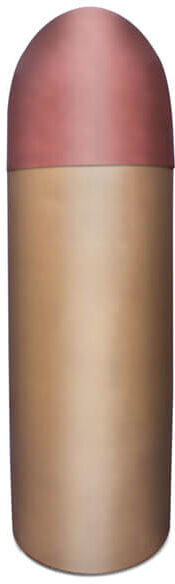
Mixology Bullet Cocktail ShakerFire up your party with this impressive Mixology Bullet Cocktail Shaker. This mighty cocktail shaker has a brass plated body with a copper plated tip, a generous 700ml capacity and a built in strainer. Approximate Mixology bullet cocktail shaker dimensions: H27cm x DIA7.5cm. Hand wash only. Supplied in a smart gift box.22,49 £*Shipping: 3,50 £Secure redirect to the provider
-
What is the difference between Cash Crops and Food Crops?
Cash crops are crops that are grown primarily for sale and profit, such as cotton, tobacco, and coffee. Food crops, on the other hand, are crops that are grown for consumption, such as rice, wheat, and vegetables. While both types of crops are important for agriculture and the economy, cash crops are typically more profitable and are often exported, while food crops are essential for feeding populations locally and globally. **
-
What are the advantages and disadvantages of food crops and cash crops?
Food crops provide essential nutrients and sustenance for human consumption, ensuring food security and nutrition. They also contribute to local economies and support livelihoods. However, food crops may be more susceptible to environmental factors and market fluctuations, impacting farmers' income and food availability. On the other hand, cash crops generate income for farmers and can be more profitable due to higher market demand. However, focusing solely on cash crops may lead to food insecurity and dependency on a single crop, risking the loss of biodiversity and soil fertility. **
-
Is aquarium water harmful to crops?
Aquarium water can actually be beneficial to crops as it contains nutrients like nitrogen, phosphorus, and potassium that can act as a natural fertilizer. These nutrients can help promote plant growth and improve soil quality. However, it is important to monitor the pH levels of the aquarium water as some plants may be sensitive to fluctuations in pH. Overall, using aquarium water on crops can be a sustainable and eco-friendly way to nourish plants. **
-
Which film is about energy crops?
The film "Fuel" is about energy crops. It explores the potential of using renewable energy sources such as biofuels derived from crops like corn and soybeans as an alternative to fossil fuels. The documentary also delves into the environmental and economic impact of these energy crops, as well as the potential for sustainable energy solutions. **
Similar search terms for Crops
-
Kay Maguire RHS Grow Your Own Crops in Pots: 30 Step-by-Step Projects - Non Fiction - HardcoverTitle:. RHS Grow Your Own Crops in Pots: with 30 Step-by-Step Projects Condition: BRAND NEW. Format: Hardcover Overview:. RHS Grow Your Own Crops in Pots is the natural successor to Carol Klein's bestselling RHS Grow Your Own Veg, which has sold more than 300,000 copies since publication. With this hands-on guide, you can turn the tiniest space—balcony, patio, windowsill—into a productive, attractive plot. The book distills decades of RHS expertise into 30 tried-and-tested container recipes for top-tasting crop pairings such as tomato with basil, fresh fruit salads, and cut-and-come-again vegetables that keep your bowls full all season. It shows you the essential techniques every container-gardener should know—from choosing the right pots and soil to watering, feeding, and light management. The crop directory makes it easy to explore more than 60 vegetables, fruit, salads, herbs and edible flowers, so you can plan a diverse, rewarding harvest. Clear, actionable steps and practical tips suit first-timers and seasoned balcony growers alike, delivering a reliable path to home-grown goodness. Whether you are starting from scratch or upgrading a city plot, this RHS guide translates garden wisdom into practical routines you can fit around work and family life, turning a few pots into a thriving, quietly colourful edible landscape that rewards patience and curiosity. What Makes This Book Stand Out:. From a trusted horticultural authority, this guide blends practical, recipe-style container projects with rigorous, evidence-based growing advice. The 30 step-by-step projects are designed to fit real urban spaces, teaching you how to maximize yield from pots, planters and window boxes without sacrificing beauty. You'll learn which varieties perform best in pots, how to time sowing and succession, and how to manage watering and feeding for consistent crops. The crop directory expands your options beyond the included recipes, unlocking a wider, year-round harvest of vegetables, herbs and edible flowers. The book is visually engaging and sturdy enough for frequent use, and its clear organisation supports quick reference when you’re planning or planting. For a thoughtful gift, it blends education with everyday joy: fresh flavours, pride in progress, and the confidence that comes from growing your own food. Its design rewards careful reading and hands-on practice, turning learning into tangible harvests and kitchen successes. Who This Book Is Perfect For:. Urban gardeners with limited space, apartment dwellers, and anyone who loves fresh cooking but lacks a garden. It’s ideal for beginners learning the basics of container gardening, as well as more experienced growers seeking a structured, reliable approach to pots and planters. If you’re short on space but long for homegrown tomatoes, herbs, and colourful edible blooms, this book gives you a clear path and plenty of inspiration. It also makes a thoughtful gift for students, new homeowners, or foodie friends who...17,99 £*Shipping: 2,99 £Secure redirect to the provider
-
HarperCollins Forager's Cocktails: Botanical Mixology With Fresh Ingredients By Samuel Glynn - Non Fiction - PaperbackTitle:. Forager’s Cocktails: Botanical Mixology With Fresh Ingredients Format: Paperback Overview:. Step into the world where wild herbs meet classic spirits with Forager’s Cocktails: Botanical Mixology With Fresh Ingredients, a masterclass in creating sophisticated drinks straight from your local landscape. Written by seasoned mixologist Samuel Glynn, this comprehensive guide bridges the gap between outdoor exploration and behind-the-bar artistry. Whether you are drawn to craft cocktails or simply enjoy experimenting with natural flavours in your evening glass, this book provides clear, step-by-step instructions for harvesting, preserving, and transforming garden-fresh and wild botanicals into memorable beverages. Each recipe is built around a seasonal framework, ensuring you always know which plants, flowers, fruits, and leaves are at their peak while delivering balanced, restaurant-quality results without relying on processed syrups or synthetic bitters. The volume does not simply offer a list of drink formulas; it teaches you how to listen to the changing seasons, understand flavour profiles, and build drinks that reflect your immediate environment. If you have ever wondered how to make elderflower cordial into a summer highball, turn freshly pickedrosemary into a smoky gin infusion, or preserve wild berries for winter sipping, this guide equips you with every technique required. It combines foundational mixology principles with practical environmental awareness, positioning itself as an essential reference table that evolves alongside your growing skills. What Makes This Book Stand Out:. What separates this title from standard cocktail manuals is its dedicated focus on botanical integrity and sustainable preparation methods. Glynn moves beyond conventional bar kits to show readers how to identify edible weeds, cultivate backyard garnishes, and extract authentic essence through dry distillation, cold infusion, and homemade shrub-making techniques. The instruction explicitly covers sourcing ethics, safe plant identification, and proper storage durations so every batch remains both vibrant and reliable. You will learn how to balance earthy green notes with bright citrus, sweet floral top notes, and deep resinous undertones using ingredients you might otherwise overlook during a woodland walk. The layout pairs each formula with precise measurement guidance and pairing suggestions for glassware and accompanying snacks, turning casual experimentation into repeatable mastery. Rather than prescribing expensive specialty products, the methodology encourages resourcefulness, reducing waste while elevating everyday spirit-forward classics through seasonal freshness. This deliberate emphasis on place-based mixology ensures that every finished glass tastes distinctly rooted in its origin, while the structured progressions guarantee consistent outcomes even for novice creators. Who This Book Is Perfect For:. This title serves home bartenders eager to move...9,99 £*Shipping: 2,99 £Secure redirect to the provider
-
Ryland Peters & Small The Curious Bartender 4 Book Collection by Tristan Stephenson - Gin, Rum, Cocktails & Home Bartending - Hardback Set - Adult Non FictionThe Curious Bartender 4 Book Collection brings together four best-selling hardback titles from award-winning bartender and drinks writer Tristan Stephenson. This set covers gin, rum, home cocktail-making, and the story of the modern cocktail itself. The books pair deep spirits knowledge with genuinely usable technique, making them a rich resource for home bartenders, hospitality students, and anyone interested in the history and craft behind a well-made drink. The collection includes The Curious Bartender's Gin Palace, Rum Revolution, Cocktails At Home, and The Curious Bartender. It's a satisfying, gift-ready boxed collection for the cocktail enthusiast.38,99 £*Shipping: 0,00 £Secure redirect to the provider
-
Touch of Mixology 14-Piece Gold Bartender Kit with Cocktail Shaker and Bamboo StandOrganize essential cocktail tools in one countertop display with this 14-piece gold bartender kit. The set combines stainless steel bar tools with a fitted bamboo stand, keeping the assortment visible and easy to reach on a bar cart or kitchen counter.49,91 $*Shipping: 0,00 $Secure redirect to the provider
-
What are the advantages of cash crops?
Cash crops have several advantages, including providing a stable source of income for farmers due to their high market demand. They also have the potential for higher profits compared to food crops. Additionally, cash crops can help boost the economy of a region or country by generating revenue through exports. Lastly, cash crops often require less labor and inputs compared to food crops, making them more cost-effective for farmers. **
-
What is the size of riding crops?
Riding crops typically range in size from 18 inches to 26 inches in length. The shaft of the crop is usually around 1/4 to 1/2 inch in diameter, with a small leather loop at one end for the rider to hold onto. The striking end of the crop is often narrow and flexible, designed to provide a light tap or correction to the horse. **
-
What are the benefits of cash crops?
Cash crops provide farmers with a reliable source of income as they are typically in high demand and can fetch a good price in the market. They also help to boost the economy of a region or country by generating revenue through exports. Additionally, cash crops can be grown alongside food crops, providing farmers with a diversified source of income and reducing their dependency on a single crop. **
-
What are the effects of cash crops?
Cash crops can have both positive and negative effects on the environment and local economies. On the positive side, cash crops can provide economic opportunities for farmers and contribute to overall economic growth. However, they can also lead to deforestation, soil degradation, and water pollution if not managed sustainably. Additionally, cash crops can sometimes lead to the displacement of food crops, which can have negative effects on local food security. Overall, the effects of cash crops depend on how they are managed and the specific context in which they are grown. **
* All prices are inclusive of VAT and, if applicable, plus shipping costs. The offer information is based on the details provided by the respective shop and is updated through automated processes. Real-time updates do not occur, so deviations can occur in individual cases. ** Note: Parts of this content were created by AI.