Buy americanbartender.eu ?
We are moving the project
americanbartender.eu .
Are you interested in purchasing the domain
americanbartender.eu ?
domain@kv-gmbh.de · 0541-91531010
Buy americanbartender.eu ?
Why can't winter have blue leaves?
Winter can't have blue leaves because the color of leaves is determined by the presence of chlorophyll, which gives them their green color. In winter, the chlorophyll breaks down and the other pigments in the leaves, such as carotenoids and anthocyanins, become more visible, giving the leaves their yellow, orange, and red hues. Blue pigments are not typically present in leaves, so they cannot turn blue in the winter. **
Do you need a shaker for cocktails?
While a shaker is not absolutely necessary for making cocktails, it is highly recommended for certain drinks that require thorough mixing or chilling. A shaker helps to combine ingredients effectively, chill the drink quickly, and create a nice frothy texture in some cocktails. However, if you don't have a shaker, you can use a mason jar or a mixing glass with a bar spoon as an alternative method. Ultimately, having a shaker can enhance your cocktail-making experience and help you achieve better results. **


Similar search terms for Chesapeake-Pinnate-Blue-Leaves
Top-Angebote
Products related to Chesapeake-Pinnate-Blue-Leaves:
-
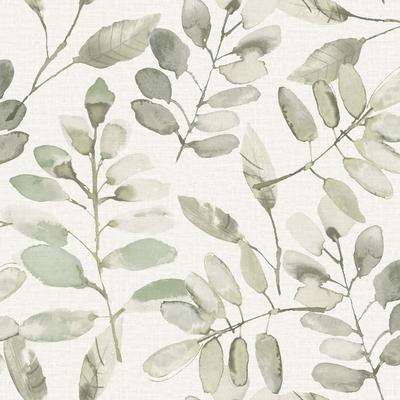
Chesapeake Pinnate Salmon Leaves WallpaperBring the outdoors in with this serene botanical design featuring lush fronds inked in soft shades of pink, mauve, grey, and beige watercolors against a cream backdrop imbued with a loose, linen weave.102,00 $*Shipping: 0,00 $Secure redirect to the provider



-
How can one propagate cuttings of the Blue Paul vine with small leaves?
To propagate cuttings of the Blue Paul vine with small leaves, you can start by taking a cutting from a healthy, mature plant. Make sure the cutting has at least one node, which is where the roots will develop. Remove any lower leaves to expose the node, then dip the cut end in rooting hormone to encourage root growth. Plant the cutting in a well-draining soil mix, keep it consistently moist, and place it in a warm, humid environment with indirect sunlight. With proper care and attention, the cutting should develop roots and eventually grow into a new Blue Paul vine plant. **
-
How can one propagate cuttings of the Blue Paul plant with small leaves?
To propagate cuttings of the Blue Paul plant with small leaves, you can start by taking 4-6 inch cuttings from the healthy, non-flowering stems of the plant. Remove the lower leaves from the cuttings and dip the cut ends in a rooting hormone to encourage root development. Plant the cuttings in a well-draining potting mix and keep them in a warm, humid environment with indirect light. Mist the cuttings regularly to keep the soil moist and encourage root growth. After a few weeks, the cuttings should develop roots and can be transplanted into individual pots. **
-
Do my oleander have bright to silvery blue leaves, even the brand new ones?
No, oleander plants typically have dark green leaves, not bright to silvery blue. The new leaves may appear lighter in color, but they will still be a shade of green. If your oleander has bright to silvery blue leaves, it may be a different plant species or variety. **
-
Does my oleander have bright to silvery blue leaves, even the brand new ones?
Oleander plants typically have dark green leaves, so if your oleander has bright to silvery blue leaves, especially on the new growth, it may indicate a nutrient deficiency or a pest infestation. It's important to inspect the plant for any signs of pests or disease and to ensure that it is receiving the proper nutrients and care. If the issue persists, it may be helpful to consult with a gardening expert or horticulturist for further guidance. **


Which cocktails can be prepared without a shaker?
Many cocktails can be prepared without a shaker, including simple mixed drinks like a rum and coke, gin and tonic, or vodka cranberry. These drinks can be made by simply pouring the ingredients directly into a glass and giving them a quick stir with a spoon. Other cocktails that can be made without a shaker include the classic Old Fashioned, which is made by muddling sugar and bitters in a glass, adding whiskey, and stirring with ice. Additionally, drinks like the Moscow Mule or Dark and Stormy can be made by combining the ingredients in a glass and giving them a gentle stir. **
Are walking leaves allowed to eat raspberry leaves?
Walking leaves, also known as leaf insects, are herbivorous and primarily feed on the leaves of certain plants. Raspberry leaves are safe for them to eat and can be a part of their diet. However, it's important to ensure that the raspberry leaves are free from any pesticides or chemicals that could be harmful to the walking leaves. Additionally, it's always a good idea to provide a varied diet for walking leaves to ensure they receive all the necessary nutrients. **
Top-Angebote
Products related to Chesapeake-Pinnate-Blue-Leaves:
-
Chesapeake Pinnate Blue Leaves WallpaperIncorporate a hand-painted botanical element into your space with this serene wallpaper. Leafy stems are painted with watercolor blues along an off-white, faux linen backdrop. Pinnate is a prepasted, non woven blend wallpaper.102,00 $*Shipping: 0,00 $Secure redirect to the provider
-
Chesapeake Pinnate Salmon Leaves WallpaperBring the outdoors in with this serene botanical design featuring lush fronds inked in soft shades of pink, mauve, grey, and beige watercolors against a cream backdrop imbued with a loose, linen weave.102,00 $*Shipping: 0,00 $Secure redirect to the provider
-
Why can't winter have blue leaves?
Winter can't have blue leaves because the color of leaves is determined by the presence of chlorophyll, which gives them their green color. In winter, the chlorophyll breaks down and the other pigments in the leaves, such as carotenoids and anthocyanins, become more visible, giving the leaves their yellow, orange, and red hues. Blue pigments are not typically present in leaves, so they cannot turn blue in the winter. **
-
Do you need a shaker for cocktails?
While a shaker is not absolutely necessary for making cocktails, it is highly recommended for certain drinks that require thorough mixing or chilling. A shaker helps to combine ingredients effectively, chill the drink quickly, and create a nice frothy texture in some cocktails. However, if you don't have a shaker, you can use a mason jar or a mixing glass with a bar spoon as an alternative method. Ultimately, having a shaker can enhance your cocktail-making experience and help you achieve better results. **
-
How can one propagate cuttings of the Blue Paul vine with small leaves?
To propagate cuttings of the Blue Paul vine with small leaves, you can start by taking a cutting from a healthy, mature plant. Make sure the cutting has at least one node, which is where the roots will develop. Remove any lower leaves to expose the node, then dip the cut end in rooting hormone to encourage root growth. Plant the cutting in a well-draining soil mix, keep it consistently moist, and place it in a warm, humid environment with indirect sunlight. With proper care and attention, the cutting should develop roots and eventually grow into a new Blue Paul vine plant. **
-
How can one propagate cuttings of the Blue Paul plant with small leaves?
To propagate cuttings of the Blue Paul plant with small leaves, you can start by taking 4-6 inch cuttings from the healthy, non-flowering stems of the plant. Remove the lower leaves from the cuttings and dip the cut ends in a rooting hormone to encourage root development. Plant the cuttings in a well-draining potting mix and keep them in a warm, humid environment with indirect light. Mist the cuttings regularly to keep the soil moist and encourage root growth. After a few weeks, the cuttings should develop roots and can be transplanted into individual pots. **
Similar search terms for Chesapeake-Pinnate-Blue-Leaves
-
Do my oleander have bright to silvery blue leaves, even the brand new ones?
No, oleander plants typically have dark green leaves, not bright to silvery blue. The new leaves may appear lighter in color, but they will still be a shade of green. If your oleander has bright to silvery blue leaves, it may be a different plant species or variety. **
-
Does my oleander have bright to silvery blue leaves, even the brand new ones?
Oleander plants typically have dark green leaves, so if your oleander has bright to silvery blue leaves, especially on the new growth, it may indicate a nutrient deficiency or a pest infestation. It's important to inspect the plant for any signs of pests or disease and to ensure that it is receiving the proper nutrients and care. If the issue persists, it may be helpful to consult with a gardening expert or horticulturist for further guidance. **
-
Which cocktails can be prepared without a shaker?
Many cocktails can be prepared without a shaker, including simple mixed drinks like a rum and coke, gin and tonic, or vodka cranberry. These drinks can be made by simply pouring the ingredients directly into a glass and giving them a quick stir with a spoon. Other cocktails that can be made without a shaker include the classic Old Fashioned, which is made by muddling sugar and bitters in a glass, adding whiskey, and stirring with ice. Additionally, drinks like the Moscow Mule or Dark and Stormy can be made by combining the ingredients in a glass and giving them a gentle stir. **
-
Are walking leaves allowed to eat raspberry leaves?
Walking leaves, also known as leaf insects, are herbivorous and primarily feed on the leaves of certain plants. Raspberry leaves are safe for them to eat and can be a part of their diet. However, it's important to ensure that the raspberry leaves are free from any pesticides or chemicals that could be harmful to the walking leaves. Additionally, it's always a good idea to provide a varied diet for walking leaves to ensure they receive all the necessary nutrients. **
* All prices are inclusive of VAT and, if applicable, plus shipping costs. The offer information is based on the details provided by the respective shop and is updated through automated processes. Real-time updates do not occur, so deviations can occur in individual cases. ** Note: Parts of this content were created by AI.