Buy americanbartender.eu ?
We are moving the project
americanbartender.eu .
Are you interested in purchasing the domain
americanbartender.eu ?
domain@kv-gmbh.de · 0541-91531010
Buy americanbartender.eu ?
Wine tavern or wine bar?
A wine tavern typically refers to a traditional, casual establishment that serves wine along with simple, hearty food in a cozy, rustic setting. On the other hand, a wine bar is often a more modern and upscale establishment that focuses on offering a wide selection of wines, often with a more sophisticated atmosphere and a menu that may include small plates or gourmet dishes. Both offer a unique experience and cater to different preferences, so the choice between the two depends on the desired ambiance and dining experience. **
Do you need a shaker for cocktails?
While a shaker is not absolutely necessary for making cocktails, it is highly recommended for certain drinks that require thorough mixing or chilling. A shaker helps to combine ingredients effectively, chill the drink quickly, and create a nice frothy texture in some cocktails. However, if you don't have a shaker, you can use a mason jar or a mixing glass with a bar spoon as an alternative method. Ultimately, having a shaker can enhance your cocktail-making experience and help you achieve better results. **
Similar search terms for Wine
Top-Angebote
Products related to Wine:
-
Daily Deals Depot Arctic Chill Silicone Ice Cube Maker Bucket For Whiskey, Cocktails & Wine Arctic Chill Silicone Ice Cube Maker Bucket For Whiskey, Cocktails & WineEnjoy perfectly chilled drinks anytime without the hassle of traditional trays. This innovative ice cube maker1pcs creates and stores ice in one compact design, making it ideal for whiskey lovers, cocktail enthusiasts, and everyday home use. Crafted...43,97 $*Shipping: 0,00 $Secure redirect to the provider
-
HarperCollins Forager's Cocktails: Botanical Mixology With Fresh Ingredients By Samuel Glynn - Non Fiction - PaperbackTitle:. Forager’s Cocktails: Botanical Mixology With Fresh Ingredients Format: Paperback Overview:. Step into the world where wild herbs meet classic spirits with Forager’s Cocktails: Botanical Mixology With Fresh Ingredients, a masterclass in creating sophisticated drinks straight from your local landscape. Written by seasoned mixologist Samuel Glynn, this comprehensive guide bridges the gap between outdoor exploration and behind-the-bar artistry. Whether you are drawn to craft cocktails or simply enjoy experimenting with natural flavours in your evening glass, this book provides clear, step-by-step instructions for harvesting, preserving, and transforming garden-fresh and wild botanicals into memorable beverages. Each recipe is built around a seasonal framework, ensuring you always know which plants, flowers, fruits, and leaves are at their peak while delivering balanced, restaurant-quality results without relying on processed syrups or synthetic bitters. The volume does not simply offer a list of drink formulas; it teaches you how to listen to the changing seasons, understand flavour profiles, and build drinks that reflect your immediate environment. If you have ever wondered how to make elderflower cordial into a summer highball, turn freshly pickedrosemary into a smoky gin infusion, or preserve wild berries for winter sipping, this guide equips you with every technique required. It combines foundational mixology principles with practical environmental awareness, positioning itself as an essential reference table that evolves alongside your growing skills. What Makes This Book Stand Out:. What separates this title from standard cocktail manuals is its dedicated focus on botanical integrity and sustainable preparation methods. Glynn moves beyond conventional bar kits to show readers how to identify edible weeds, cultivate backyard garnishes, and extract authentic essence through dry distillation, cold infusion, and homemade shrub-making techniques. The instruction explicitly covers sourcing ethics, safe plant identification, and proper storage durations so every batch remains both vibrant and reliable. You will learn how to balance earthy green notes with bright citrus, sweet floral top notes, and deep resinous undertones using ingredients you might otherwise overlook during a woodland walk. The layout pairs each formula with precise measurement guidance and pairing suggestions for glassware and accompanying snacks, turning casual experimentation into repeatable mastery. Rather than prescribing expensive specialty products, the methodology encourages resourcefulness, reducing waste while elevating everyday spirit-forward classics through seasonal freshness. This deliberate emphasis on place-based mixology ensures that every finished glass tastes distinctly rooted in its origin, while the structured progressions guarantee consistent outcomes even for novice creators. Who This Book Is Perfect For:. This title serves home bartenders eager to move...9,99 £*Shipping: 2,99 £Secure redirect to the provider
-
Combo Retail Shop Unique Shape Wine Box Ornaments, Mini Bar Wine Cabinet, Champagne Storage Box, Craft Decoration For Home Bar Unique Shape Wine Box Ornaments, Mini Bar Wine Cabinet, Champagne Storage Box, Craft Decoration For Home BarAdd a touch of elegance to your home bar with the Unique Shape Wine Box Ornaments. Crafted for those who appreciate both style and function, this mini bar wine cabinet is a perfect blend of craftsmanship and creativity. It serves as a champagne...92,97 $*Shipping: 0,00 $Secure redirect to the provider


-
Which wine is preferred with lasagna, white wine or red wine?
Red wine is generally preferred with lasagna because its bold flavors and tannins complement the richness of the tomato sauce and cheese in the dish. The acidity in red wine also helps to cut through the richness of the lasagna, creating a balanced and enjoyable pairing. While some people may enjoy a white wine with a lighter, seafood-based lasagna, the majority of wine experts and enthusiasts would recommend a red wine, such as a Chianti or Sangiovese, to accompany a traditional meat or vegetable lasagna. **
-
Which cocktails can be prepared without a shaker?
Many cocktails can be prepared without a shaker, including simple mixed drinks like a rum and coke, gin and tonic, or vodka cranberry. These drinks can be made by simply pouring the ingredients directly into a glass and giving them a quick stir with a spoon. Other cocktails that can be made without a shaker include the classic Old Fashioned, which is made by muddling sugar and bitters in a glass, adding whiskey, and stirring with ice. Additionally, drinks like the Moscow Mule or Dark and Stormy can be made by combining the ingredients in a glass and giving them a gentle stir. **
-
Where can you sell wine sparkling wine?
You can sell wine sparkling wine in a variety of places, including liquor stores, wine shops, specialty food stores, online marketplaces, and even directly to restaurants and bars. Additionally, you can sell sparkling wine at farmers' markets, wine festivals, and through wine clubs or subscription services. It's important to consider your target market and distribution channels when deciding where to sell your sparkling wine. **
-
Is apple wine not wine at all?
Apple wine is indeed a type of wine, made from the fermentation of apple juice. It is similar to grape wine in that it undergoes a fermentation process to produce alcohol. While it may not be as well-known as grape wine, apple wine is still considered a legitimate and distinct type of wine. Therefore, it is inaccurate to say that apple wine is not wine at all. **


Why are wine gums called wine gums?
Wine gums are called wine gums because they were originally made with a small amount of wine or wine flavoring. The name "wine gums" was likely chosen to reflect the traditional wine flavor and to appeal to adults. However, most modern wine gums do not contain any alcohol and are simply fruit-flavored chewy candies. The name has stuck over the years, even though the original connection to wine is no longer present in the ingredients. **
Why are wine gums called wine gums even though they don't contain wine?
Wine gums are called wine gums because they were originally created to have a subtle flavor similar to that of wine. The name "wine gums" was chosen to reflect the sophisticated and adult-oriented nature of the candy. However, despite the name, wine gums do not actually contain any wine or alcohol. Instead, they are simply fruit-flavored, chewy candies that have no connection to wine other than their name. **
Top-Angebote
Products related to Wine:
-
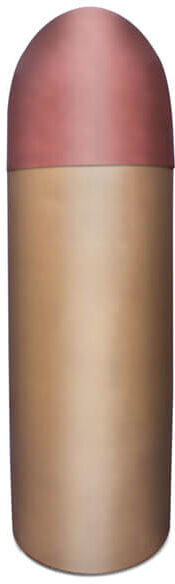
Mixology Bullet Cocktail ShakerFire up your party with this impressive Mixology Bullet Cocktail Shaker. This mighty cocktail shaker has a brass plated body with a copper plated tip, a generous 700ml capacity and a built in strainer. Approximate Mixology bullet cocktail shaker dimensions: H27cm x DIA7.5cm. Hand wash only. Supplied in a smart gift box.22,49 £*Shipping: 3,50 £Secure redirect to the provider
-
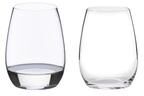
RIEDEL The O Wine Tumbler Spirits/Fortified Wines/Cask Aged BrandiesThe Spirits glass is perfect for harmonising the aroma and the taste of spirits, tempering the alcohol and the stringency of the palate and emphasizing the bouquet. The slim, flute-shaped bowl allows its contents a very small evaporation surface.39,00 $*Shipping: 0,00 $Secure redirect to the provider
-
Daily Deals Depot Arctic Chill Silicone Ice Cube Maker Bucket For Whiskey, Cocktails & Wine Arctic Chill Silicone Ice Cube Maker Bucket For Whiskey, Cocktails & WineEnjoy perfectly chilled drinks anytime without the hassle of traditional trays. This innovative ice cube maker1pcs creates and stores ice in one compact design, making it ideal for whiskey lovers, cocktail enthusiasts, and everyday home use. Crafted...43,97 $*Shipping: 0,00 $Secure redirect to the provider
-
HarperCollins Forager's Cocktails: Botanical Mixology With Fresh Ingredients By Samuel Glynn - Non Fiction - PaperbackTitle:. Forager’s Cocktails: Botanical Mixology With Fresh Ingredients Format: Paperback Overview:. Step into the world where wild herbs meet classic spirits with Forager’s Cocktails: Botanical Mixology With Fresh Ingredients, a masterclass in creating sophisticated drinks straight from your local landscape. Written by seasoned mixologist Samuel Glynn, this comprehensive guide bridges the gap between outdoor exploration and behind-the-bar artistry. Whether you are drawn to craft cocktails or simply enjoy experimenting with natural flavours in your evening glass, this book provides clear, step-by-step instructions for harvesting, preserving, and transforming garden-fresh and wild botanicals into memorable beverages. Each recipe is built around a seasonal framework, ensuring you always know which plants, flowers, fruits, and leaves are at their peak while delivering balanced, restaurant-quality results without relying on processed syrups or synthetic bitters. The volume does not simply offer a list of drink formulas; it teaches you how to listen to the changing seasons, understand flavour profiles, and build drinks that reflect your immediate environment. If you have ever wondered how to make elderflower cordial into a summer highball, turn freshly pickedrosemary into a smoky gin infusion, or preserve wild berries for winter sipping, this guide equips you with every technique required. It combines foundational mixology principles with practical environmental awareness, positioning itself as an essential reference table that evolves alongside your growing skills. What Makes This Book Stand Out:. What separates this title from standard cocktail manuals is its dedicated focus on botanical integrity and sustainable preparation methods. Glynn moves beyond conventional bar kits to show readers how to identify edible weeds, cultivate backyard garnishes, and extract authentic essence through dry distillation, cold infusion, and homemade shrub-making techniques. The instruction explicitly covers sourcing ethics, safe plant identification, and proper storage durations so every batch remains both vibrant and reliable. You will learn how to balance earthy green notes with bright citrus, sweet floral top notes, and deep resinous undertones using ingredients you might otherwise overlook during a woodland walk. The layout pairs each formula with precise measurement guidance and pairing suggestions for glassware and accompanying snacks, turning casual experimentation into repeatable mastery. Rather than prescribing expensive specialty products, the methodology encourages resourcefulness, reducing waste while elevating everyday spirit-forward classics through seasonal freshness. This deliberate emphasis on place-based mixology ensures that every finished glass tastes distinctly rooted in its origin, while the structured progressions guarantee consistent outcomes even for novice creators. Who This Book Is Perfect For:. This title serves home bartenders eager to move...9,99 £*Shipping: 2,99 £Secure redirect to the provider
-
Wine tavern or wine bar?
A wine tavern typically refers to a traditional, casual establishment that serves wine along with simple, hearty food in a cozy, rustic setting. On the other hand, a wine bar is often a more modern and upscale establishment that focuses on offering a wide selection of wines, often with a more sophisticated atmosphere and a menu that may include small plates or gourmet dishes. Both offer a unique experience and cater to different preferences, so the choice between the two depends on the desired ambiance and dining experience. **
-
Do you need a shaker for cocktails?
While a shaker is not absolutely necessary for making cocktails, it is highly recommended for certain drinks that require thorough mixing or chilling. A shaker helps to combine ingredients effectively, chill the drink quickly, and create a nice frothy texture in some cocktails. However, if you don't have a shaker, you can use a mason jar or a mixing glass with a bar spoon as an alternative method. Ultimately, having a shaker can enhance your cocktail-making experience and help you achieve better results. **
-
Which wine is preferred with lasagna, white wine or red wine?
Red wine is generally preferred with lasagna because its bold flavors and tannins complement the richness of the tomato sauce and cheese in the dish. The acidity in red wine also helps to cut through the richness of the lasagna, creating a balanced and enjoyable pairing. While some people may enjoy a white wine with a lighter, seafood-based lasagna, the majority of wine experts and enthusiasts would recommend a red wine, such as a Chianti or Sangiovese, to accompany a traditional meat or vegetable lasagna. **
-
Which cocktails can be prepared without a shaker?
Many cocktails can be prepared without a shaker, including simple mixed drinks like a rum and coke, gin and tonic, or vodka cranberry. These drinks can be made by simply pouring the ingredients directly into a glass and giving them a quick stir with a spoon. Other cocktails that can be made without a shaker include the classic Old Fashioned, which is made by muddling sugar and bitters in a glass, adding whiskey, and stirring with ice. Additionally, drinks like the Moscow Mule or Dark and Stormy can be made by combining the ingredients in a glass and giving them a gentle stir. **
Similar search terms for Wine
-
Combo Retail Shop Unique Shape Wine Box Ornaments, Mini Bar Wine Cabinet, Champagne Storage Box, Craft Decoration For Home Bar Unique Shape Wine Box Ornaments, Mini Bar Wine Cabinet, Champagne Storage Box, Craft Decoration For Home BarAdd a touch of elegance to your home bar with the Unique Shape Wine Box Ornaments. Crafted for those who appreciate both style and function, this mini bar wine cabinet is a perfect blend of craftsmanship and creativity. It serves as a champagne...92,97 $*Shipping: 0,00 $Secure redirect to the provider
-
Tom Gilbey & Ian Buxton & Dave Broom Wine And Spirits Knowledge And Guides 3 Books Collection Set - Non Fiction - HardcoverTitles in This Set:. Thirsty: 100 Great Wines and Stories by the Wine Guy. 101 Gins: To Try Before You Die. Gin: The Manual Condition: BRAND NEW. Format: Hardcover. ISBN: 9789124251291 Overview:. This three-book collection bundles together essential guides for wine lovers and gin enthusiasts, delivering both storytelling allure and practical know‑how in a single, beautifully produced hardcover set. Thirsty: 100 Great Wines and Stories by the Wine Guy invites readers into the life and family history behind wine, weaving personal anecdotes with accessible advice on reading labels, talking about wine without jargon, selecting bottles in a restaurant, and identifying why certain aromas evoke a memory or a place. 101 Gins: To Try Before You Die is a definitive tour of a gin renaissance, from well‑established brands to boutique distilleries, with insightful profiles and curated tasting notes that illuminate the flavours driving this fashionable category. Gin: The Manual shifts gears to practical mastery—flavour profiles, how to taste with confidence, and how to maximise every bottle in your home bar for straightforward cocktails or reveal-fresh serve ideas. Together, these three hardcover volumes form a complete, ready-to-absorb reference for everyday connoisseurs and curious newcomers alike, perfect for gifting or personal library expansion. What Makes This Collection Special:. What unites these books is their practical optimism about the pleasures of drink, told through expert voices that readers can trust. The Wine Guy’s Thirsty offers a generous insider perspective—history, character, and the human side of winemaking—to help you understand wine beyond the label. The gin volumes chart a vibrant landscape of styles, brands, and craft that has redefined gin’s image in recent years, while Gin: The Manual translates taste into technique—how to select, pair, and mix with confidence. If you crave a coherent, entertaining path from “how it’s made” to “how it tastes in a glass,” this trio is built for you. Compact enough to hold in one hand while you plan your next tasting, yet expansive enough to inspire countless evenings of discovery, the set pays dividends well beyond the first read. It’s also an ideal gift for home bartenders, party hosts, and anyone building a well-rounded drinks library. Books Included in This Collection:. Thirsty: 100 Great Wines and Stories by the Wine Guy. In Thirsty, Tom Gilbey—The Wine Guy—pulls back the curtain on a life steeped in wine and family history dating back to the 1800s. The book blends affectionate storytelling with practical know‑how: how to read a label, how to discuss wine without fuss, tips for selecting bottles in a busy restaurant, and gentle, memorable explanations for aromas that might remind you of a cherished garment or memory. It’s an inviting bridge between anecdote and advice, written for both new tasters and seasoned sippers who appreciate a good backstory as much as a great glass. Expect warm, engaging...19,99 £*Shipping: 2,99 £Secure redirect to the provider
-
Dave Broom & Madeline Puckette & Ian Buxton Gin And Wine Essentials 3 Books Collection Set For Spirits Lovers - Non Fiction - HardcoverTitles in This Set:. Gin: The Manual. Wine Folly: Magnum Edition. 101 Gins: To Try Before You Die Condition: BRAND NEW. Format: Hardcover. ISBN: 9789185709229 Overview:. This triple-title collection is a carefully curated gateway into two beloved drinking worlds—gin and wine—and the delicious intersection where their stories meet. Gin: The Manual invites readers to navigate the modern gin landscape with confidence, demystifying botanicals, distilling styles, and practical bartending guidance that turns at-home mixing into an art. Wine Folly: Magnum Edition expands the same approachable teaching approach to wine, using clear explanations, bold graphics, and practical tasting tips that help novices and enthusiasts speak about wine with ease.101 Gins: To Try Before You Die complements the set with a globe-spanning tour of gin brands and distillers, from familiar labels to artisan newcomers, offering an authoritative, up-to-date map of the world of gin. In hardcover, this 3-book collection delivers a cohesive, beautifully packaged learning journey for curious readers, aspiring mixologists, and gift buyers seeking something genuinely enriching and durable on the shelf and in the glass. What Makes This Collection Special:. What sets this collection apart is its blend of reader-friendly instruction, visually engaging guidance, and a clearly defined tasting journey across both wine and gin. The Magnum Edition of Wine Folly brings expanded content and larger, more digestible graphics—perfect for visual learners who want to grasp complex ideas quickly. The gin titles balance accessible cocktail knowledge with explorations of flavor and technique, helping readers taste with intention rather than guesswork. Together, these books create a versatile toolkit: you’ll understand how botanicals influence gin, how to pair gin with food, and how to interpret wine fundamentals that sharpen your palate. It’s a cohesive gift for anyone building a home bar, exploring craft beverages, or simply wanting to read with both hands on the glass and the menu. Books Included in This Collection:. Gin: The Manual. A modern, approachable guide to gin that demystifies the spirit’s evolving landscape. This book breaks down botanicals, production styles, and practical cocktail techniques so readers can confidently evaluate gins, select a bottle for a given mood, and craft balanced drinks at home. It’s designed for both curious beginners and seasoned enthusiasts, offering clear explanations, simple tastings, and how-to-mix guidance that translates into more enjoyable, confidently prepared cocktails. Expect insightful tasting notes and a practical framework for navigating brands, trends, and flavor profiles with ease. Wine Folly: Magnum Edition. Wine Folly’s Magnum Edition is the definitive, visually engaging primer for wine lovers who crave clear explanations and useful tasting language. It builds a strong foundation in the essentials—grape varieties, regions, styles, and...29,99 £*Shipping: 2,99 £Secure redirect to the provider
-
Where can you sell wine sparkling wine?
You can sell wine sparkling wine in a variety of places, including liquor stores, wine shops, specialty food stores, online marketplaces, and even directly to restaurants and bars. Additionally, you can sell sparkling wine at farmers' markets, wine festivals, and through wine clubs or subscription services. It's important to consider your target market and distribution channels when deciding where to sell your sparkling wine. **
-
Is apple wine not wine at all?
Apple wine is indeed a type of wine, made from the fermentation of apple juice. It is similar to grape wine in that it undergoes a fermentation process to produce alcohol. While it may not be as well-known as grape wine, apple wine is still considered a legitimate and distinct type of wine. Therefore, it is inaccurate to say that apple wine is not wine at all. **
-
Why are wine gums called wine gums?
Wine gums are called wine gums because they were originally made with a small amount of wine or wine flavoring. The name "wine gums" was likely chosen to reflect the traditional wine flavor and to appeal to adults. However, most modern wine gums do not contain any alcohol and are simply fruit-flavored chewy candies. The name has stuck over the years, even though the original connection to wine is no longer present in the ingredients. **
-
Why are wine gums called wine gums even though they don't contain wine?
Wine gums are called wine gums because they were originally created to have a subtle flavor similar to that of wine. The name "wine gums" was chosen to reflect the sophisticated and adult-oriented nature of the candy. However, despite the name, wine gums do not actually contain any wine or alcohol. Instead, they are simply fruit-flavored, chewy candies that have no connection to wine other than their name. **
* All prices are inclusive of VAT and, if applicable, plus shipping costs. The offer information is based on the details provided by the respective shop and is updated through automated processes. Real-time updates do not occur, so deviations can occur in individual cases. ** Note: Parts of this content were created by AI.