Buy americanbartender.eu ?
We are moving the project
americanbartender.eu .
Are you interested in purchasing the domain
americanbartender.eu ?
domain@kv-gmbh.de · 0541-91531010
Buy americanbartender.eu ?
What is trigonometry?
Trigonometry is a branch of mathematics that deals with the relationships between the sides and angles of triangles. It involves studying the properties and functions of angles, as well as using these relationships to solve for unknown sides or angles in a triangle. Trigonometry is widely used in various fields such as physics, engineering, and astronomy to calculate distances, heights, and angles. It is an essential tool for understanding and solving problems related to triangles and periodic phenomena. **
What is trigonometry and how are triangles used in trigonometry?
Trigonometry is a branch of mathematics that deals with the study of the relationships between the angles and sides of triangles. It involves the use of trigonometric functions such as sine, cosine, and tangent to solve for unknown angles or sides of a triangle. Triangles are used in trigonometry because they provide a simple and fundamental geometric shape to study the relationships between angles and sides. By understanding the properties of triangles and applying trigonometric functions, we can solve various real-world problems involving distances, heights, and angles. **


Similar search terms for Trigonometry
Top-Angebote
Products related to Trigonometry:
-
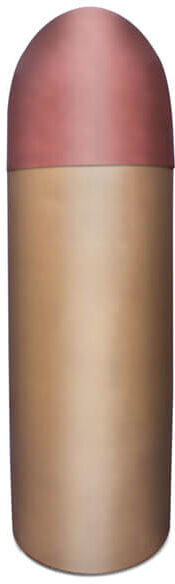
Mixology Bullet Cocktail ShakerFire up your party with this impressive Mixology Bullet Cocktail Shaker. This mighty cocktail shaker has a brass plated body with a copper plated tip, a generous 700ml capacity and a built in strainer. Approximate Mixology bullet cocktail shaker dimensions: H27cm x DIA7.5cm. Hand wash only. Supplied in a smart gift box.22,49 £*Shipping: 3,50 £Secure redirect to the provider
-
HarperCollins Forager's Cocktails: Botanical Mixology With Fresh Ingredients By Samuel Glynn - Non Fiction - PaperbackTitle:. Forager’s Cocktails: Botanical Mixology With Fresh Ingredients Format: Paperback Overview:. Step into the world where wild herbs meet classic spirits with Forager’s Cocktails: Botanical Mixology With Fresh Ingredients, a masterclass in creating sophisticated drinks straight from your local landscape. Written by seasoned mixologist Samuel Glynn, this comprehensive guide bridges the gap between outdoor exploration and behind-the-bar artistry. Whether you are drawn to craft cocktails or simply enjoy experimenting with natural flavours in your evening glass, this book provides clear, step-by-step instructions for harvesting, preserving, and transforming garden-fresh and wild botanicals into memorable beverages. Each recipe is built around a seasonal framework, ensuring you always know which plants, flowers, fruits, and leaves are at their peak while delivering balanced, restaurant-quality results without relying on processed syrups or synthetic bitters. The volume does not simply offer a list of drink formulas; it teaches you how to listen to the changing seasons, understand flavour profiles, and build drinks that reflect your immediate environment. If you have ever wondered how to make elderflower cordial into a summer highball, turn freshly pickedrosemary into a smoky gin infusion, or preserve wild berries for winter sipping, this guide equips you with every technique required. It combines foundational mixology principles with practical environmental awareness, positioning itself as an essential reference table that evolves alongside your growing skills. What Makes This Book Stand Out:. What separates this title from standard cocktail manuals is its dedicated focus on botanical integrity and sustainable preparation methods. Glynn moves beyond conventional bar kits to show readers how to identify edible weeds, cultivate backyard garnishes, and extract authentic essence through dry distillation, cold infusion, and homemade shrub-making techniques. The instruction explicitly covers sourcing ethics, safe plant identification, and proper storage durations so every batch remains both vibrant and reliable. You will learn how to balance earthy green notes with bright citrus, sweet floral top notes, and deep resinous undertones using ingredients you might otherwise overlook during a woodland walk. The layout pairs each formula with precise measurement guidance and pairing suggestions for glassware and accompanying snacks, turning casual experimentation into repeatable mastery. Rather than prescribing expensive specialty products, the methodology encourages resourcefulness, reducing waste while elevating everyday spirit-forward classics through seasonal freshness. This deliberate emphasis on place-based mixology ensures that every finished glass tastes distinctly rooted in its origin, while the structured progressions guarantee consistent outcomes even for novice creators. Who This Book Is Perfect For:. This title serves home bartenders eager to move...9,99 £*Shipping: 2,99 £Secure redirect to the provider


-
Do you need a shaker for cocktails?
While a shaker is not absolutely necessary for making cocktails, it is highly recommended for certain drinks that require thorough mixing or chilling. A shaker helps to combine ingredients effectively, chill the drink quickly, and create a nice frothy texture in some cocktails. However, if you don't have a shaker, you can use a mason jar or a mixing glass with a bar spoon as an alternative method. Ultimately, having a shaker can enhance your cocktail-making experience and help you achieve better results. **
-
What is trigonometry 105?
Trigonometry 105 is an advanced level course that builds upon the fundamental concepts of trigonometry. It covers more complex topics such as inverse trigonometric functions, trigonometric identities, and applications of trigonometry in real-world problems. Students in Trigonometry 105 will delve deeper into the relationships between angles and sides of triangles, as well as learn advanced techniques for solving trigonometric equations and proving trigonometric identities. Overall, Trigonometry 105 aims to provide a comprehensive understanding of trigonometry and its applications in various fields. **
-
How is trigonometry classified?
Trigonometry is classified as a branch of mathematics that deals with the relationships between the sides and angles of triangles. It is further categorized into two main branches: plane trigonometry, which focuses on two-dimensional triangles, and spherical trigonometry, which deals with triangles on the surface of a sphere. Trigonometry is also divided into various functions such as sine, cosine, and tangent, which are used to calculate unknown sides or angles in a triangle. Overall, trigonometry plays a crucial role in various fields such as physics, engineering, and astronomy. **
-
What is trigonometry 106?
Trigonometry 106 is an advanced course that builds upon the foundational concepts of trigonometry. It typically covers more complex topics such as inverse trigonometric functions, trigonometric identities, and applications of trigonometry in real-world problems. Students in Trigonometry 106 may also delve into topics like polar coordinates, vectors, and complex numbers as they relate to trigonometric functions. Overall, Trigonometry 106 aims to deepen students' understanding of trigonometry and its applications in various fields. **


What is trigonometry 116?
Trigonometry 116 is a course that builds upon the fundamental concepts of trigonometry, such as angles, triangles, and trigonometric functions, and delves deeper into more advanced topics. Students in this course typically study topics like trigonometric identities, inverse trigonometric functions, trigonometric equations, and applications of trigonometry in real-world problems. The course aims to provide a more comprehensive understanding of trigonometry and its relevance in various fields such as physics, engineering, and mathematics. **
Can you explain trigonometry?
Trigonometry is a branch of mathematics that deals with the study of angles and the relationships between the sides and angles of triangles. It involves the use of trigonometric functions such as sine, cosine, and tangent to solve for unknown sides and angles in a triangle. Trigonometry is widely used in various fields such as physics, engineering, and astronomy to calculate distances, angles, and other measurements. It is an essential tool for understanding and solving problems related to triangles and periodic phenomena. **
Top-Angebote
Products related to Trigonometry:
-
Matt Parker Love Triangle: The Life-changing Magic of TrigonometryDescription. Condition: Brand New. Format : Paperback. In Love Triangle, stand-up comedian, ex-maths teacher and Sunday Times number one bestselling author Matt Parker is on a mission to prove why we should all show a lot more love for triangles, along with the useful trigonometry and geometry they enable. To make his point, he uses triangles to create his own digital avatar, survive a harrowing motorcycle ride, cut a sandwich into three equal parts, and measure tall buildings while wearing silly shoes. But soon these hare-brained experiments begin to reveal a genuinely important truth: triangles are the hidden pattern beneath the surface of the contemporary world, used in everything from GPS to CGI via Spotify streaming, the play button and your best mate’s triangle tattoo.. Title. Love Triangle: The Life-changing Magic of Trigonometry. Delivery. Content. Reviews23,85 £*Shipping: 2,99 £Secure redirect to the provider
-
Penguin Love Triangle: The Life-Changing Magic of Trigonometry - Fiction - Paperback EditionTitle:. Love Triangle: The Life-Changing Magic of Trigonometry Format: Paperback Overview:. Love Triangle: The Life-Changing Magic of Trigonometry is a contemporary fiction novel that playfully reimagines romance through the lens of mathematics. In a world where feelings often feel messy, this book invites readers to view relationships as a series of angles, arcs, and equilibrium points—moments when decisions tilt the balance toward connection or distance. The narrative voice is warm, witty, and observant, offering clever observations that land with both humour and empathy. The paperback edition makes this story accessible to a wide audience, from students who enjoy a sly nod to algebra to adults who remember their early encounters with sine and cosine with a smile. The story maintains a brisk, readable pace, pairing lighthearted banter with moments of genuine feeling, so you’ll both laugh and care about what happens next. While the premise is novel, the heart of the book is universal: the push-and-pull of wanting what you cannot always have, and the inner arithmetic of choosing what truly matters. This is a book you’ll want to return to, underline, and recommend to friends who love a smart, funny take on love. What Makes This Book Stand Out:. At its core, this book stands out because it uses trig as a narrative engine without becoming dusty or didactic. The author threads mathematical imagery through scenes, conversations, and interior monologues in a way that feels natural, not forced. Readers who normally steer clear of maths will find the metaphors approachable and illuminating, while maths enthusiasts will relish the playful precision of the language. The tone is both witty and humane, delivering punchlines without sacrificing emotional truth. The book also treats relationships with nuance—trust, miscommunication, and the search for balance—eschewing stereotypes and offering a fresh perspective on what it means to navigate a love triangle. Styling is modern and accessible, with clear, crisp prose in a paperback format that’s comfortable to read in a cafe or commuter train. The story rewards careful reading and re-reading, inviting readers to notice how small choices ripple through the plot much like a sine wave evolves over time. Who This Book Is Perfect For:. Perfect for readers who enjoy contemporary fiction with a quirky, intellectual twist. If you like romantic comedies that wink at science or maths, this book will land with a satisfying sense of recognition. It’s also an ideal pick for book clubs seeking something a little different—clever but not intimidating, light in pace but rich with heart. Gift buyers will find it a thoughtful present for students, teachers, or colleagues who love witty wordplay and memorable phrases. While the setup references a romantic triangle, the book’s themes of choice, clarity, and personal growth give it broad appeal to fans of character-driven stories. Whether you’re unwinding with a paperback on the...12,99 £*Shipping: 2,99 £Secure redirect to the provider
-
Mixology Bullet Cocktail ShakerFire up your party with this impressive Mixology Bullet Cocktail Shaker. This mighty cocktail shaker has a brass plated body with a copper plated tip, a generous 700ml capacity and a built in strainer. Approximate Mixology bullet cocktail shaker dimensions: H27cm x DIA7.5cm. Hand wash only. Supplied in a smart gift box.22,49 £*Shipping: 3,50 £Secure redirect to the provider
-
What is trigonometry?
Trigonometry is a branch of mathematics that deals with the relationships between the sides and angles of triangles. It involves studying the properties and functions of angles, as well as using these relationships to solve for unknown sides or angles in a triangle. Trigonometry is widely used in various fields such as physics, engineering, and astronomy to calculate distances, heights, and angles. It is an essential tool for understanding and solving problems related to triangles and periodic phenomena. **
-
What is trigonometry and how are triangles used in trigonometry?
Trigonometry is a branch of mathematics that deals with the study of the relationships between the angles and sides of triangles. It involves the use of trigonometric functions such as sine, cosine, and tangent to solve for unknown angles or sides of a triangle. Triangles are used in trigonometry because they provide a simple and fundamental geometric shape to study the relationships between angles and sides. By understanding the properties of triangles and applying trigonometric functions, we can solve various real-world problems involving distances, heights, and angles. **
-
Do you need a shaker for cocktails?
While a shaker is not absolutely necessary for making cocktails, it is highly recommended for certain drinks that require thorough mixing or chilling. A shaker helps to combine ingredients effectively, chill the drink quickly, and create a nice frothy texture in some cocktails. However, if you don't have a shaker, you can use a mason jar or a mixing glass with a bar spoon as an alternative method. Ultimately, having a shaker can enhance your cocktail-making experience and help you achieve better results. **
-
What is trigonometry 105?
Trigonometry 105 is an advanced level course that builds upon the fundamental concepts of trigonometry. It covers more complex topics such as inverse trigonometric functions, trigonometric identities, and applications of trigonometry in real-world problems. Students in Trigonometry 105 will delve deeper into the relationships between angles and sides of triangles, as well as learn advanced techniques for solving trigonometric equations and proving trigonometric identities. Overall, Trigonometry 105 aims to provide a comprehensive understanding of trigonometry and its applications in various fields. **
Similar search terms for Trigonometry
-
HarperCollins Forager's Cocktails: Botanical Mixology With Fresh Ingredients By Samuel Glynn - Non Fiction - PaperbackTitle:. Forager’s Cocktails: Botanical Mixology With Fresh Ingredients Format: Paperback Overview:. Step into the world where wild herbs meet classic spirits with Forager’s Cocktails: Botanical Mixology With Fresh Ingredients, a masterclass in creating sophisticated drinks straight from your local landscape. Written by seasoned mixologist Samuel Glynn, this comprehensive guide bridges the gap between outdoor exploration and behind-the-bar artistry. Whether you are drawn to craft cocktails or simply enjoy experimenting with natural flavours in your evening glass, this book provides clear, step-by-step instructions for harvesting, preserving, and transforming garden-fresh and wild botanicals into memorable beverages. Each recipe is built around a seasonal framework, ensuring you always know which plants, flowers, fruits, and leaves are at their peak while delivering balanced, restaurant-quality results without relying on processed syrups or synthetic bitters. The volume does not simply offer a list of drink formulas; it teaches you how to listen to the changing seasons, understand flavour profiles, and build drinks that reflect your immediate environment. If you have ever wondered how to make elderflower cordial into a summer highball, turn freshly pickedrosemary into a smoky gin infusion, or preserve wild berries for winter sipping, this guide equips you with every technique required. It combines foundational mixology principles with practical environmental awareness, positioning itself as an essential reference table that evolves alongside your growing skills. What Makes This Book Stand Out:. What separates this title from standard cocktail manuals is its dedicated focus on botanical integrity and sustainable preparation methods. Glynn moves beyond conventional bar kits to show readers how to identify edible weeds, cultivate backyard garnishes, and extract authentic essence through dry distillation, cold infusion, and homemade shrub-making techniques. The instruction explicitly covers sourcing ethics, safe plant identification, and proper storage durations so every batch remains both vibrant and reliable. You will learn how to balance earthy green notes with bright citrus, sweet floral top notes, and deep resinous undertones using ingredients you might otherwise overlook during a woodland walk. The layout pairs each formula with precise measurement guidance and pairing suggestions for glassware and accompanying snacks, turning casual experimentation into repeatable mastery. Rather than prescribing expensive specialty products, the methodology encourages resourcefulness, reducing waste while elevating everyday spirit-forward classics through seasonal freshness. This deliberate emphasis on place-based mixology ensures that every finished glass tastes distinctly rooted in its origin, while the structured progressions guarantee consistent outcomes even for novice creators. Who This Book Is Perfect For:. This title serves home bartenders eager to move...9,99 £*Shipping: 2,99 £Secure redirect to the provider
-
Ryland Peters & Small The Curious Bartender 4 Book Collection by Tristan Stephenson - Gin, Rum, Cocktails & Home Bartending - Hardback Set - Adult Non FictionThe Curious Bartender 4 Book Collection brings together four best-selling hardback titles from award-winning bartender and drinks writer Tristan Stephenson. This set covers gin, rum, home cocktail-making, and the story of the modern cocktail itself. The books pair deep spirits knowledge with genuinely usable technique, making them a rich resource for home bartenders, hospitality students, and anyone interested in the history and craft behind a well-made drink. The collection includes The Curious Bartender's Gin Palace, Rum Revolution, Cocktails At Home, and The Curious Bartender. It's a satisfying, gift-ready boxed collection for the cocktail enthusiast.38,99 £*Shipping: 0,00 £Secure redirect to the provider
-
Touch of Mixology 14-Piece Gold Bartender Kit with Cocktail Shaker and Bamboo StandOrganize essential cocktail tools in one countertop display with this 14-piece gold bartender kit. The set combines stainless steel bar tools with a fitted bamboo stand, keeping the assortment visible and easy to reach on a bar cart or kitchen counter.49,91 $*Shipping: 0,00 $Secure redirect to the provider
-
How is trigonometry classified?
Trigonometry is classified as a branch of mathematics that deals with the relationships between the sides and angles of triangles. It is further categorized into two main branches: plane trigonometry, which focuses on two-dimensional triangles, and spherical trigonometry, which deals with triangles on the surface of a sphere. Trigonometry is also divided into various functions such as sine, cosine, and tangent, which are used to calculate unknown sides or angles in a triangle. Overall, trigonometry plays a crucial role in various fields such as physics, engineering, and astronomy. **
-
What is trigonometry 106?
Trigonometry 106 is an advanced course that builds upon the foundational concepts of trigonometry. It typically covers more complex topics such as inverse trigonometric functions, trigonometric identities, and applications of trigonometry in real-world problems. Students in Trigonometry 106 may also delve into topics like polar coordinates, vectors, and complex numbers as they relate to trigonometric functions. Overall, Trigonometry 106 aims to deepen students' understanding of trigonometry and its applications in various fields. **
-
What is trigonometry 116?
Trigonometry 116 is a course that builds upon the fundamental concepts of trigonometry, such as angles, triangles, and trigonometric functions, and delves deeper into more advanced topics. Students in this course typically study topics like trigonometric identities, inverse trigonometric functions, trigonometric equations, and applications of trigonometry in real-world problems. The course aims to provide a more comprehensive understanding of trigonometry and its relevance in various fields such as physics, engineering, and mathematics. **
-
Can you explain trigonometry?
Trigonometry is a branch of mathematics that deals with the study of angles and the relationships between the sides and angles of triangles. It involves the use of trigonometric functions such as sine, cosine, and tangent to solve for unknown sides and angles in a triangle. Trigonometry is widely used in various fields such as physics, engineering, and astronomy to calculate distances, angles, and other measurements. It is an essential tool for understanding and solving problems related to triangles and periodic phenomena. **
* All prices are inclusive of VAT and, if applicable, plus shipping costs. The offer information is based on the details provided by the respective shop and is updated through automated processes. Real-time updates do not occur, so deviations can occur in individual cases. ** Note: Parts of this content were created by AI.