Buy americanbartender.eu ?
We are moving the project
americanbartender.eu .
Are you interested in purchasing the domain
americanbartender.eu ?
domain@kv-gmbh.de · 0541-91531010
Buy americanbartender.eu ?
Do you need a shaker for cocktails?
While a shaker is not absolutely necessary for making cocktails, it is highly recommended for certain drinks that require thorough mixing or chilling. A shaker helps to combine ingredients effectively, chill the drink quickly, and create a nice frothy texture in some cocktails. However, if you don't have a shaker, you can use a mason jar or a mixing glass with a bar spoon as an alternative method. Ultimately, having a shaker can enhance your cocktail-making experience and help you achieve better results. **
Is carbon the same as carbon fiber?
No, carbon and carbon fiber are not the same. Carbon is a chemical element with the symbol C and atomic number 6, while carbon fiber is a material made of thin fibers composed mostly of carbon atoms. Carbon fiber is a lightweight and strong material commonly used in aerospace, automotive, and sporting goods industries, while carbon in its elemental form has various uses in different industries. **

Similar search terms for Carbon
Top-Angebote
Products related to Carbon:
-
HarperCollins Forager's Cocktails: Botanical Mixology With Fresh Ingredients By Samuel Glynn - Non Fiction - PaperbackTitle:. Forager’s Cocktails: Botanical Mixology With Fresh Ingredients Format: Paperback Overview:. Step into the world where wild herbs meet classic spirits with Forager’s Cocktails: Botanical Mixology With Fresh Ingredients, a masterclass in creating sophisticated drinks straight from your local landscape. Written by seasoned mixologist Samuel Glynn, this comprehensive guide bridges the gap between outdoor exploration and behind-the-bar artistry. Whether you are drawn to craft cocktails or simply enjoy experimenting with natural flavours in your evening glass, this book provides clear, step-by-step instructions for harvesting, preserving, and transforming garden-fresh and wild botanicals into memorable beverages. Each recipe is built around a seasonal framework, ensuring you always know which plants, flowers, fruits, and leaves are at their peak while delivering balanced, restaurant-quality results without relying on processed syrups or synthetic bitters. The volume does not simply offer a list of drink formulas; it teaches you how to listen to the changing seasons, understand flavour profiles, and build drinks that reflect your immediate environment. If you have ever wondered how to make elderflower cordial into a summer highball, turn freshly pickedrosemary into a smoky gin infusion, or preserve wild berries for winter sipping, this guide equips you with every technique required. It combines foundational mixology principles with practical environmental awareness, positioning itself as an essential reference table that evolves alongside your growing skills. What Makes This Book Stand Out:. What separates this title from standard cocktail manuals is its dedicated focus on botanical integrity and sustainable preparation methods. Glynn moves beyond conventional bar kits to show readers how to identify edible weeds, cultivate backyard garnishes, and extract authentic essence through dry distillation, cold infusion, and homemade shrub-making techniques. The instruction explicitly covers sourcing ethics, safe plant identification, and proper storage durations so every batch remains both vibrant and reliable. You will learn how to balance earthy green notes with bright citrus, sweet floral top notes, and deep resinous undertones using ingredients you might otherwise overlook during a woodland walk. The layout pairs each formula with precise measurement guidance and pairing suggestions for glassware and accompanying snacks, turning casual experimentation into repeatable mastery. Rather than prescribing expensive specialty products, the methodology encourages resourcefulness, reducing waste while elevating everyday spirit-forward classics through seasonal freshness. This deliberate emphasis on place-based mixology ensures that every finished glass tastes distinctly rooted in its origin, while the structured progressions guarantee consistent outcomes even for novice creators. Who This Book Is Perfect For:. This title serves home bartenders eager to move...9,99 £*Shipping: 2,99 £Secure redirect to the provider
-
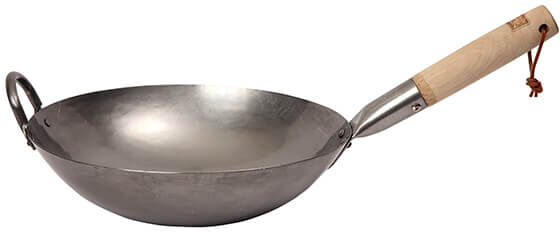
School of Wok by Dexam 30cm Uncoated Carbon Steel Craft WokThis School of Wok by Dexam 12/30cm Uncoated Carbon Steel Craft Wok is made from carbon steel, hand hammered with a traditional Chinese cold working technique for optimum flavour and heat retention. Ideal for making stir fry's and curries with a true caramelised flavour. This wok is suitable for all hob types including induction. Season the wok before use following the guidelines on the packaging. Dimensions: 18(H) x 31(W) x 52(D)cm.45,00 £*Shipping: 3,50 £Secure redirect to the provider
-
Ryland Peters & Small The Curious Bartender 4 Book Collection by Tristan Stephenson - Gin, Rum, Cocktails & Home Bartending - Hardback Set - Adult Non FictionThe Curious Bartender 4 Book Collection brings together four best-selling hardback titles from award-winning bartender and drinks writer Tristan Stephenson. This set covers gin, rum, home cocktail-making, and the story of the modern cocktail itself. The books pair deep spirits knowledge with genuinely usable technique, making them a rich resource for home bartenders, hospitality students, and anyone interested in the history and craft behind a well-made drink. The collection includes The Curious Bartender's Gin Palace, Rum Revolution, Cocktails At Home, and The Curious Bartender. It's a satisfying, gift-ready boxed collection for the cocktail enthusiast.38,99 £*Shipping: 0,00 £Secure redirect to the provider



-
What are non-aromatic carbon-carbon bonds?
Non-aromatic carbon-carbon bonds are simply carbon-carbon bonds that do not participate in aromaticity. Aromaticity refers to a special type of bonding in organic molecules that results in increased stability and unique reactivity. Non-aromatic carbon-carbon bonds can be found in a wide range of organic compounds and can exhibit different types of reactivity and properties depending on their specific chemical environment. These bonds can be found in aliphatic hydrocarbons, such as alkanes and alkenes, as well as in many other organic molecules. **
-
Which cocktails can be prepared without a shaker?
Many cocktails can be prepared without a shaker, including simple mixed drinks like a rum and coke, gin and tonic, or vodka cranberry. These drinks can be made by simply pouring the ingredients directly into a glass and giving them a quick stir with a spoon. Other cocktails that can be made without a shaker include the classic Old Fashioned, which is made by muddling sugar and bitters in a glass, adding whiskey, and stirring with ice. Additionally, drinks like the Moscow Mule or Dark and Stormy can be made by combining the ingredients in a glass and giving them a gentle stir. **
-
Is carbon and carbon fiber the same thing?
No, carbon and carbon fiber are not the same thing. Carbon is a chemical element with the symbol C and atomic number 6, while carbon fiber is a material made of thin strands of carbon woven together. Carbon fiber is a composite material that is known for its high strength-to-weight ratio and is commonly used in aerospace, automotive, and sporting goods industries. **
-
What are the differences between Carbon 12 and Carbon 14?
Carbon 12 and Carbon 14 are isotopes of carbon with different atomic masses. Carbon 12 has 6 protons and 6 neutrons, while Carbon 14 has 6 protons and 8 neutrons. Carbon 12 is stable and makes up the majority of carbon found in nature, while Carbon 14 is radioactive and is used in radiocarbon dating to determine the age of organic materials. The presence of Carbon 14 in an object can help scientists estimate its age up to around 50,000 years. **

How much activated carbon is needed for the Eheim Carbon?
The amount of activated carbon needed for the Eheim Carbon filter will depend on the size of the filter and the specific instructions provided by the manufacturer. It is recommended to follow the manufacturer's guidelines for the correct amount of activated carbon to use in the filter. Typically, a small amount of activated carbon is sufficient to effectively filter out impurities and maintain water quality in the aquarium. **
What is the difference between carbon monoxide and carbon dioxide?
Carbon monoxide (CO) is a colorless, odorless gas that is produced by incomplete combustion of carbon-containing fuels, while carbon dioxide (CO2) is a colorless gas that is naturally present in the Earth's atmosphere and is produced by the combustion of fossil fuels, as well as by natural processes like respiration and volcanic eruptions. The main difference between the two is their chemical composition - carbon monoxide contains one carbon atom and one oxygen atom, while carbon dioxide contains one carbon atom and two oxygen atoms. Additionally, carbon monoxide is highly toxic to humans, while carbon dioxide is not toxic at normal levels but can contribute to climate change when present in high concentrations. **
Top-Angebote
Products related to Carbon:
-
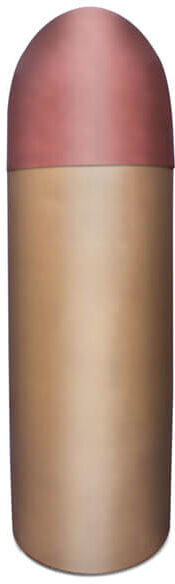
Mixology Bullet Cocktail ShakerFire up your party with this impressive Mixology Bullet Cocktail Shaker. This mighty cocktail shaker has a brass plated body with a copper plated tip, a generous 700ml capacity and a built in strainer. Approximate Mixology bullet cocktail shaker dimensions: H27cm x DIA7.5cm. Hand wash only. Supplied in a smart gift box.22,49 £*Shipping: 3,50 £Secure redirect to the provider
-
HarperCollins Forager's Cocktails: Botanical Mixology With Fresh Ingredients By Samuel Glynn - Non Fiction - PaperbackTitle:. Forager’s Cocktails: Botanical Mixology With Fresh Ingredients Format: Paperback Overview:. Step into the world where wild herbs meet classic spirits with Forager’s Cocktails: Botanical Mixology With Fresh Ingredients, a masterclass in creating sophisticated drinks straight from your local landscape. Written by seasoned mixologist Samuel Glynn, this comprehensive guide bridges the gap between outdoor exploration and behind-the-bar artistry. Whether you are drawn to craft cocktails or simply enjoy experimenting with natural flavours in your evening glass, this book provides clear, step-by-step instructions for harvesting, preserving, and transforming garden-fresh and wild botanicals into memorable beverages. Each recipe is built around a seasonal framework, ensuring you always know which plants, flowers, fruits, and leaves are at their peak while delivering balanced, restaurant-quality results without relying on processed syrups or synthetic bitters. The volume does not simply offer a list of drink formulas; it teaches you how to listen to the changing seasons, understand flavour profiles, and build drinks that reflect your immediate environment. If you have ever wondered how to make elderflower cordial into a summer highball, turn freshly pickedrosemary into a smoky gin infusion, or preserve wild berries for winter sipping, this guide equips you with every technique required. It combines foundational mixology principles with practical environmental awareness, positioning itself as an essential reference table that evolves alongside your growing skills. What Makes This Book Stand Out:. What separates this title from standard cocktail manuals is its dedicated focus on botanical integrity and sustainable preparation methods. Glynn moves beyond conventional bar kits to show readers how to identify edible weeds, cultivate backyard garnishes, and extract authentic essence through dry distillation, cold infusion, and homemade shrub-making techniques. The instruction explicitly covers sourcing ethics, safe plant identification, and proper storage durations so every batch remains both vibrant and reliable. You will learn how to balance earthy green notes with bright citrus, sweet floral top notes, and deep resinous undertones using ingredients you might otherwise overlook during a woodland walk. The layout pairs each formula with precise measurement guidance and pairing suggestions for glassware and accompanying snacks, turning casual experimentation into repeatable mastery. Rather than prescribing expensive specialty products, the methodology encourages resourcefulness, reducing waste while elevating everyday spirit-forward classics through seasonal freshness. This deliberate emphasis on place-based mixology ensures that every finished glass tastes distinctly rooted in its origin, while the structured progressions guarantee consistent outcomes even for novice creators. Who This Book Is Perfect For:. This title serves home bartenders eager to move...9,99 £*Shipping: 2,99 £Secure redirect to the provider
-
Do you need a shaker for cocktails?
While a shaker is not absolutely necessary for making cocktails, it is highly recommended for certain drinks that require thorough mixing or chilling. A shaker helps to combine ingredients effectively, chill the drink quickly, and create a nice frothy texture in some cocktails. However, if you don't have a shaker, you can use a mason jar or a mixing glass with a bar spoon as an alternative method. Ultimately, having a shaker can enhance your cocktail-making experience and help you achieve better results. **
-
Is carbon the same as carbon fiber?
No, carbon and carbon fiber are not the same. Carbon is a chemical element with the symbol C and atomic number 6, while carbon fiber is a material made of thin fibers composed mostly of carbon atoms. Carbon fiber is a lightweight and strong material commonly used in aerospace, automotive, and sporting goods industries, while carbon in its elemental form has various uses in different industries. **
-
What are non-aromatic carbon-carbon bonds?
Non-aromatic carbon-carbon bonds are simply carbon-carbon bonds that do not participate in aromaticity. Aromaticity refers to a special type of bonding in organic molecules that results in increased stability and unique reactivity. Non-aromatic carbon-carbon bonds can be found in a wide range of organic compounds and can exhibit different types of reactivity and properties depending on their specific chemical environment. These bonds can be found in aliphatic hydrocarbons, such as alkanes and alkenes, as well as in many other organic molecules. **
-
Which cocktails can be prepared without a shaker?
Many cocktails can be prepared without a shaker, including simple mixed drinks like a rum and coke, gin and tonic, or vodka cranberry. These drinks can be made by simply pouring the ingredients directly into a glass and giving them a quick stir with a spoon. Other cocktails that can be made without a shaker include the classic Old Fashioned, which is made by muddling sugar and bitters in a glass, adding whiskey, and stirring with ice. Additionally, drinks like the Moscow Mule or Dark and Stormy can be made by combining the ingredients in a glass and giving them a gentle stir. **
Similar search terms for Carbon
-
School of Wok by Dexam 30cm Uncoated Carbon Steel Craft WokThis School of Wok by Dexam 12/30cm Uncoated Carbon Steel Craft Wok is made from carbon steel, hand hammered with a traditional Chinese cold working technique for optimum flavour and heat retention. Ideal for making stir fry's and curries with a true caramelised flavour. This wok is suitable for all hob types including induction. Season the wok before use following the guidelines on the packaging. Dimensions: 18(H) x 31(W) x 52(D)cm.45,00 £*Shipping: 3,50 £Secure redirect to the provider
-
Ryland Peters & Small The Curious Bartender 4 Book Collection by Tristan Stephenson - Gin, Rum, Cocktails & Home Bartending - Hardback Set - Adult Non FictionThe Curious Bartender 4 Book Collection brings together four best-selling hardback titles from award-winning bartender and drinks writer Tristan Stephenson. This set covers gin, rum, home cocktail-making, and the story of the modern cocktail itself. The books pair deep spirits knowledge with genuinely usable technique, making them a rich resource for home bartenders, hospitality students, and anyone interested in the history and craft behind a well-made drink. The collection includes The Curious Bartender's Gin Palace, Rum Revolution, Cocktails At Home, and The Curious Bartender. It's a satisfying, gift-ready boxed collection for the cocktail enthusiast.38,99 £*Shipping: 0,00 £Secure redirect to the provider
-
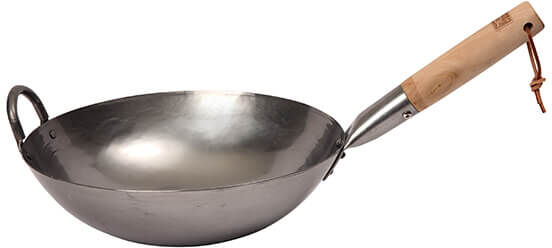
School of Wok by Dexam 30cm Round Bottom Uncoated Carbon Steel Craft WokThis School of Wok by Dexam 12/30cm Round Bottom Uncoated Carbon Steel Craft Wok is made from carbon steel, hand hammered with a traditional Chinese cold working technique for optimum flavour and heat retention. Ideal for making stir fry's and curries with a true caramelised flavour. This round bottomed wok is suitable for all hob types including induction and requires a wok ring for use on modern hobs, sold separately. Season the wok before use following the guidelines on the packaging. Dimensions: 18(H) x 31(W) x 52(D)cm.45,00 £*Shipping: 3,50 £Secure redirect to the provider
-
United Engine Carbon Cleaning Brush Head Replacement For Cylinder Carbon Deposit Remover Tool carbon BrushRestore engine performance with a reliable engine carbon cleaning brush designed to remove stubborn carbon deposits from cylinder and piston surfaces with ease. This replacement brush head is ideal for professional mechanics and DIY vehicle...34,97 $*Shipping: 0,00 $Secure redirect to the provider
-
Is carbon and carbon fiber the same thing?
No, carbon and carbon fiber are not the same thing. Carbon is a chemical element with the symbol C and atomic number 6, while carbon fiber is a material made of thin strands of carbon woven together. Carbon fiber is a composite material that is known for its high strength-to-weight ratio and is commonly used in aerospace, automotive, and sporting goods industries. **
-
What are the differences between Carbon 12 and Carbon 14?
Carbon 12 and Carbon 14 are isotopes of carbon with different atomic masses. Carbon 12 has 6 protons and 6 neutrons, while Carbon 14 has 6 protons and 8 neutrons. Carbon 12 is stable and makes up the majority of carbon found in nature, while Carbon 14 is radioactive and is used in radiocarbon dating to determine the age of organic materials. The presence of Carbon 14 in an object can help scientists estimate its age up to around 50,000 years. **
-
How much activated carbon is needed for the Eheim Carbon?
The amount of activated carbon needed for the Eheim Carbon filter will depend on the size of the filter and the specific instructions provided by the manufacturer. It is recommended to follow the manufacturer's guidelines for the correct amount of activated carbon to use in the filter. Typically, a small amount of activated carbon is sufficient to effectively filter out impurities and maintain water quality in the aquarium. **
-
What is the difference between carbon monoxide and carbon dioxide?
Carbon monoxide (CO) is a colorless, odorless gas that is produced by incomplete combustion of carbon-containing fuels, while carbon dioxide (CO2) is a colorless gas that is naturally present in the Earth's atmosphere and is produced by the combustion of fossil fuels, as well as by natural processes like respiration and volcanic eruptions. The main difference between the two is their chemical composition - carbon monoxide contains one carbon atom and one oxygen atom, while carbon dioxide contains one carbon atom and two oxygen atoms. Additionally, carbon monoxide is highly toxic to humans, while carbon dioxide is not toxic at normal levels but can contribute to climate change when present in high concentrations. **
* All prices are inclusive of VAT and, if applicable, plus shipping costs. The offer information is based on the details provided by the respective shop and is updated through automated processes. Real-time updates do not occur, so deviations can occur in individual cases. ** Note: Parts of this content were created by AI.