Buy americanbartender.eu ?
We are moving the project
americanbartender.eu .
Are you interested in purchasing the domain
americanbartender.eu ?
domain@kv-gmbh.de · 0541-91531010
Buy americanbartender.eu ?
How is the IUPAC name determined?
The IUPAC name of a compound is determined by following a set of rules established by the International Union of Pure and Applied Chemistry (IUPAC). These rules consider the structure and composition of the compound, and prioritize certain functional groups and substituents to determine the root name of the compound. The name is then modified with prefixes, suffixes, and numerical locants to indicate the specific arrangement and bonding of atoms within the compound. The goal of the IUPAC naming system is to provide a standardized and systematic way of naming chemical compounds to ensure clarity and consistency in communication within the scientific community. **
Do you know the IUPAC name?
Yes, IUPAC (International Union of Pure and Applied Chemistry) names are systematic names given to chemical compounds based on a set of rules established by the IUPAC. These names are used to uniquely identify and describe the structure of a compound, regardless of language or region. IUPAC names are important in the field of chemistry as they provide a standardized way to communicate about chemical compounds. **

Similar search terms for IUPAC
Top-Angebote
Products related to IUPAC:
-
HarperCollins Forager's Cocktails: Botanical Mixology With Fresh Ingredients By Samuel Glynn - Non Fiction - PaperbackTitle:. Forager’s Cocktails: Botanical Mixology With Fresh Ingredients Format: Paperback Overview:. Step into the world where wild herbs meet classic spirits with Forager’s Cocktails: Botanical Mixology With Fresh Ingredients, a masterclass in creating sophisticated drinks straight from your local landscape. Written by seasoned mixologist Samuel Glynn, this comprehensive guide bridges the gap between outdoor exploration and behind-the-bar artistry. Whether you are drawn to craft cocktails or simply enjoy experimenting with natural flavours in your evening glass, this book provides clear, step-by-step instructions for harvesting, preserving, and transforming garden-fresh and wild botanicals into memorable beverages. Each recipe is built around a seasonal framework, ensuring you always know which plants, flowers, fruits, and leaves are at their peak while delivering balanced, restaurant-quality results without relying on processed syrups or synthetic bitters. The volume does not simply offer a list of drink formulas; it teaches you how to listen to the changing seasons, understand flavour profiles, and build drinks that reflect your immediate environment. If you have ever wondered how to make elderflower cordial into a summer highball, turn freshly pickedrosemary into a smoky gin infusion, or preserve wild berries for winter sipping, this guide equips you with every technique required. It combines foundational mixology principles with practical environmental awareness, positioning itself as an essential reference table that evolves alongside your growing skills. What Makes This Book Stand Out:. What separates this title from standard cocktail manuals is its dedicated focus on botanical integrity and sustainable preparation methods. Glynn moves beyond conventional bar kits to show readers how to identify edible weeds, cultivate backyard garnishes, and extract authentic essence through dry distillation, cold infusion, and homemade shrub-making techniques. The instruction explicitly covers sourcing ethics, safe plant identification, and proper storage durations so every batch remains both vibrant and reliable. You will learn how to balance earthy green notes with bright citrus, sweet floral top notes, and deep resinous undertones using ingredients you might otherwise overlook during a woodland walk. The layout pairs each formula with precise measurement guidance and pairing suggestions for glassware and accompanying snacks, turning casual experimentation into repeatable mastery. Rather than prescribing expensive specialty products, the methodology encourages resourcefulness, reducing waste while elevating everyday spirit-forward classics through seasonal freshness. This deliberate emphasis on place-based mixology ensures that every finished glass tastes distinctly rooted in its origin, while the structured progressions guarantee consistent outcomes even for novice creators. Who This Book Is Perfect For:. This title serves home bartenders eager to move...9,99 £*Shipping: 2,99 £Secure redirect to the provider
-
Ryland Peters & Small The Curious Bartender 4 Book Collection by Tristan Stephenson - Gin, Rum, Cocktails & Home Bartending - Hardback Set - Adult Non FictionThe Curious Bartender 4 Book Collection brings together four best-selling hardback titles from award-winning bartender and drinks writer Tristan Stephenson. This set covers gin, rum, home cocktail-making, and the story of the modern cocktail itself. The books pair deep spirits knowledge with genuinely usable technique, making them a rich resource for home bartenders, hospitality students, and anyone interested in the history and craft behind a well-made drink. The collection includes The Curious Bartender's Gin Palace, Rum Revolution, Cocktails At Home, and The Curious Bartender. It's a satisfying, gift-ready boxed collection for the cocktail enthusiast.38,99 £*Shipping: 0,00 £Secure redirect to the provider
-
Touch of Mixology 14-Piece Gold Bartender Kit with Cocktail Shaker and Bamboo StandOrganize essential cocktail tools in one countertop display with this 14-piece gold bartender kit. The set combines stainless steel bar tools with a fitted bamboo stand, keeping the assortment visible and easy to reach on a bar cart or kitchen counter.49,91 $*Shipping: 0,00 $Secure redirect to the provider




-
What are the following IUPAC nomenclatures?
1. IUPAC nomenclature for organic compounds: This is a set of rules and guidelines used to name organic compounds systematically, based on the structure and composition of the molecule. It ensures that each compound has a unique and unambiguous name, making it easier to communicate and study. 2. IUPAC nomenclature for inorganic compounds: Similar to organic compounds, this system provides a systematic way to name inorganic compounds based on their composition and structure. It helps to distinguish between different compounds and allows for easier communication and study of inorganic chemistry. 3. IUPAC nomenclature for coordination compounds: This system is used to name coordination compounds, which consist of a central metal ion bonded to ligands. The naming is based on the type and number of ligands, as well as the oxidation state of the metal ion, ensuring a clear and consistent naming system for these complex compounds. **
-
What is the IUPAC name of perchlorate?
The IUPAC name of perchlorate is tetrachloratooxidane. **
-
What is the IUPAC name for this halogenalkane?
The IUPAC name for the given halogenalkane is 1-chloro-3-methylbutane. This name is derived from the longest carbon chain in the molecule, which contains four carbon atoms. The chlorine atom is located on the first carbon of the chain, and there is a methyl group attached to the third carbon. Therefore, the complete IUPAC name for this compound is 1-chloro-3-methylbutane. **
-
How are compounds named according to IUPAC rules?
Compounds are named according to IUPAC (International Union of Pure and Applied Chemistry) rules by identifying the longest carbon chain in the molecule and determining the functional groups present. The name begins with the prefix indicating the number of carbon atoms in the longest chain, followed by the root of the name indicating the type of carbon-carbon bond present. Then, the functional groups are named and assigned a position number based on their location on the carbon chain. Finally, any substituent groups are named and assigned a position number, and the names are all combined in a specific order to form the complete IUPAC name of the compound. **


Are there different versions of the IUPAC nomenclature?
Yes, there are different versions of the IUPAC nomenclature. The IUPAC regularly updates and revises its nomenclature rules to reflect new discoveries and developments in chemistry. These updates ensure that the nomenclature remains consistent and accurate across different areas of chemistry. Additionally, there may be specific nomenclature guidelines for different types of compounds, such as organic compounds, inorganic compounds, and polymers. **
What is the IUPAC name for citric acid?
The IUPAC name for citric acid is 2-hydroxypropane-1,2,3-tricarboxylic acid. This name reflects the chemical structure of citric acid, which contains three carboxylic acid groups and a hydroxyl group. The IUPAC name is used to systematically name organic compounds based on their chemical structure, providing a standardized way to identify and communicate about different molecules. **
Top-Angebote
Products related to IUPAC:
-
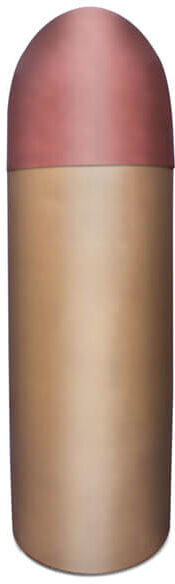
Mixology Bullet Cocktail ShakerFire up your party with this impressive Mixology Bullet Cocktail Shaker. This mighty cocktail shaker has a brass plated body with a copper plated tip, a generous 700ml capacity and a built in strainer. Approximate Mixology bullet cocktail shaker dimensions: H27cm x DIA7.5cm. Hand wash only. Supplied in a smart gift box.22,49 £*Shipping: 3,50 £Secure redirect to the provider
-
HarperCollins Forager's Cocktails: Botanical Mixology With Fresh Ingredients By Samuel Glynn - Non Fiction - PaperbackTitle:. Forager’s Cocktails: Botanical Mixology With Fresh Ingredients Format: Paperback Overview:. Step into the world where wild herbs meet classic spirits with Forager’s Cocktails: Botanical Mixology With Fresh Ingredients, a masterclass in creating sophisticated drinks straight from your local landscape. Written by seasoned mixologist Samuel Glynn, this comprehensive guide bridges the gap between outdoor exploration and behind-the-bar artistry. Whether you are drawn to craft cocktails or simply enjoy experimenting with natural flavours in your evening glass, this book provides clear, step-by-step instructions for harvesting, preserving, and transforming garden-fresh and wild botanicals into memorable beverages. Each recipe is built around a seasonal framework, ensuring you always know which plants, flowers, fruits, and leaves are at their peak while delivering balanced, restaurant-quality results without relying on processed syrups or synthetic bitters. The volume does not simply offer a list of drink formulas; it teaches you how to listen to the changing seasons, understand flavour profiles, and build drinks that reflect your immediate environment. If you have ever wondered how to make elderflower cordial into a summer highball, turn freshly pickedrosemary into a smoky gin infusion, or preserve wild berries for winter sipping, this guide equips you with every technique required. It combines foundational mixology principles with practical environmental awareness, positioning itself as an essential reference table that evolves alongside your growing skills. What Makes This Book Stand Out:. What separates this title from standard cocktail manuals is its dedicated focus on botanical integrity and sustainable preparation methods. Glynn moves beyond conventional bar kits to show readers how to identify edible weeds, cultivate backyard garnishes, and extract authentic essence through dry distillation, cold infusion, and homemade shrub-making techniques. The instruction explicitly covers sourcing ethics, safe plant identification, and proper storage durations so every batch remains both vibrant and reliable. You will learn how to balance earthy green notes with bright citrus, sweet floral top notes, and deep resinous undertones using ingredients you might otherwise overlook during a woodland walk. The layout pairs each formula with precise measurement guidance and pairing suggestions for glassware and accompanying snacks, turning casual experimentation into repeatable mastery. Rather than prescribing expensive specialty products, the methodology encourages resourcefulness, reducing waste while elevating everyday spirit-forward classics through seasonal freshness. This deliberate emphasis on place-based mixology ensures that every finished glass tastes distinctly rooted in its origin, while the structured progressions guarantee consistent outcomes even for novice creators. Who This Book Is Perfect For:. This title serves home bartenders eager to move...9,99 £*Shipping: 2,99 £Secure redirect to the provider
-
How is the IUPAC name determined?
The IUPAC name of a compound is determined by following a set of rules established by the International Union of Pure and Applied Chemistry (IUPAC). These rules consider the structure and composition of the compound, and prioritize certain functional groups and substituents to determine the root name of the compound. The name is then modified with prefixes, suffixes, and numerical locants to indicate the specific arrangement and bonding of atoms within the compound. The goal of the IUPAC naming system is to provide a standardized and systematic way of naming chemical compounds to ensure clarity and consistency in communication within the scientific community. **
-
Do you know the IUPAC name?
Yes, IUPAC (International Union of Pure and Applied Chemistry) names are systematic names given to chemical compounds based on a set of rules established by the IUPAC. These names are used to uniquely identify and describe the structure of a compound, regardless of language or region. IUPAC names are important in the field of chemistry as they provide a standardized way to communicate about chemical compounds. **
-
What are the following IUPAC nomenclatures?
1. IUPAC nomenclature for organic compounds: This is a set of rules and guidelines used to name organic compounds systematically, based on the structure and composition of the molecule. It ensures that each compound has a unique and unambiguous name, making it easier to communicate and study. 2. IUPAC nomenclature for inorganic compounds: Similar to organic compounds, this system provides a systematic way to name inorganic compounds based on their composition and structure. It helps to distinguish between different compounds and allows for easier communication and study of inorganic chemistry. 3. IUPAC nomenclature for coordination compounds: This system is used to name coordination compounds, which consist of a central metal ion bonded to ligands. The naming is based on the type and number of ligands, as well as the oxidation state of the metal ion, ensuring a clear and consistent naming system for these complex compounds. **
-
What is the IUPAC name of perchlorate?
The IUPAC name of perchlorate is tetrachloratooxidane. **
Similar search terms for IUPAC
-
Ryland Peters & Small The Curious Bartender 4 Book Collection by Tristan Stephenson - Gin, Rum, Cocktails & Home Bartending - Hardback Set - Adult Non FictionThe Curious Bartender 4 Book Collection brings together four best-selling hardback titles from award-winning bartender and drinks writer Tristan Stephenson. This set covers gin, rum, home cocktail-making, and the story of the modern cocktail itself. The books pair deep spirits knowledge with genuinely usable technique, making them a rich resource for home bartenders, hospitality students, and anyone interested in the history and craft behind a well-made drink. The collection includes The Curious Bartender's Gin Palace, Rum Revolution, Cocktails At Home, and The Curious Bartender. It's a satisfying, gift-ready boxed collection for the cocktail enthusiast.38,99 £*Shipping: 0,00 £Secure redirect to the provider
-
Touch of Mixology 14-Piece Gold Bartender Kit with Cocktail Shaker and Bamboo StandOrganize essential cocktail tools in one countertop display with this 14-piece gold bartender kit. The set combines stainless steel bar tools with a fitted bamboo stand, keeping the assortment visible and easy to reach on a bar cart or kitchen counter.49,91 $*Shipping: 0,00 $Secure redirect to the provider
-
The Art & Craft of Coffee Cocktails by Jason Clark - Non Fiction - HardbackTitle:. The Art & Craft of Coffee Cocktails Condition: BRAND NEW. Format: Hardcover Overview:. Embark on a sensory journey that starts at the root of your favorite drink—the coffee bean—and travels toward the artful cocktails it inspires. The Art & Craft of Coffee Cocktails blends history, technique, and tasting notes to illuminate how coffee transforms from crop to cup into bold, nuanced drinks. Inside, you’ll find practical mixing guidance crafted for everyone from curious beginners to seasoned bartenders in standout bars worldwide. The book guides you through more than 80 recipes that cover a full spectrum of styles—from stirred and shaken classics to blended and “blazed” innovations. You’ll learn to perfect timeless crowd-pleasers like Espresso Martini and Irish Coffee, while also exploring contemporary feats such as Golden Velvet and Death By Caffeine. With clear, accessible instructions and pro-level insights, this hardcover edition positions coffee cocktails not merely as beverages but as a daily ritual—an invitation to elevate both home bars and professional menus. If you’ve ever wanted to understand how coffee flavors mingle with spirits, syrups, and techniques, this book unlocks that craft and makes every pour feel intentional and inspiring. What Makes This Book Stand Out:. This book stands out by marrying deep coffee knowledge with practical cocktail mastery. It begins with a compelling crop-to-cup narrative that demystifies coffee’s flavours, origins, and grinding profiles, then translates that understanding into a toolkit for mixology. The author’s guidance speaks to a spectrum of readers: aspiring home bartenders seeking confidence, and professionals looking for precise technique and new ideas to refresh menus. The collection of recipes spans traditional and modern approaches, offering step-by-step methods for balancing acidity, intensity, and texture. Highlights like the Espresso Martini and Irish Coffee sit beside more technical feats such as Golden Velvet and Death By Caffeine, showcasing how coffee can anchor both comforting staples and showpiece drinks. The result is a practical, reference-worthy guide that invites ongoing experimentation while delivering reliable, repeatable results in real-world settings. Who This Book Is Perfect For:. This book is ideal for coffee lovers who crave more than a caffeine fix, and for cocktail enthusiasts eager to explore coffee-forward drinks. It suits home bartenders looking to expand their repertoire, bar professionals seeking fresh ideas for menus, and gift buyers hunting for a premium, unique present for coffee geeks and cocktail fans alike. It's also a strong choice for aspiring sommeliers and hospitality students wanting a tactile, recipe-driven resource that connects coffee craft with the art of mixology. Whether you’re entertaining at home, stocking a café bar, or curating a sophisticated drinks program, this hardcover guide provides both inspiration and practical know-how in a single,...9,27 £*Shipping: 2,99 £Secure redirect to the provider
-
Flair Beds Flair Wizard Bed Frame WhiteThe Flair White Wizard Small Double Kids Bed is the perfect choice if you're seeking extra space without compromising style. This charming bed features a small double size, providing ample room for growing kids or accommodating guests. The sleek white finish adds a touch of elegance to any bedroom decor, creating a fresh and inviting atmosphere. Designed with practicality in mind, the bed is easy to clean, making maintenance a breeze. It seamlessly coordinates with other items in the Wizard range, allowing you to create a cohesive and visually appealing bedroom ensemble. Crafted with attention to detail and quality, this kid's bed offers a comfortable and stylish sleeping solution for children of all ages. Experience the perfect combination of functionality and aesthetics with this versatile bed. The simplistic yet elegant design makes it a fantastic pairing with a wide range of traditional and contemporary decor, specifically Flair Furnishings’ Wizard Wizard Desk. Brand Name: Flair Beds. Colour: White169,99 £*Shipping: 14,99 £Secure redirect to the provider
-
What is the IUPAC name for this halogenalkane?
The IUPAC name for the given halogenalkane is 1-chloro-3-methylbutane. This name is derived from the longest carbon chain in the molecule, which contains four carbon atoms. The chlorine atom is located on the first carbon of the chain, and there is a methyl group attached to the third carbon. Therefore, the complete IUPAC name for this compound is 1-chloro-3-methylbutane. **
-
How are compounds named according to IUPAC rules?
Compounds are named according to IUPAC (International Union of Pure and Applied Chemistry) rules by identifying the longest carbon chain in the molecule and determining the functional groups present. The name begins with the prefix indicating the number of carbon atoms in the longest chain, followed by the root of the name indicating the type of carbon-carbon bond present. Then, the functional groups are named and assigned a position number based on their location on the carbon chain. Finally, any substituent groups are named and assigned a position number, and the names are all combined in a specific order to form the complete IUPAC name of the compound. **
-
Are there different versions of the IUPAC nomenclature?
Yes, there are different versions of the IUPAC nomenclature. The IUPAC regularly updates and revises its nomenclature rules to reflect new discoveries and developments in chemistry. These updates ensure that the nomenclature remains consistent and accurate across different areas of chemistry. Additionally, there may be specific nomenclature guidelines for different types of compounds, such as organic compounds, inorganic compounds, and polymers. **
-
What is the IUPAC name for citric acid?
The IUPAC name for citric acid is 2-hydroxypropane-1,2,3-tricarboxylic acid. This name reflects the chemical structure of citric acid, which contains three carboxylic acid groups and a hydroxyl group. The IUPAC name is used to systematically name organic compounds based on their chemical structure, providing a standardized way to identify and communicate about different molecules. **
* All prices are inclusive of VAT and, if applicable, plus shipping costs. The offer information is based on the details provided by the respective shop and is updated through automated processes. Real-time updates do not occur, so deviations can occur in individual cases. ** Note: Parts of this content were created by AI.